Moldova’s parliament has taken the first step toward clearing the legal bottlenecks around a long-delayed heating overhaul in its two biggest northern cities, a move that could unlock foreign-backed investment across 1,996 apartment blocks and improve the economics of district heating for years to come.
Moldova Parliament Advances Heating Upgrade Bill

The bill matters because district heating is one of those unglamorous utilities that can quietly shape household costs, city budgets and investor confidence in public infrastructure. By declaring the modernization works in Chisinau and Bălți to be of national public utility, lawmakers are creating a special legal regime meant to bypass the most common cause of delay: the need to win individual consent from every building owner before crews can enter and upgrade internal heat-distribution systems.
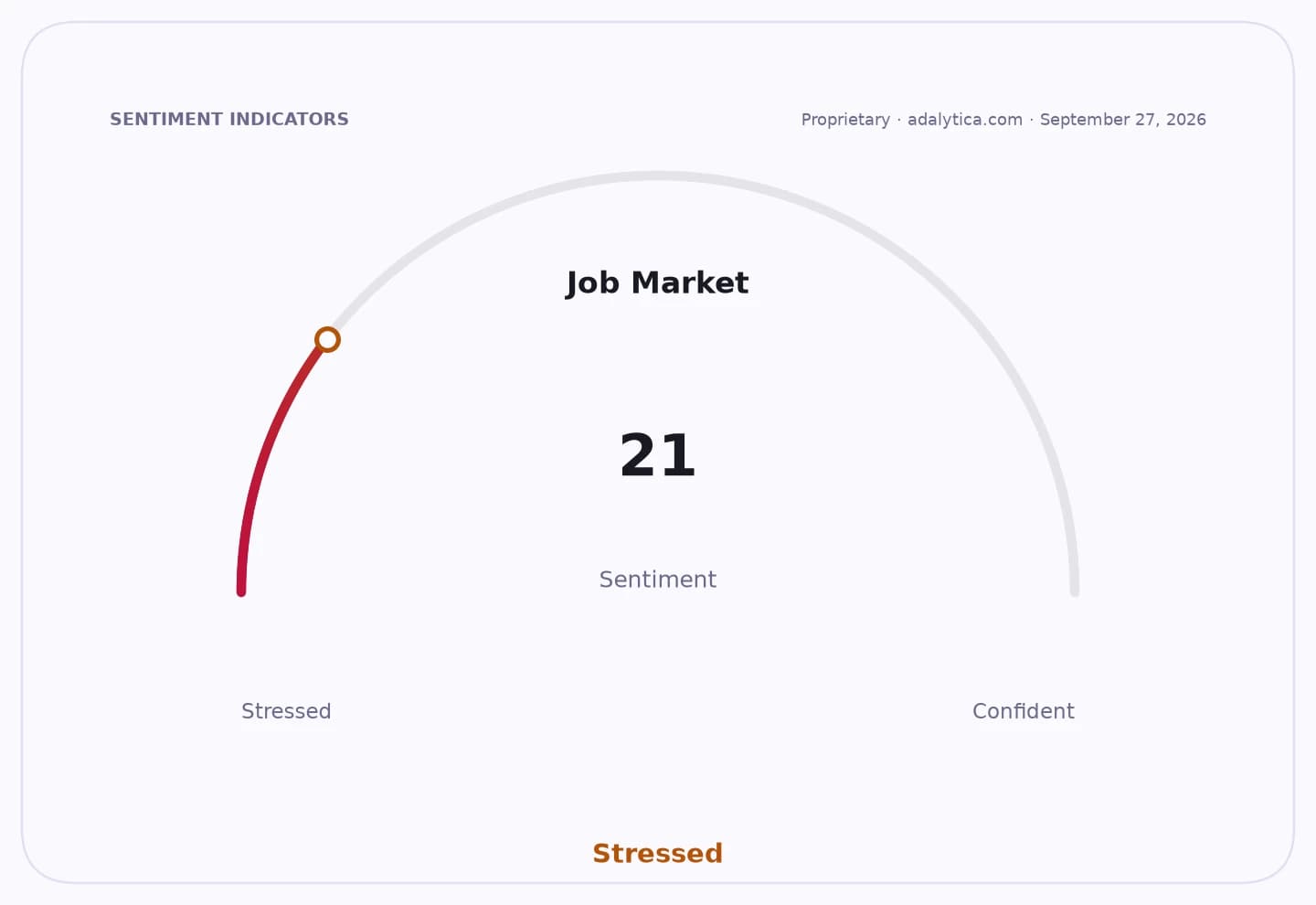
Sentiment IndicatorsⓘProprietary · adalytica.com · October 1, 2026
This is a snapshot — live sentiment, awareness and momentum for 130+ markets update continuously in the dashboard.Open AlphaPulse
For investors and lenders, that is the real story. Projects of this size rarely stall because the engineering is impossible; they stall because ownership rights, permitting and fragmented building governance make execution slow and expensive. Moldova’s approach is designed to reduce that friction by limiting the special servitude to the works themselves, requiring 10 days’ notice to owners and obliging contractors to document and repair damage. In other words, the state is trying to lower execution risk without fully overriding property rights.
The scale is meaningful. The Chisinau project covers 1,700 apartment blocks, while the Bălți project covers 296. Both are tied to external financing, including the European Bank for Reconstruction and Development and other international development partners, which makes legislative certainty even more important. Multilateral lenders want exactly this kind of predictable legal framework before committing capital to urban utility upgrades.
Economically, the payoff could be broader than warmer apartments. Better heat distribution can cut losses, reduce operating costs for utilities, and eventually limit pressure on public budgets that often end up absorbing the inefficiencies of aging infrastructure. For households, more modern systems can mean better reliability and potentially lower energy waste at a time when energy security remains a core concern across Eastern Europe.
There is also a political economy angle. Moldova is trying to modernize infrastructure while deepening ties with European institutions and external financiers. A cleaner legal path for utility works sends a signal that the country can still push through technically complex reforms, even where property rights and local consent would otherwise slow progress. That is the kind of governance improvement international investors watch closely, especially in markets where execution risk often matters more than the headline project size.
The bill still needs a second reading, so this is not a done deal. But if parliament finishes the job, Chisinau and Bălți could become a useful case study in how governments can unlock essential infrastructure by matching private property protections with a clearer public-interest mandate.
For long-term investors, the takeaway is simple: projects like this are not flashy, but they are the foundation of investable economies. When a state makes it easier to build, upgrade and finance core utilities, it improves the odds that capital gets deployed efficiently. That is worth watching.
| Entity | Gains | Losses |
|---|---|---|
| Moldovan government | ▲Faster infrastructure rollout | ▼Political risk if execution fails |
| Chisinau and Bălți residents | ▲Better heating reliability | ▼Temporary disruption from works |
| EBRD and other lenders | ▲Clearer project framework | ▼More exposure if reforms stall |
| Building owners | ▲Upgraded systems | ▼Less veto power over access |