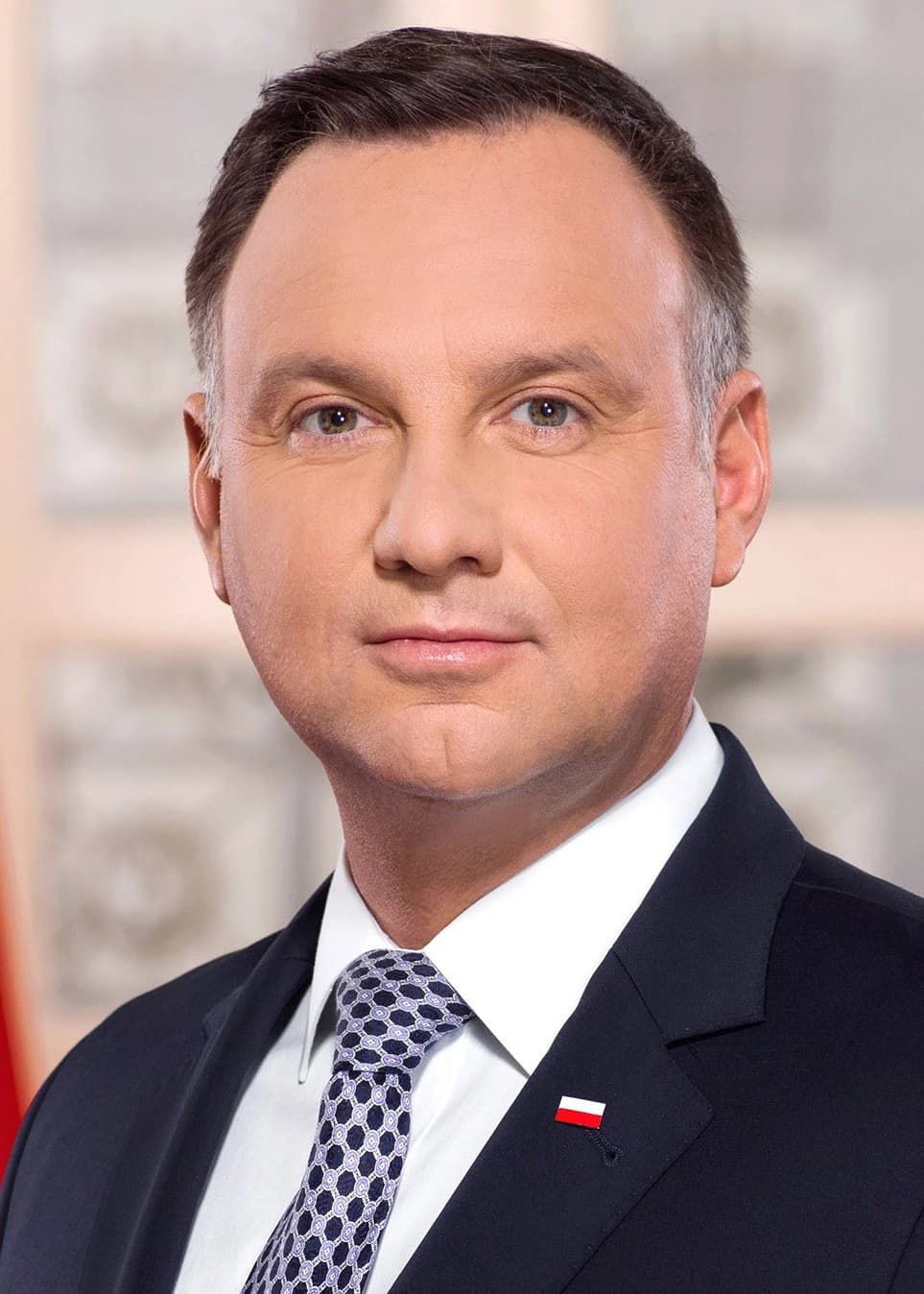
Veaceslav Platon has launched a civic platform aimed at defining a national idea and drafting a reform plan, adding a politically charged voice to Moldova’s broader push for institutional renewal and European integration.
Moldova's Platon Launches Civic Reform Platform
The move matters because Moldova’s reform debate is no longer just about slogans around sovereignty and independence. It is increasingly about whether the country can turn those themes into a workable program for justice, governance and economic resilience. That is what investors, donors and policymakers care about: a state that can enforce rules, protect property and reduce political uncertainty tends to attract more capital and support than one trapped in cyclical institutional drift.
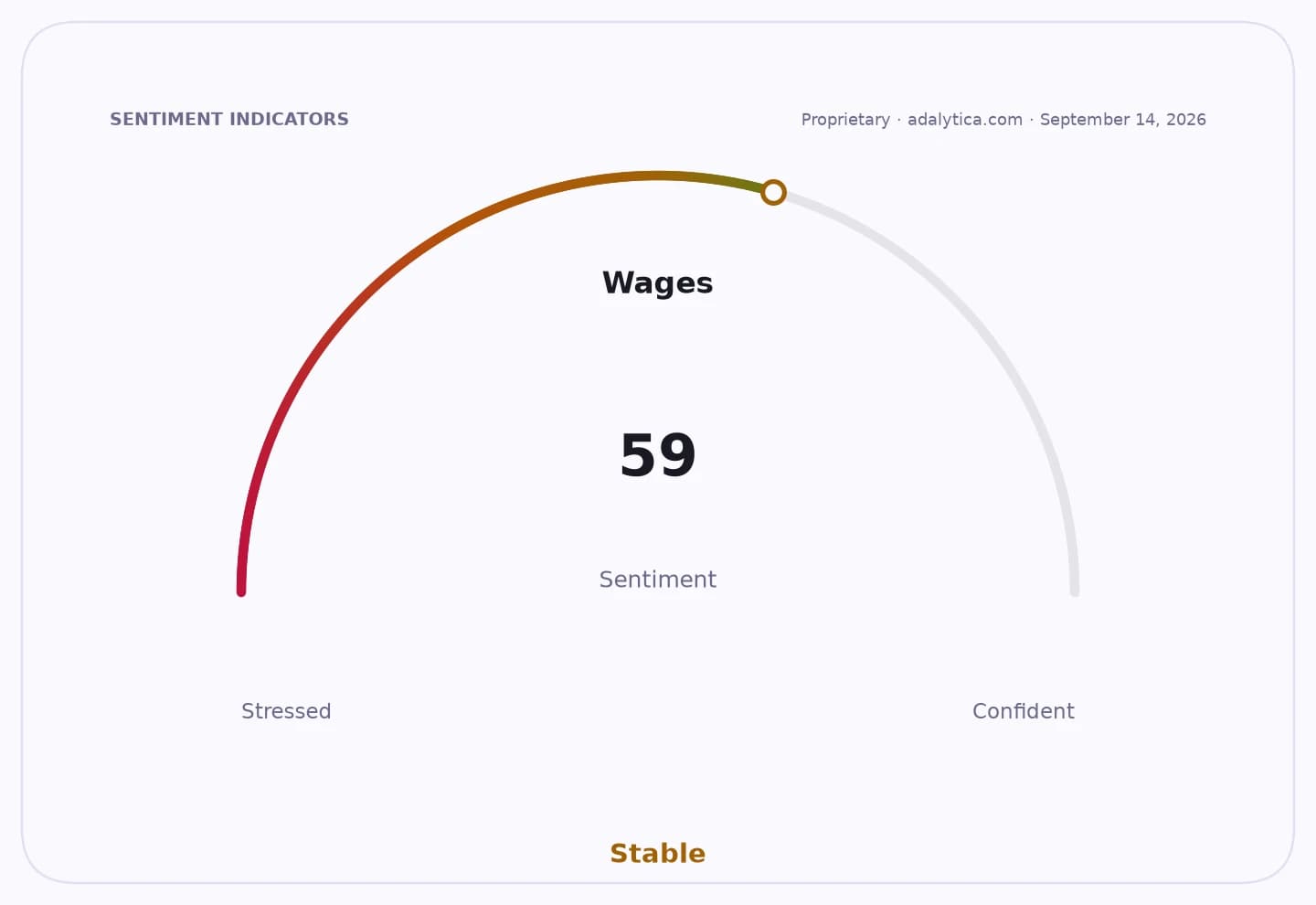
Sentiment IndicatorsⓘProprietary · adalytica.com · September 4, 2026
This is a snapshot — live sentiment, awareness and momentum for 130+ markets update continuously in the dashboard.Open AlphaPulse
The timing is notable. Moldova marked 35 years since independence with President Maia Sandu stressing national unity, democratic independence and the need to reorganize the justice system to uphold the rule of law and citizens’ rights. Sandu also highlighted support from Romania and awarded Ukrainian President Volodymyr Zelenskiy the country’s highest state honor, underscoring Moldova’s effort to anchor itself in a regional pro-European and pro-Ukrainian alignment while facing persistent security and governance pressures.
Platon’s platform fits into that same narrative, but with a different political weight. A civic initiative framed around a “national idea” and a reform plan can broaden the debate beyond the ruling camp, potentially giving reformist language a wider social base. It can also expose fault lines over who gets to define Moldova’s future: the presidency and governing institutions, opposition figures, business interests, civil society or a combination of all four.
For markets, the economic significance lies less in the platform itself than in what it says about the direction of policy. Moldova’s growth story depends heavily on outside financing, remittances, trade links with the European Union and confidence that reforms will endure beyond any one administration. A more coherent reform agenda, especially around justice and legal independence, would be positive for small businesses, foreign investors and lenders assessing country risk.
The domestic backdrop is still fragile. Political fragmentation and mistrust in institutions can slow investment and keep the currency and credit profile sensitive to shocks. By contrast, a credible reform narrative can support the zloty-adjacent regional risk tone and help Moldova’s assets, however limited, trade on lower risk premia. Adalytica’s Moldova-adjacent FX signals were not available directly in the data, but broader euro and zloty sentiment improved on the day, reflecting a modestly firmer regional risk backdrop.
Still, the political test is whether Platon’s platform becomes a serious policy vehicle or remains a symbolic intervention. The bull case is that it widens debate and pressures the political class to articulate measurable reforms. The bear case is that it adds another layer of factional competition in a system already strained by polarized politics and weak institutional trust.
For investors and policymakers, the key watchpoint is execution. If Moldova can convert the independence anniversary rhetoric into a durable justice and governance agenda, it would strengthen the country’s case for deeper European integration and lower economic risk. If not, the country’s reform story will remain aspirational rather than investable.
| Entity | Gains | Losses |
|---|---|---|
| Veaceslav Platon | ▲visibility and political leverage | ▼monopoly over reform narrative |
| Maia Sandu government | ▲reform agenda gains broader support | ▼control of message and agenda |
| Moldovan businesses | ▲prospect of legal clarity | ▼benefit from status quo uncertainty |
| Reform opponents | ▲opportunity to mobilize criticism | ▼pressure from pro-reform momentum |