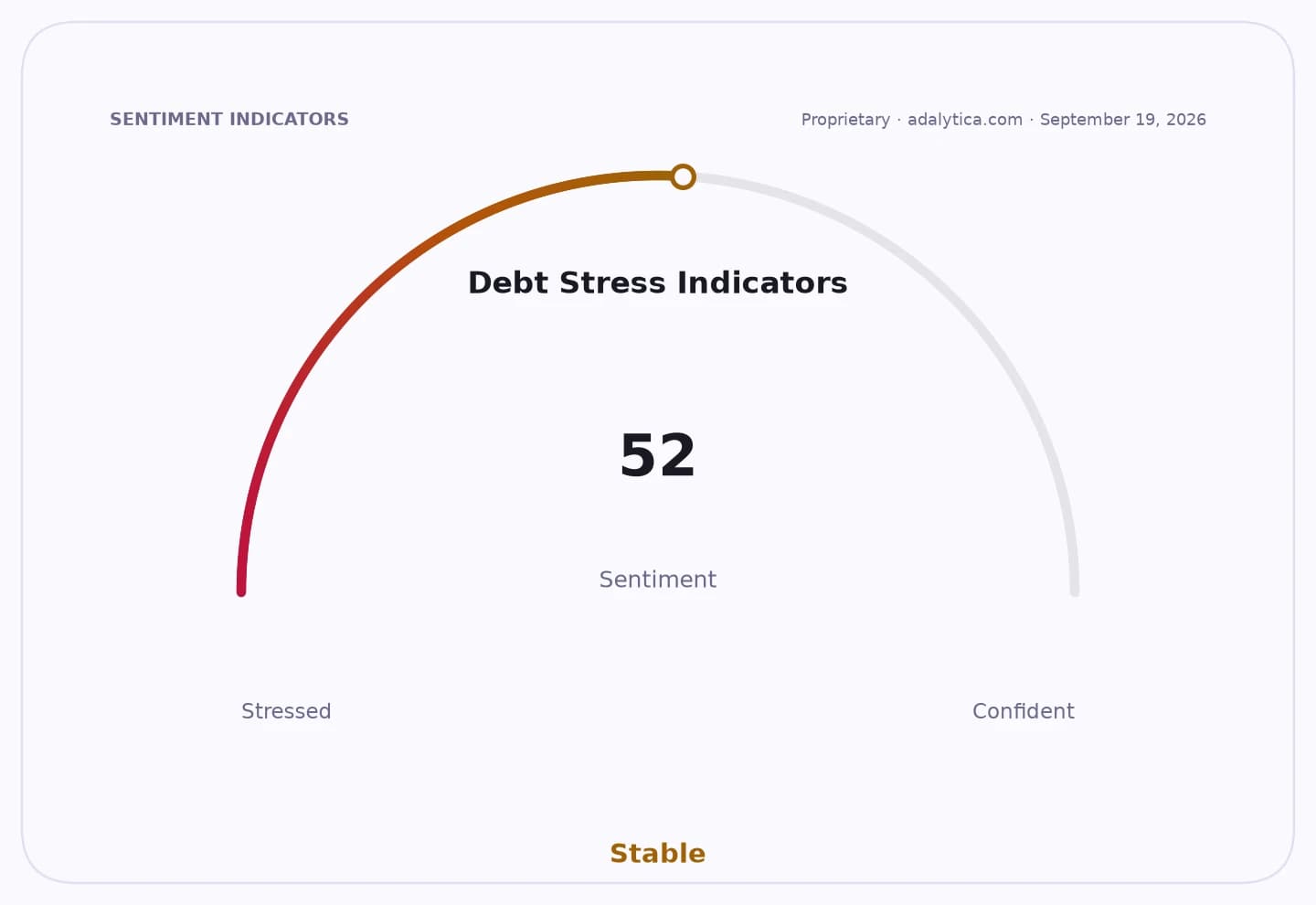
The Moldovan leu strengthened against the euro and the dollar at the start of the week, a sign that foreign-exchange pressures on the country’s currency are easing even as global markets remain volatile.
Moldovan leu strengthens against euro and dollar
The National Bank of Moldova’s reference rate put the euro at 20.0148 lei, down 2 bani from the previous session, while the US dollar slipped 4 bani to 17.2222 lei. Over the two days tracked, the leu also firmed against the Romanian leu and the Russian ruble, though it gave back a little ground versus the Ukrainian hryvnia.
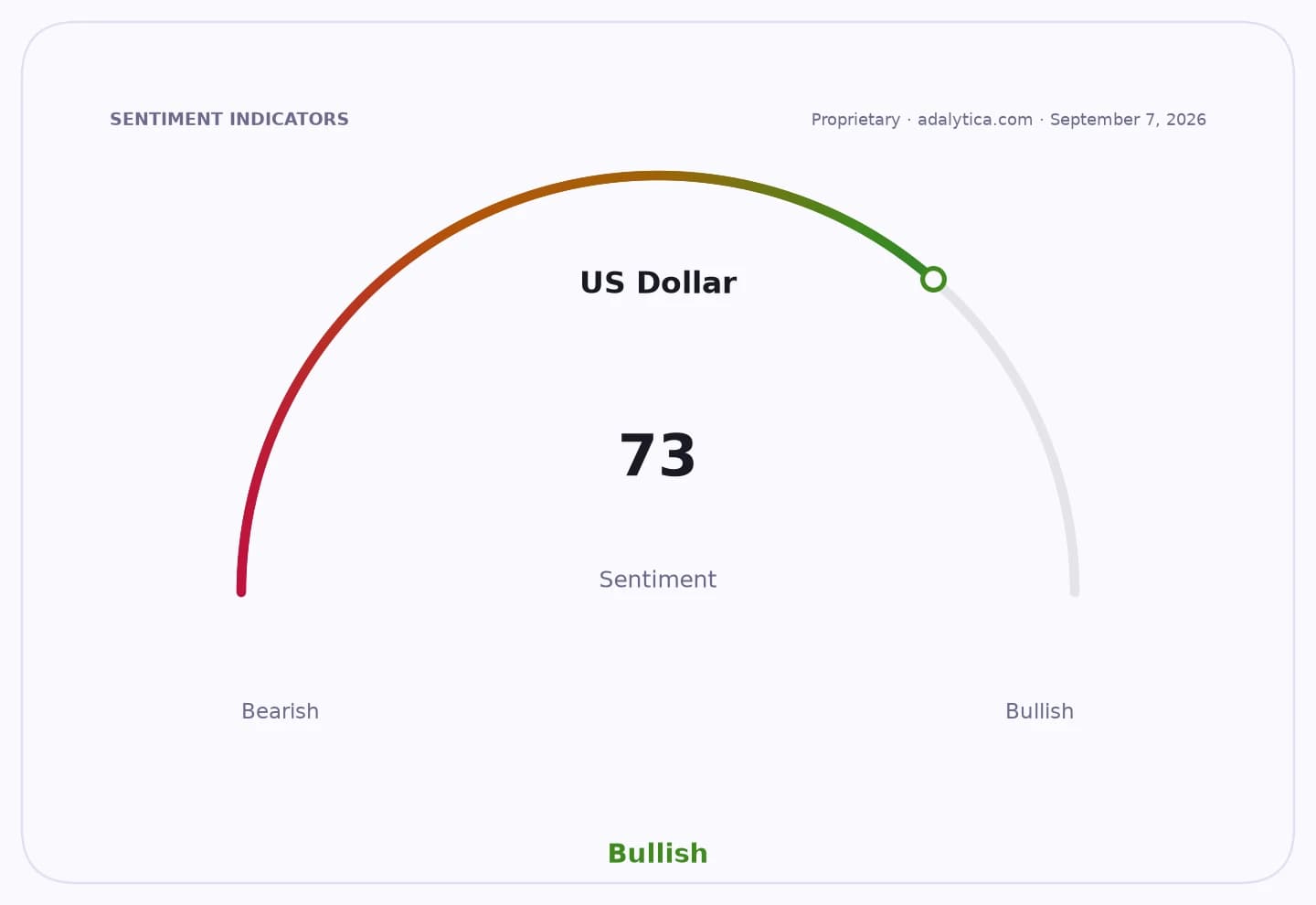
Sentiment IndicatorsⓘProprietary · adalytica.com · September 7, 2026
This is a snapshot — live sentiment, awareness and momentum for 130+ markets update continuously in the dashboard.Open AlphaPulse
For Moldova, the move matters less as a one-day trading headline than as a signal for imported inflation and financial conditions. A stronger leu makes euro- and dollar-denominated goods, energy inputs and debt servicing cheaper in local-currency terms, which can help cool price pressures that have been a persistent issue in smaller open economies. It also improves the balance sheet translation for firms and households with foreign-currency obligations.
The currency strength comes against a backdrop of broader FX volatility, with the euro-dollar pair itself still influenced by shifting expectations around the European Central Bank and the Federal Reserve, as well as geopolitical uncertainty in Europe. Recent market data show the euro has generally stabilized rather than surged, while the dollar has remained supported by safe-haven demand, making the leu’s short-term resilience notable in a regional context.
Technical readings on the euro via the FXE exchange-traded fund suggest the common currency has recovered from weaker levels but remains below its longer-term average, underscoring that Moldova’s currency move is more a local adjustment than a major shift in global FX trends. Adalytica’s euro and dollar trade signals also point to elevated but mixed positioning, with both currencies carrying “greed” readings rather than clear directional conviction.
The key question for investors and policymakers is whether the leu’s firmness can hold if external shocks return or if domestic demand for foreign currency picks up. If the trend persists, it would ease pressure on prices and the central bank; if it reverses, import costs and inflation expectations could quickly move back up.
| Entity | Gains | Losses |
|---|---|---|
| Moldovan consumers | ▲Lower import costs | ▼— |
| Moldovan importers | ▲Cheaper foreign purchases | ▼Exporters facing stronger leu |
| National Bank of Moldova | ▲Less FX pressure | ▼Less room to rely on depreciation support |
| Foreign-currency borrowers | ▲Lower debt servicing costs | ▼FX-linked lenders if repayment demand softens |