Mateusz Morawiecki’s plan to take his new “Rozwój Plus” movement across Poland is an early bid to rebuild a political brand around growth, investment and local government ahead of the next election cycle, while pressing the case that the opposition cannot match his economic record.
Morawiecki launches Rozwój Plus across Poland
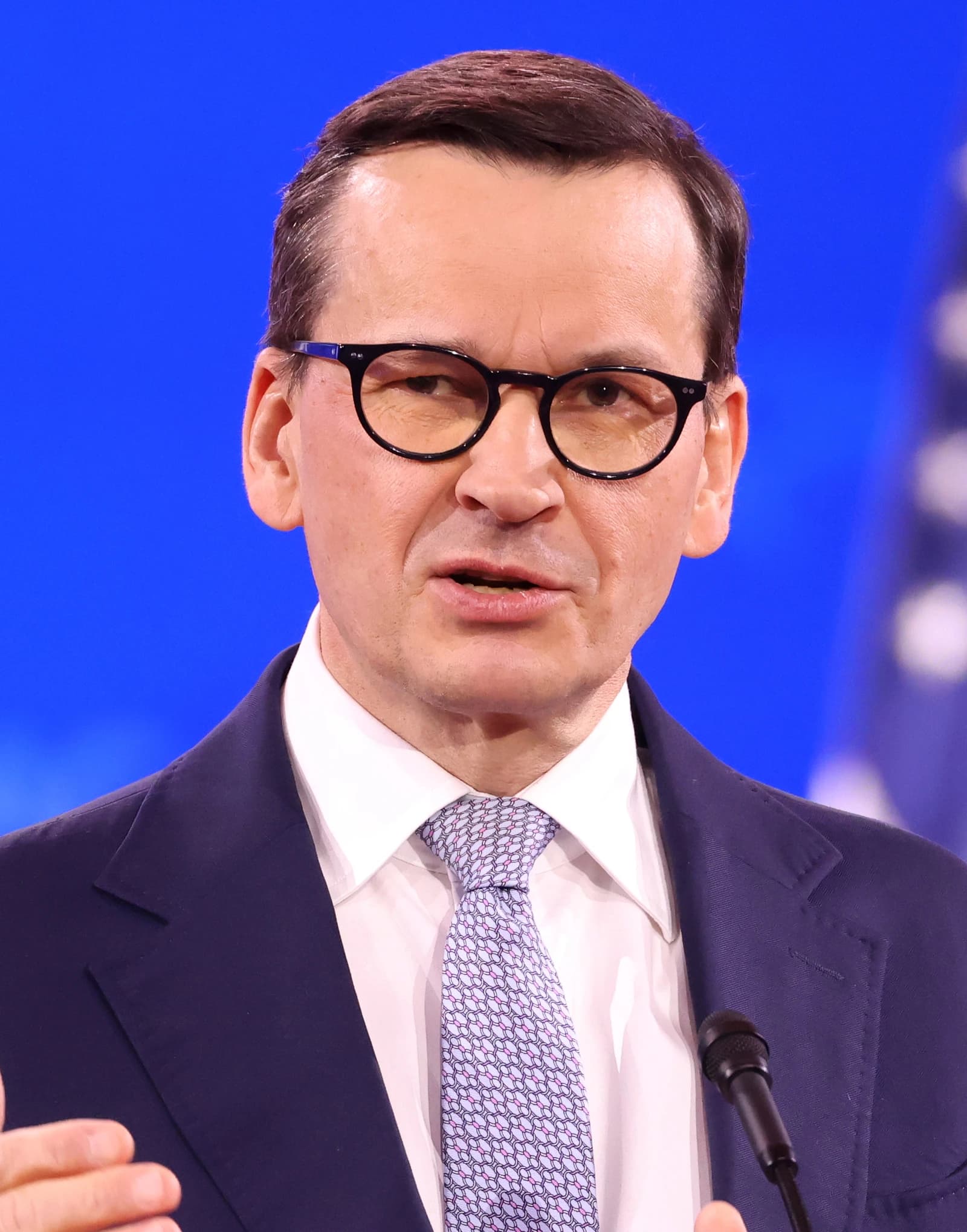
The former prime minister said the initiative will hold nearly 400 meetings in cities and small municipalities, with a programme focused on “development or collapse,” and he added that Sieradz mayor Paweł Osiewała is joining the group. For Morawiecki, the immediate economic relevance is not policy execution but political positioning: he is trying to frame himself as the architect of a future investment agenda after years in which his party’s record has come under pressure from Donald Tusk’s government and from fractures inside the right.
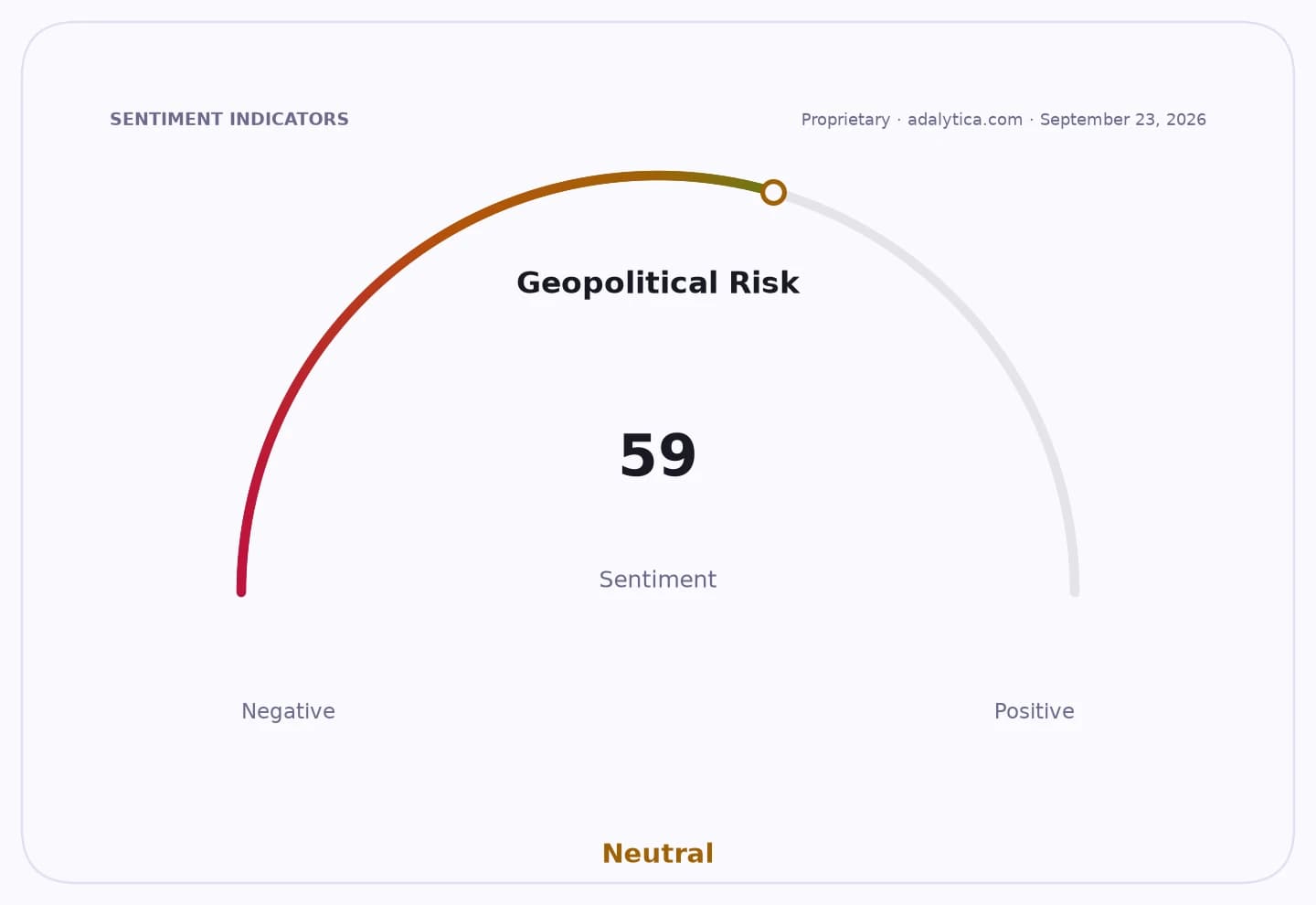
Sentiment IndicatorsⓘProprietary · adalytica.com · September 6, 2026
This is a snapshot — live sentiment, awareness and momentum for 130+ markets update continuously in the dashboard.Open AlphaPulse
That matters for markets because Poland remains one of the region’s key growth economies and a major recipient of investor capital tied to infrastructure, industrial expansion and EU funding. Any credible return of the former ruling camp to the economic debate would be watched for clues on fiscal stance, local-government spending priorities and the state’s role in steering capital. The timing also comes as traders are sensitive to broader European fiscal and growth questions, with investor sentiment on the euro firming and Poland-linked risk appetite still influenced by security concerns in the east.
Morawiecki is leaning on a classic PiS-era message: heavy emphasis on state-led development, regional investment and a defence of the eight years his bloc was in power. In his letter to members, he called Rozwój Plus a “real alternative” to what he described as poor governance under Tusk and said he would not allow his administration’s record to be diminished. That suggests the movement is as much about reclaiming authorship of the economic narrative as it is about building an organisational structure.
The pitch also targets a politically important constituency: medium-sized cities and smaller municipalities that often feel left behind by capital-city politics. By bringing in a city mayor and promising a separate programme for mid-sized towns, Morawiecki is signalling he wants to turn local investment grievances into a broader national platform. If the effort gains traction, it could strengthen PiS’s hand in future coalition negotiations and in debates over EU-linked spending, public investment and regional development policy.
For investors, the key question is whether Rozwój Plus remains a branding exercise or evolves into a serious policy vehicle capable of shaping the 2027 election debate. A stronger Morawiecki comeback would raise the odds of a more interventionist economic agenda and a sharper political fight over fiscal priorities. For now, the move mainly shows that Poland’s opposition landscape is still fluid, and that the country’s next investment narrative may be written as much in local town halls as in Warsaw.
| Entity | Gains | Losses |
|---|---|---|
| Morawiecki / Rozwój Plus | ▲Political momentum | ▼Policy credibility risk |
| PiS / right-wing camp | ▲Rebuilt economic message | ▼Internal division exposed |
| Local mayors / mid-sized cities | ▲More investment focus | ▼Central politics stays uncertain |
| Investors in Poland | ▲Clearer election read-through | ▼Higher policy volatility |