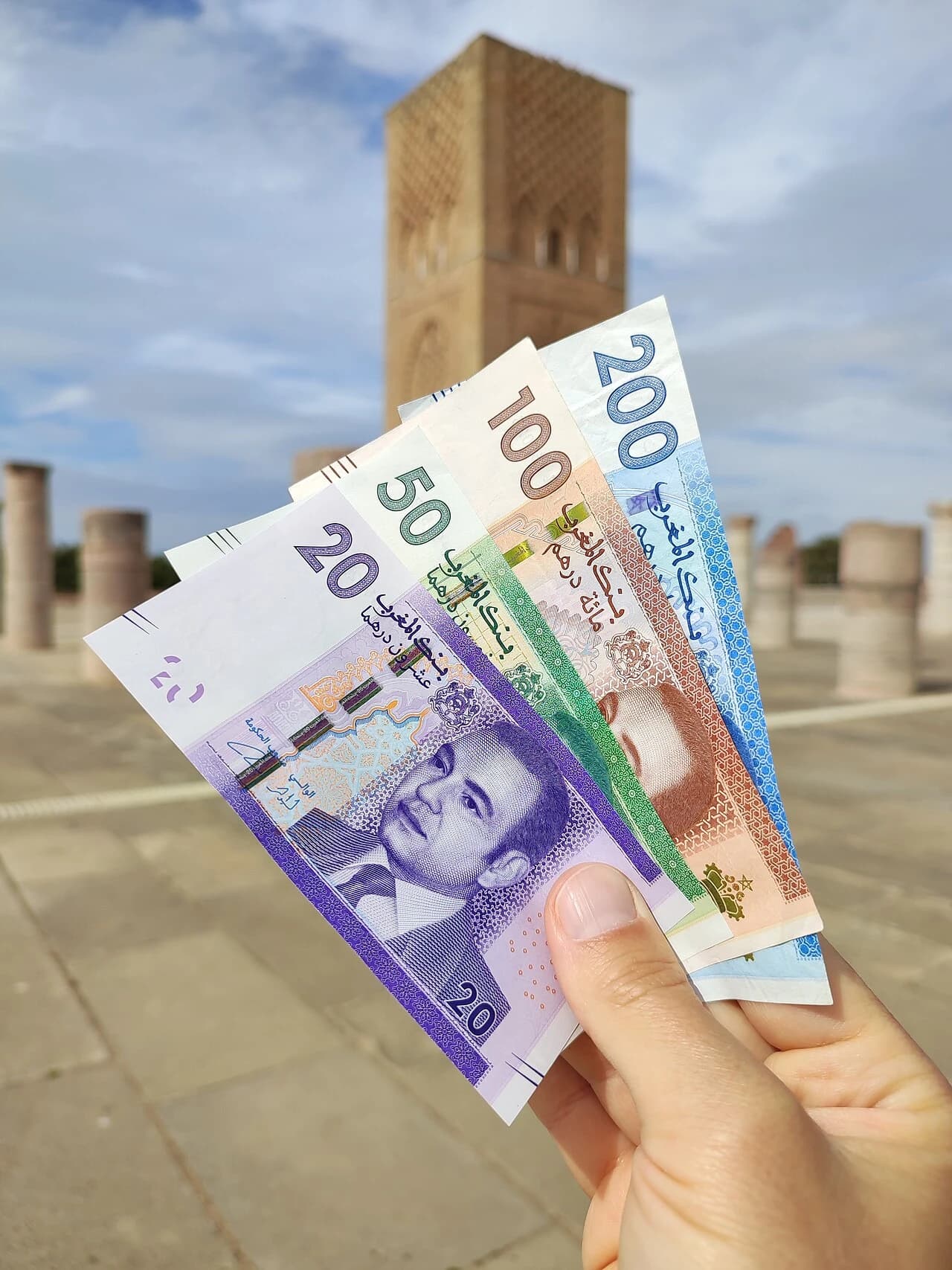
Morocco’s budget deficit narrowed slightly to MAD 58.6 billion at the end of August, a sign that stronger receipts and a better balance in special treasury accounts are helping offset rising spending pressures on debt service, compensation and investment.
Morocco budget deficit narrows to MAD 58.6 billion
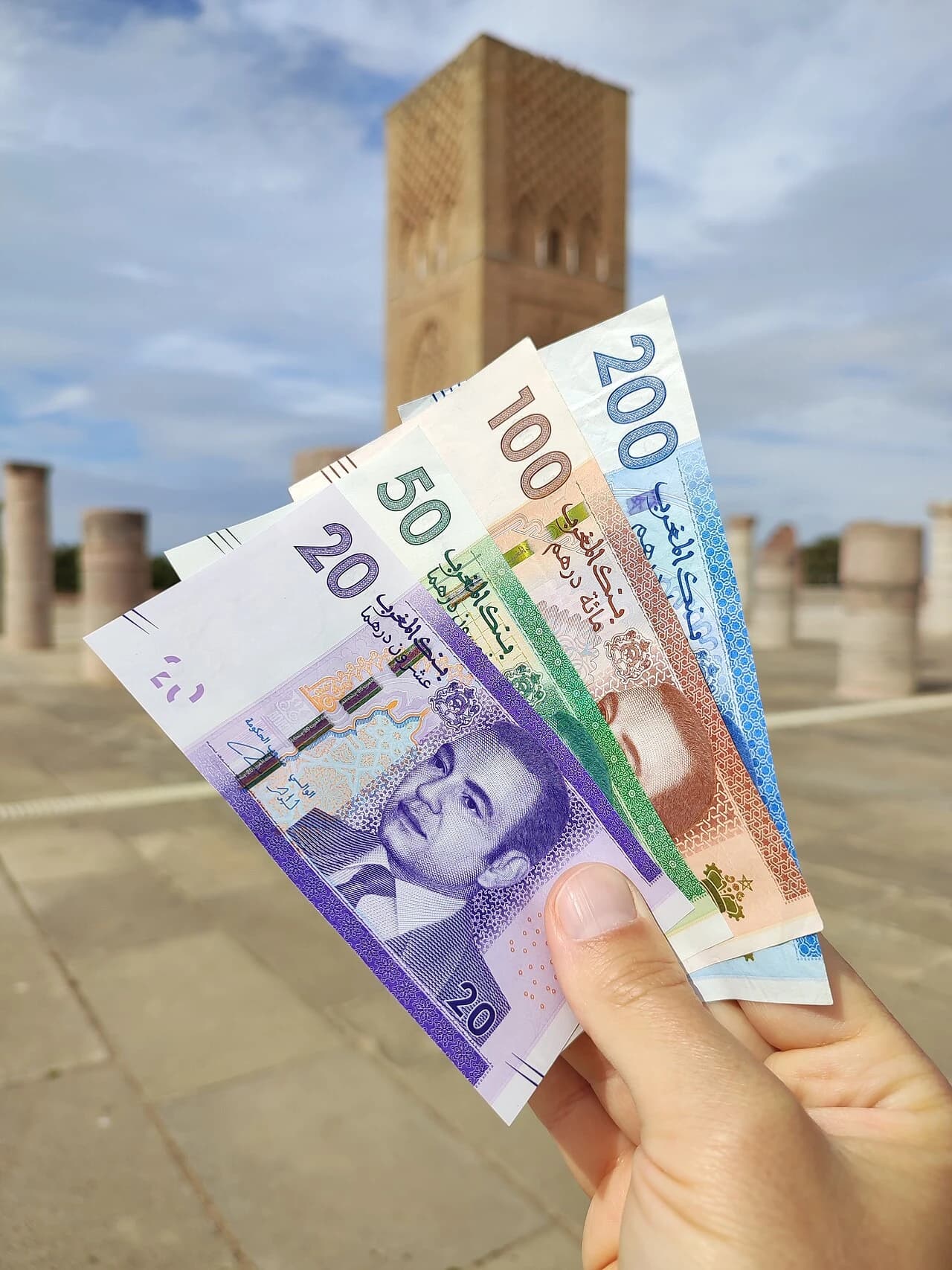
The improvement is modest — the shortfall was MAD 59.5 billion a year earlier — but it matters because it shows the fiscal stance is holding up even as the state expands ordinary expenditure and capital spending. For investors, the key question is whether higher revenue growth can continue to absorb the cost of a larger public sector without forcing heavier borrowing later in the year.
Sentiment IndicatorsⓘProprietary · adalytica.com · September 27, 2026
This is a snapshot — live sentiment, awareness and momentum for 130+ markets update continuously in the dashboard.Open AlphaPulse
The Finance Ministry said revenues rose by MAD 25.5 billion, more than the MAD 24.6 billion increase in spending. Net receipts reached about MAD 280.4 billion, representing 64.8% of full-year budget forecasts, while tax revenue climbed 10.3% to more than MAD 247.5 billion. Non-tax revenue added MAD 29.5 billion, including MAD 11.7 billion from public institutions and state-owned entities, with transfers from Bank Al-Maghrib, the land registry and OCP among the main contributors.
That revenue mix is important. Morocco is benefiting not only from steadier tax collection, but also from one-off and quasi-structural sources tied to public entities and innovative financing mechanisms. The upside is that these flows support the deficit in the near term. The downside is that they are not always as durable as broad-based tax growth, which means the pace of fiscal consolidation still depends on underlying economic activity and compliance.
Spending remains the main drag. Ordinary expenditure increased to MAD 268.2 billion, up 26.2 billion from a year earlier, with gains in goods and services, interest costs and compensation. Investment spending rose 11.4% to MAD 75.7 billion, keeping pressure on the budget but also reflecting the state’s commitment to infrastructure and development programs. The ordinary budget still posted a surplus of MAD 12.2 billion, though that was narrower than a year earlier.
A more favorable contribution from treasury special accounts helped the overall picture. Those accounts posted a MAD 4.9 billion surplus, reversing a MAD 4.5 billion deficit a year earlier. That swing reduced the overall financing burden and helped keep the headline deficit from widening despite heavier outlays.
For bond investors, the report points to a fiscal path that is not deteriorating sharply, but is also not yet delivering a decisive consolidation story. Interest costs are already rising, and if spending growth continues to outpace the structural tax base, financing needs could remain elevated into the next budget cycle. That makes the government’s ability to sustain revenue momentum and contain current spending more important than the small year-on-year improvement in the headline deficit suggests.
The broader narrative is that Morocco is still financing development while trying to preserve budget discipline. The August figures are supportive rather than transformative: they suggest fiscal management remains stable, but the margin for slippage is limited if growth weakens or if compensation and debt-service costs keep climbing.
| Entity | Gains | Losses |
|---|---|---|
| Moroccan Treasury | ▲Slightly lower deficit | ▼Need for higher borrowing |
| Investors in Moroccan debt | ▲Better fiscal signal | ▼Less room for fiscal slippage |
| Public sector beneficiaries | ▲Continued spending support | ▼Pressure for restraint |
| Tax authorities / state revenue collectors | ▲Stronger receipts | ▼Reliance on non-tax flows |