Mortgage borrowers are moving away from fixed rates even as the cost of a 30-year loan sits close to 4.5%, a sign that higher-for-longer financing is still reshaping housing demand, lender economics and the trade in home-related stocks.
Mortgage Borrowers Shift Away From Fixed Rates
That matters because mortgage pricing is still the transmission channel that decides whether households buy, refinance or stay put. A rate near 4.5% is far below the 6.65% average on the U.S. 30-year fixed mortgage that Freddie Mac reported in mid-August, but it is still high enough to keep affordability tight and suppress turnover. The result is a housing market with fewer transactions, weaker refinance activity and a growing divide between borrowers who can lock in and those forced to accept floating exposure.
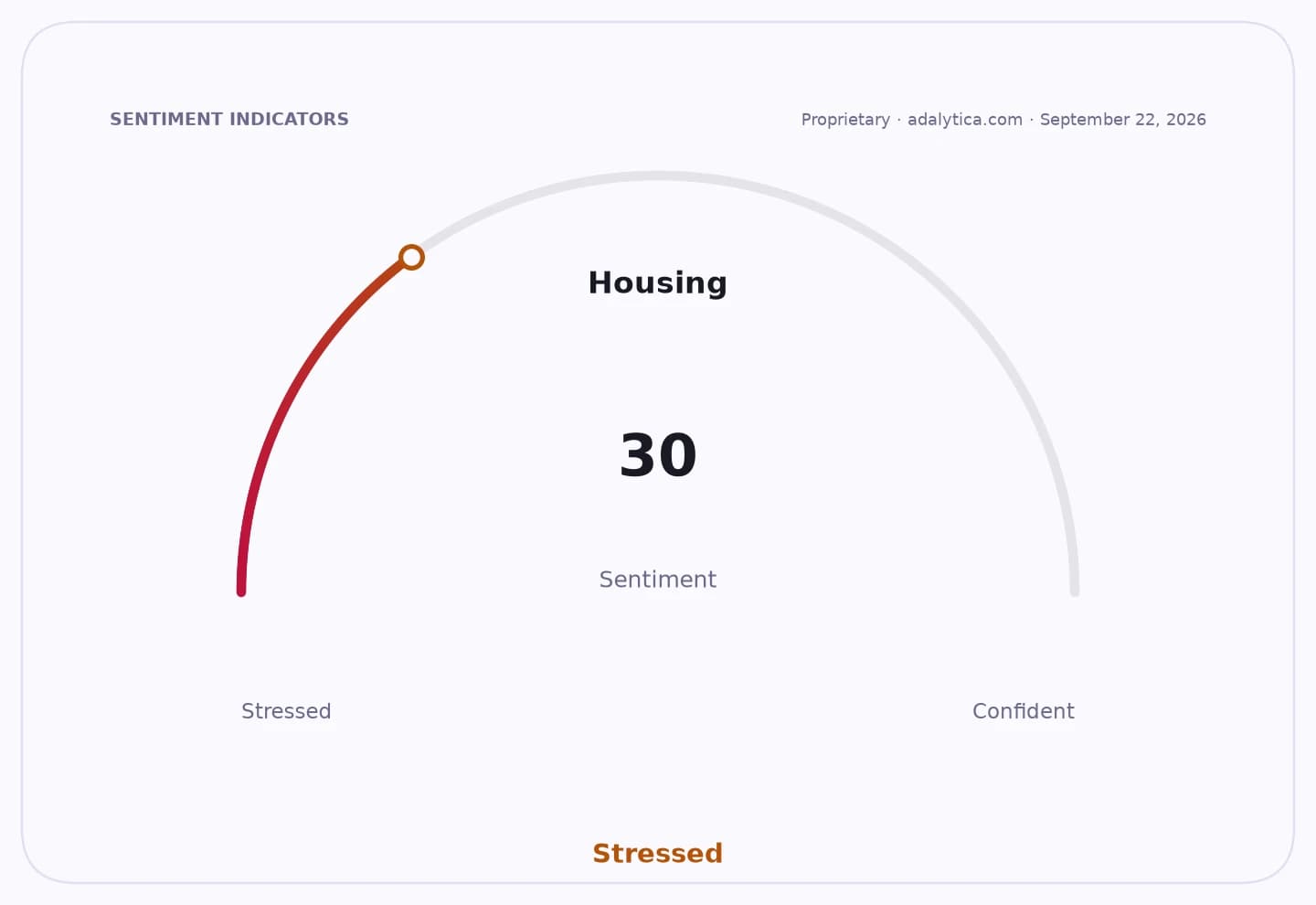
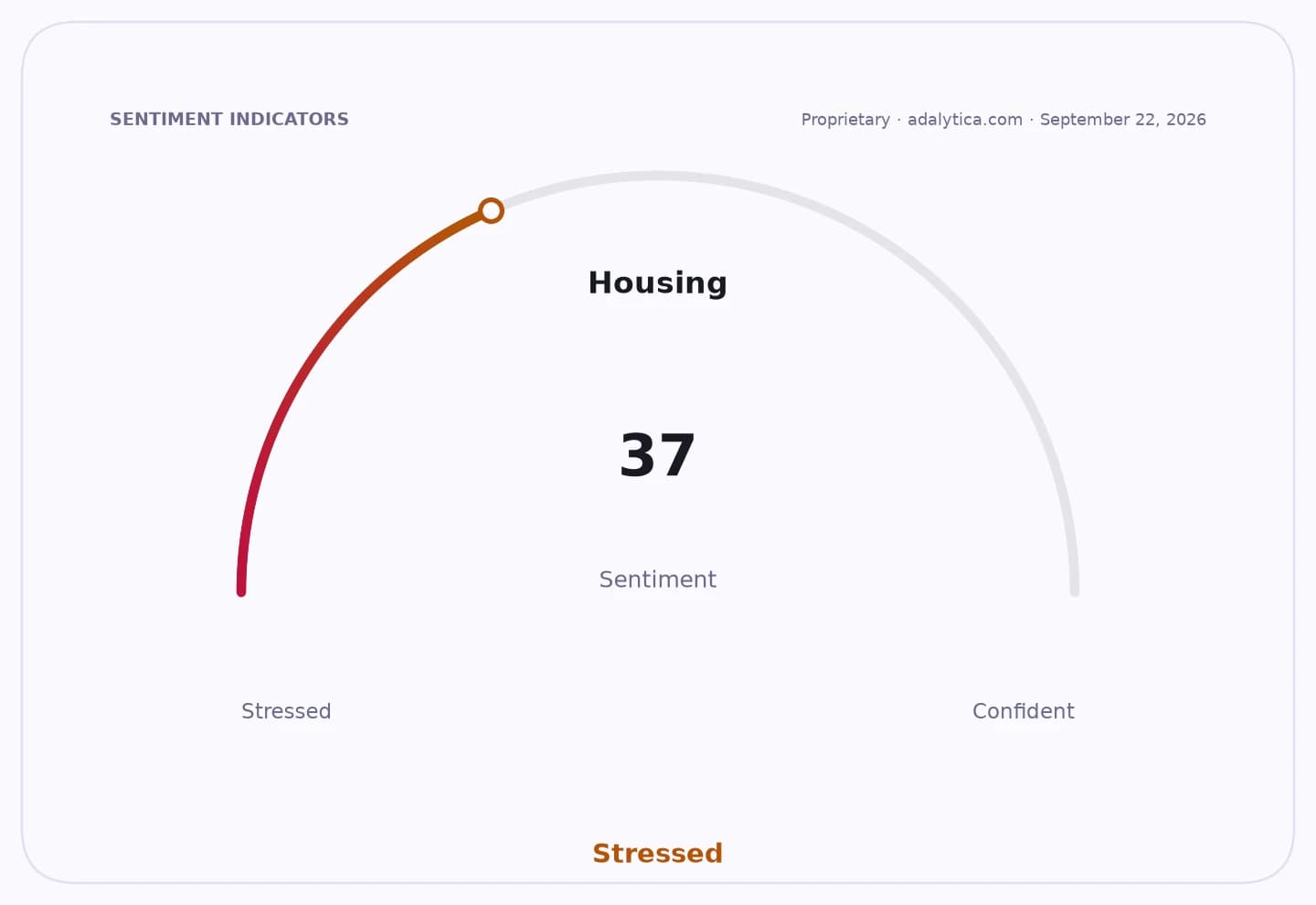
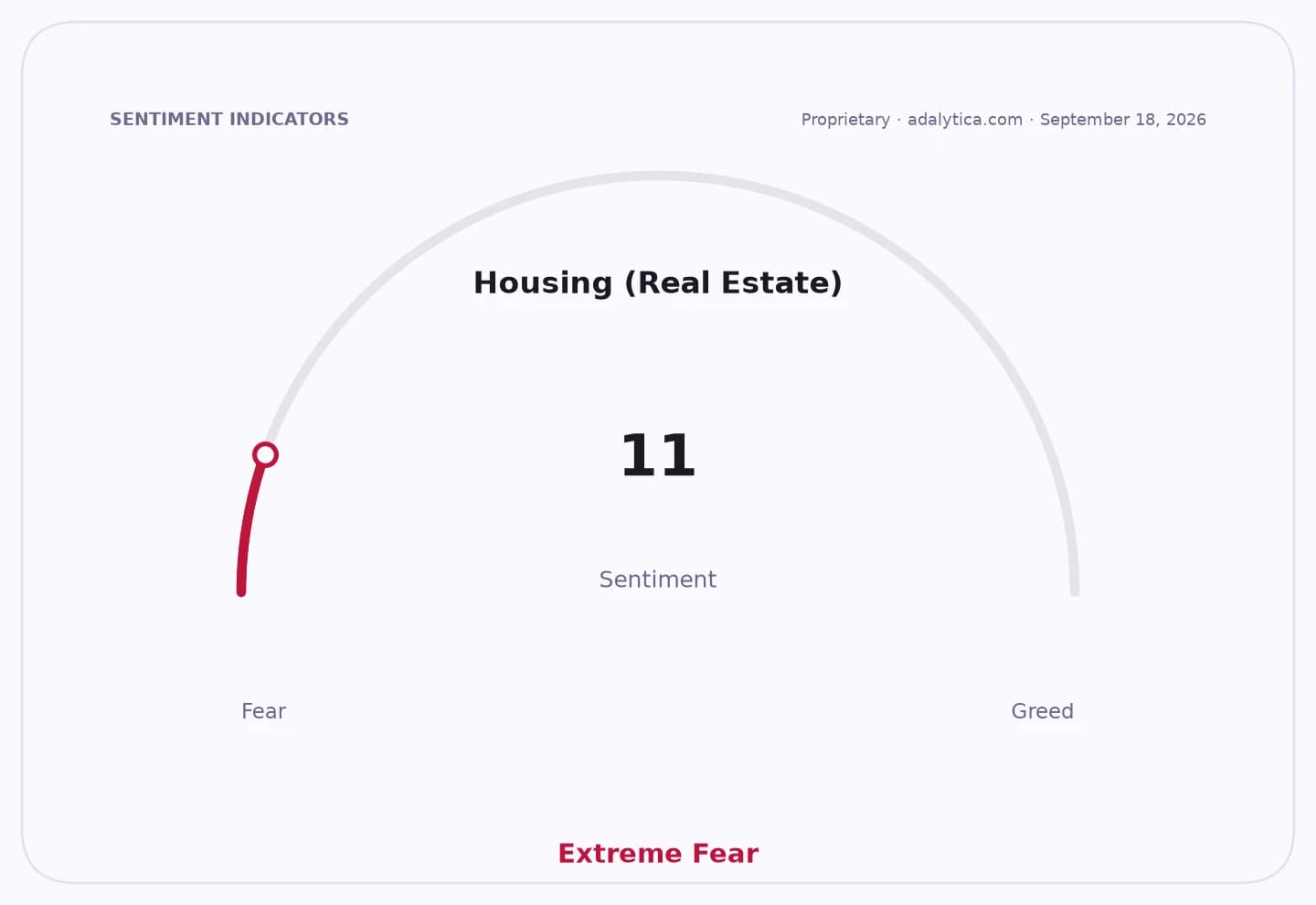
Sentiment IndicatorsⓘProprietary · adalytica.com · August 26, 2026
This is a snapshot — live sentiment, awareness and momentum for 130+ markets update continuously in the dashboard.Open AlphaPulse
The broader macro backdrop is reinforcing that pressure. The 10-year Treasury yield is hovering around 4.7%, keeping the benchmark that feeds mortgage pricing elevated. New-home sales remain volatile, with the latest monthly reading down to 1,239,000 in July from 1,415,000 in June, and the forecast for August points lower again. In plain terms, financing costs are still doing what rate hikes are supposed to do: slow housing activity and cool credit demand.
For investors, the shift is less about one mortgage print than about who wins and who gets squeezed as the market adapts. Lenders and mortgage servicers can benefit from higher loan balances and, in some cases, better servicing economics, but originators remain hostage to low transaction volumes. That tension is visible in the stocks. Rocket Companies has been grinding around the mid-teens after a brutal selloff earlier this year, while Zillow has been far weaker, reflecting how sensitive its business is to the scarcity of home sales. Annaly Capital Management has held up better, helped by the prospect of stable spreads and a maturing rate environment, but even mortgage REITs live and die by the shape of rates and prepayment behavior.
The key investable point is that a market built on cheap, fixed-rate debt is being replaced by one where rate structure itself matters again. As the share of fixed loans falls, borrowers take more interest-rate risk, prepayment patterns change and capital starts favoring businesses that make money from financing friction rather than from turnover. That is why mortgage-related equities have become a stock-picker’s market, not a simple bet on lower rates.
The next catalyst is whether Treasury yields break meaningfully lower or stay pinned near current levels. If they fall, refinance activity can revive fast and highly leveraged housing names could rerate just as quickly. If they do not, the current environment favors servicers, lenders with disciplined hedging and the infrastructure around housing rather than the transaction-dependent platforms that need a volume rebound to justify their valuations.
| Entity | Gains | Losses |
|---|---|---|
| Mortgage servicers | ▲more stable fee income | ▼lower refinance churn |
| Mortgage originators | ▲higher loan balances | ▼weak transaction volume |
| Homebuyers with variable rates | ▲lower upfront pricing | ▼more rate risk |
| Zillow, Rocket and housing brokers | ▲selective rebound if rates fall | ▼sluggish housing turnover |