Mortgage costs are climbing back toward 7%, and that is forcing banks to bombard homebuyers with competing offers as lenders fight for a shrinking pool of qualified borrowers.
Mortgage Rates Near 7% Pressure Banks and Housing

The increase matters because it raises the monthly cost of homeownership at a time when affordability is already stretched, slowing transaction volumes and pressuring an housing market that has been fragile for months. It also changes the economics for banks: when mortgage demand weakens, lenders lean harder on pricing, discounts and product bundles to protect origination volumes, even if that squeezes margins.
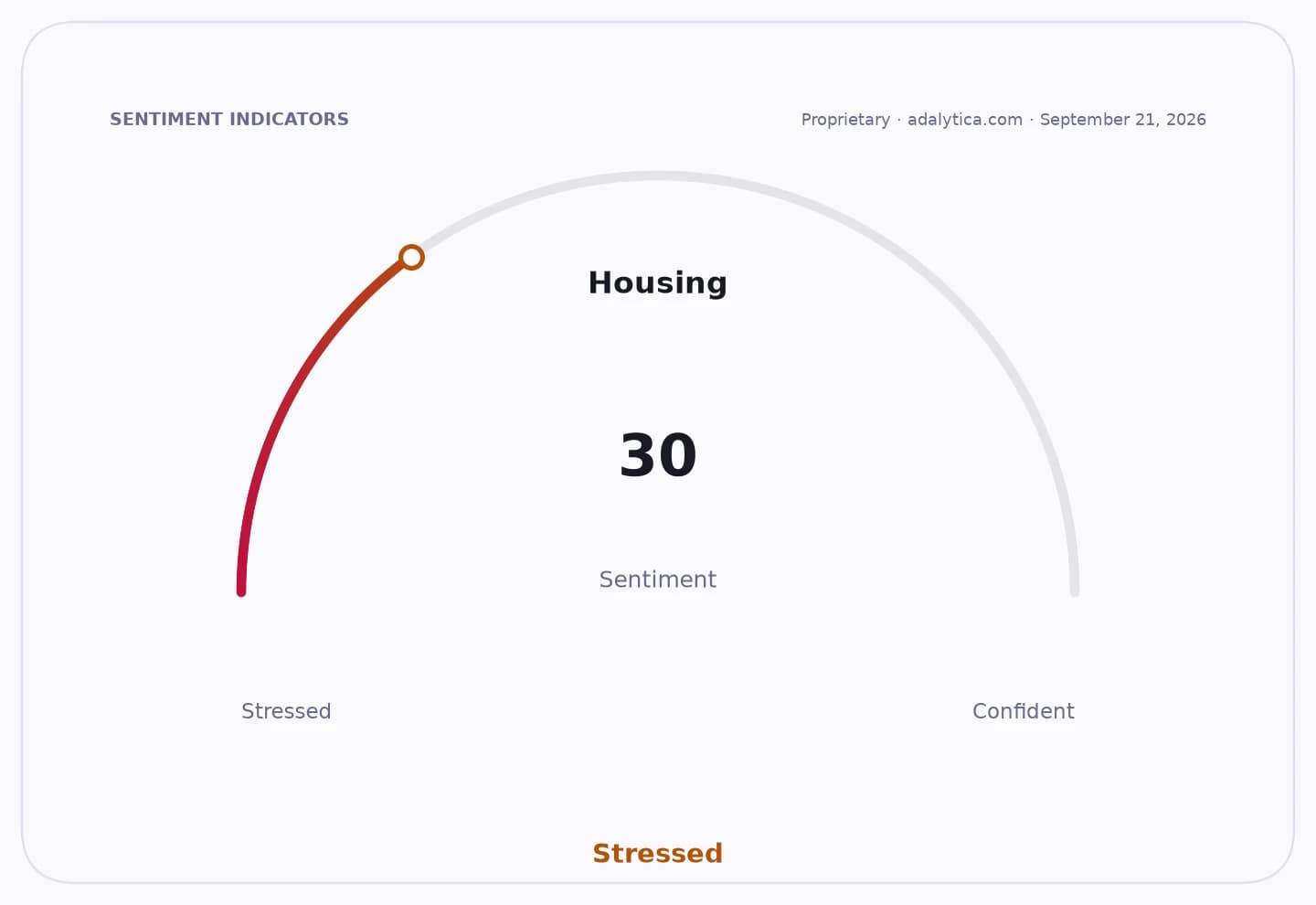
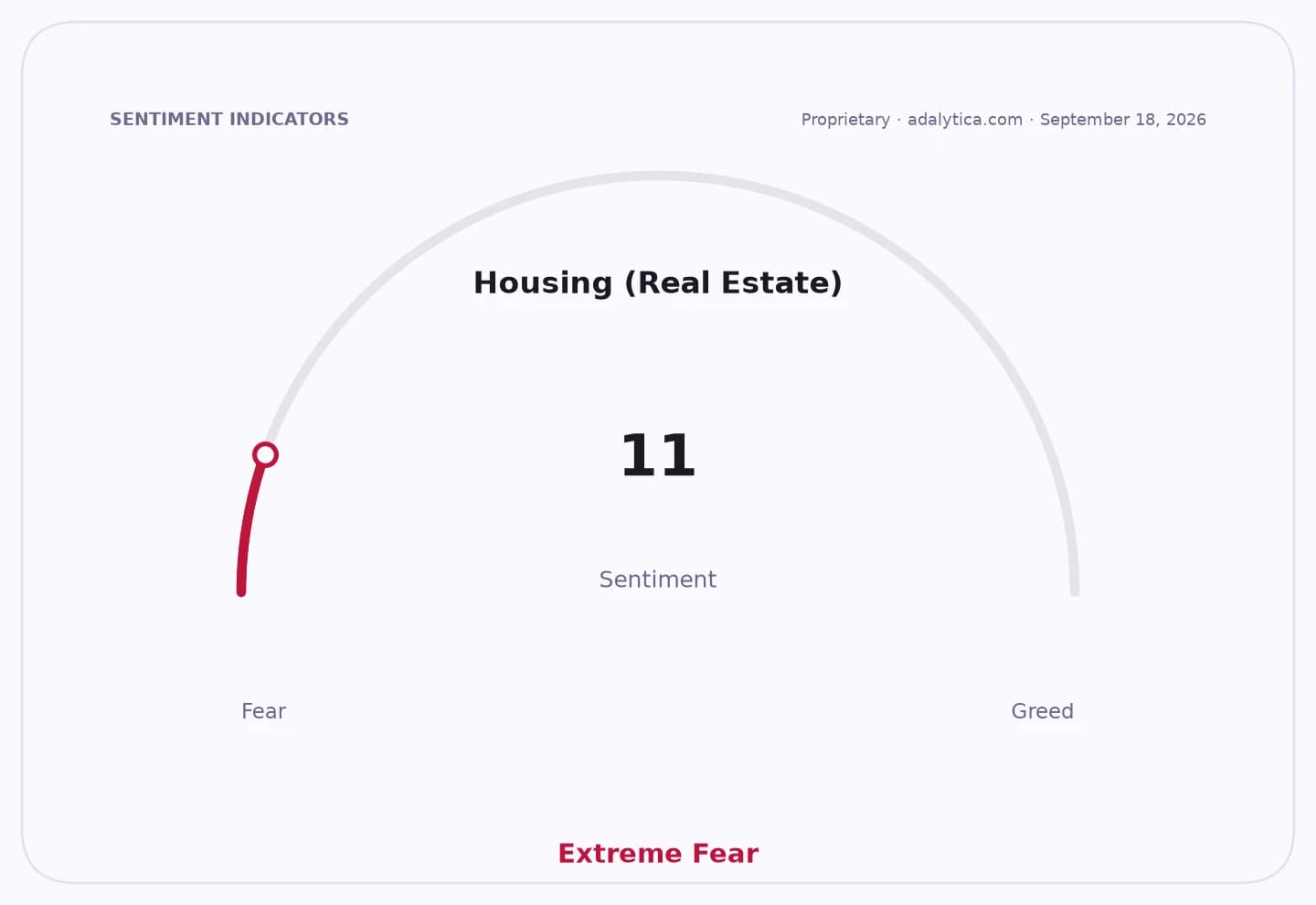
Sentiment IndicatorsⓘProprietary · adalytica.com · September 19, 2026
This is a snapshot — live sentiment, awareness and momentum for 130+ markets update continuously in the dashboard.Open AlphaPulse

The average 30-year US mortgage rate rose to 6.95% on Sept. 17, according to the latest available data, the highest in more than 19 months and up from 6.71% at the start of the month. That move tracks a broader rise in funding costs, with the 10-year Treasury yield at 4.976% in the latest forecast and near 5% recently, underscoring how quickly capital markets have repriced the cost of long-term borrowing.
For homebuyers, the arithmetic is stark. A rate near 7% can add hundreds of dollars a month versus the ultra-low rates that defined the pandemic era, reducing the number of households that can afford a given home price. That tends to dampen demand, lengthen time on market and weaken sellers’ pricing power. Banks are responding by making more offers because they need to win business in a market where borrowers are more price-sensitive and likely to shop around.

The pressure is visible in bank stocks as well. The Financial Select Sector SPDR Fund, XLF, has pulled back to 55.86, below its 50-day moving average of 57.18, while the SPDR S&P Regional Banking ETF, KRE, has slipped to 72.75, also below its 50-day average of 75.37. The moves suggest investors are not just weighing the impact of slower mortgage demand on lenders, but also the possibility that rate volatility could make mortgage banking income less predictable across the sector.
That cuts both ways for banks. Large lenders can use scale to price aggressively and capture market share, while mortgage originators and servicing-heavy franchises may benefit if refinancing, purchase activity or hedging income improves. But the bear case is that elevated rates keep origination volumes subdued and force lenders into a race to the bottom on pricing, reducing profitability even as they push harder to close deals.
The wider backdrop is that rising mortgage rates are part of a global tightening in housing finance, with banks in several markets also lifting mortgage and deposit rates as funding costs rise. For investors, the key question is whether this is a temporary repricing or the start of a longer period of structurally higher mortgage costs, which would keep pressure on housing turnover, bank loan growth and the earnings outlook for mortgage lenders.
| Entity | Gains | Losses |
|---|---|---|
| Banks with scale | ▲More borrower traffic | ▼Lower pricing power |
| Homebuyers | ▲More rate-shopping offers | ▼Higher monthly payments |
| Home sellers | ▲Faster deal signaling | ▼Weaker affordability-driven demand |
| Mortgage lenders | ▲Potential market share gains | ▼Squeezed origination margins |