Homeowners are facing a sharper squeeze from mortgage escrow rule changes at a time when borrowing costs remain elevated and housing affordability is already strained.
Mortgage escrow rule changes raise homeowner costs
The pressure matters because higher escrow payments can quickly lift monthly housing costs even when the underlying loan rate does not change, forcing borrowers to set aside more for taxes and insurance and leaving less room in household budgets. That makes the policy shift economically significant well beyond the mortgage industry, feeding into consumer spending, delinquency risk and housing turnover.
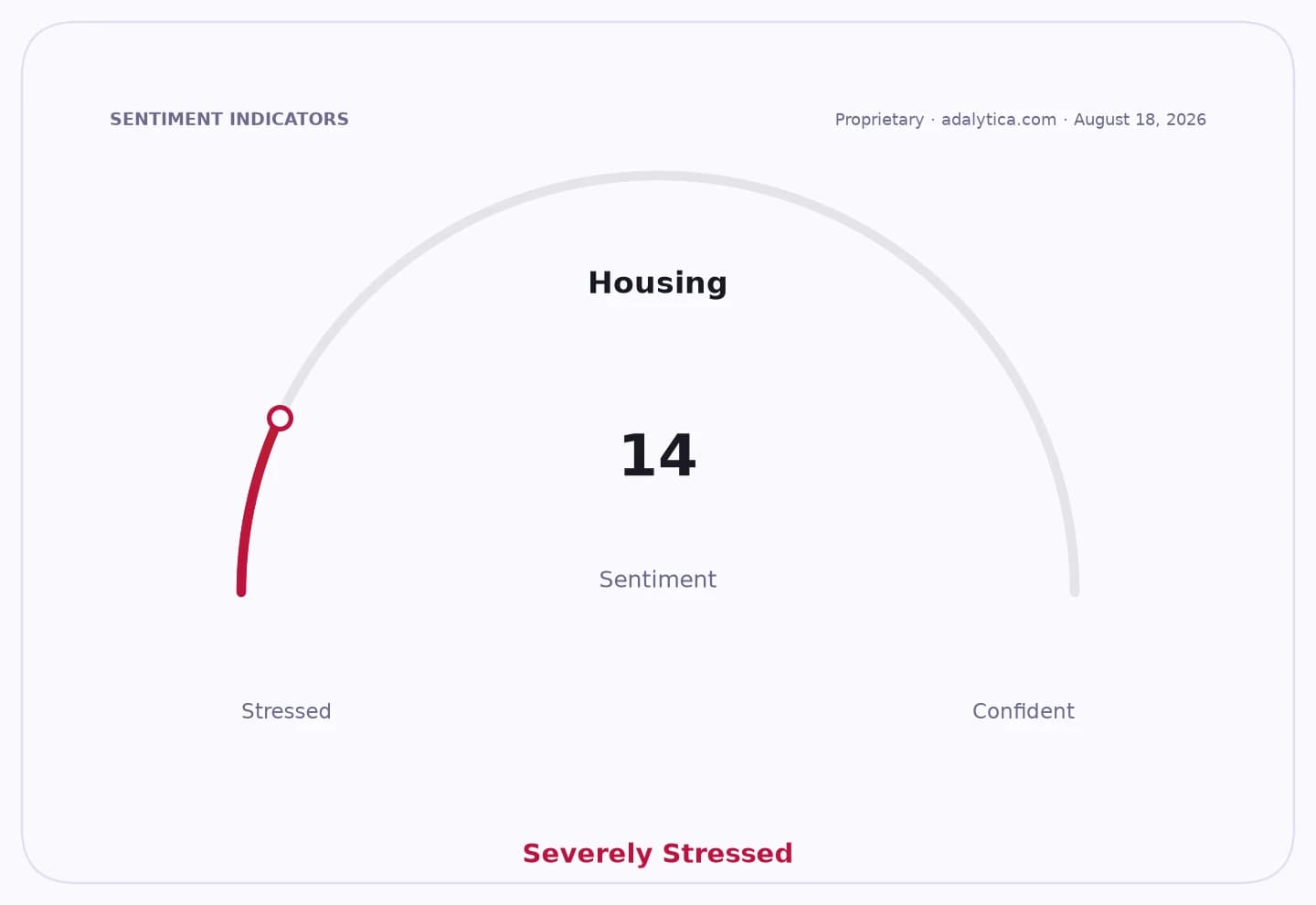
Sentiment IndicatorsⓘProprietary · adalytica.com · August 18, 2026
This is a snapshot — live sentiment, awareness and momentum for 130+ markets update continuously in the dashboard.Open AlphaPulse

The backdrop is still-unforgiving rate pressure. The 10-year Treasury yield is around 4.64%, keeping long-term financing costs well above the ultra-low levels that helped fuel the housing boom, while broad money supply growth remains modest by post-pandemic standards.
Mortgage lenders are already feeling the strain. Rocket Companies’ stock has fallen to $14.76 from $20.06 at the end of December, even after a recent rebound, while UWM Holdings has dropped to $1.59 from $4.57 in late January. Both names trade below their 200-day moving averages, a sign investors remain cautious about the mortgage refinance and purchase market.
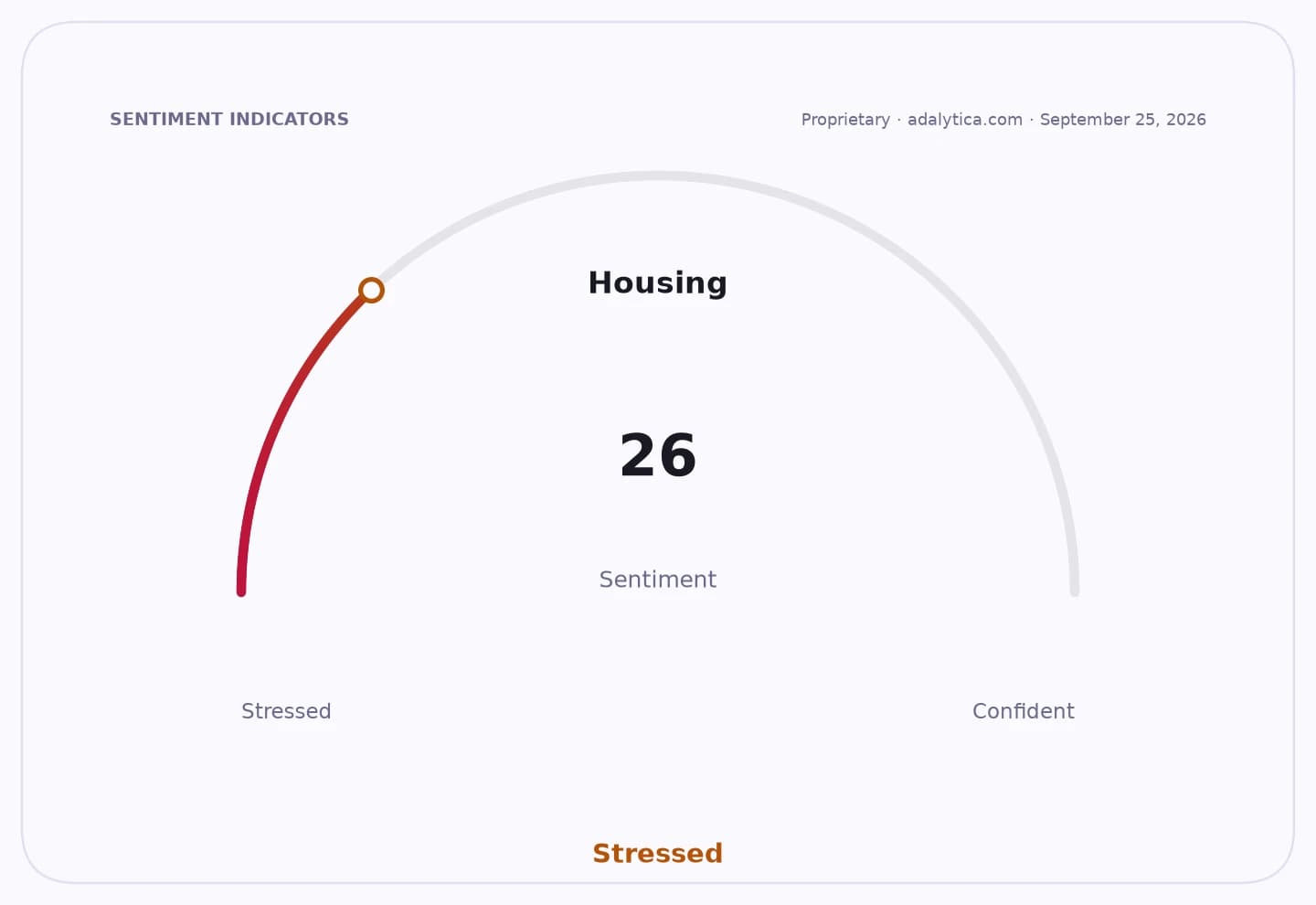
The operating backdrop is uneven. U.S. housing starts rose to 1.415 million in June from 1.182 million in May, but July is forecast to ease back to 1.1849 million, underscoring how fragile the recovery remains. At the same time, the Adalytica Housing and Rent Inflation sentiment gauge sits in “Extreme Fear,” reflecting persistent anxiety around housing costs.
That helps explain why the escrow issue is getting political and legal pushback. Ten states have sued the Trump administration over mortgage interest escrow regulations, while calls for relief measures are growing as borrowers look for ways to blunt the hit to monthly payments.
For investors, the key question is whether higher escrow requirements cool mortgage demand further and weigh on originations, servicing economics and housing-related credit quality. The next catalysts are additional policy action, court developments and the next run of mortgage-rate and housing data.
| Entity | Gains | Losses |
|---|---|---|
| Lenders/servicers | ▲Larger escrow balances, servicing float | ▼Weaker mortgage demand |
| Homeowners/borrowers | ▲Regulatory relief if rules are eased | ▼Higher monthly housing bills |
| Homebuilders | ▲Potentially firmer demand if rates ease | ▼Softer sales if payments rise |
| Mortgage stocks | ▲Repricing if policy stabilizes | ▼Lower originations and margins |