Mozambique is trying to turn a painful fuel shortage into a longer-term energy reset, with the government planning eight new vehicle natural gas filling stations in the south of the country by 2027.
Mozambique plans eight CNG stations by 2027
That matters because the move is less about easing today’s queues than about building a more resilient transport fuel system over time. For households, taxi operators, farmers and bus companies, the immediate problem remains diesel and gasoline scarcity, but Maputo is betting that wider access to compressed natural gas can help diversify supply, reduce pressure on imported fuels and soften the impact of future disruptions.
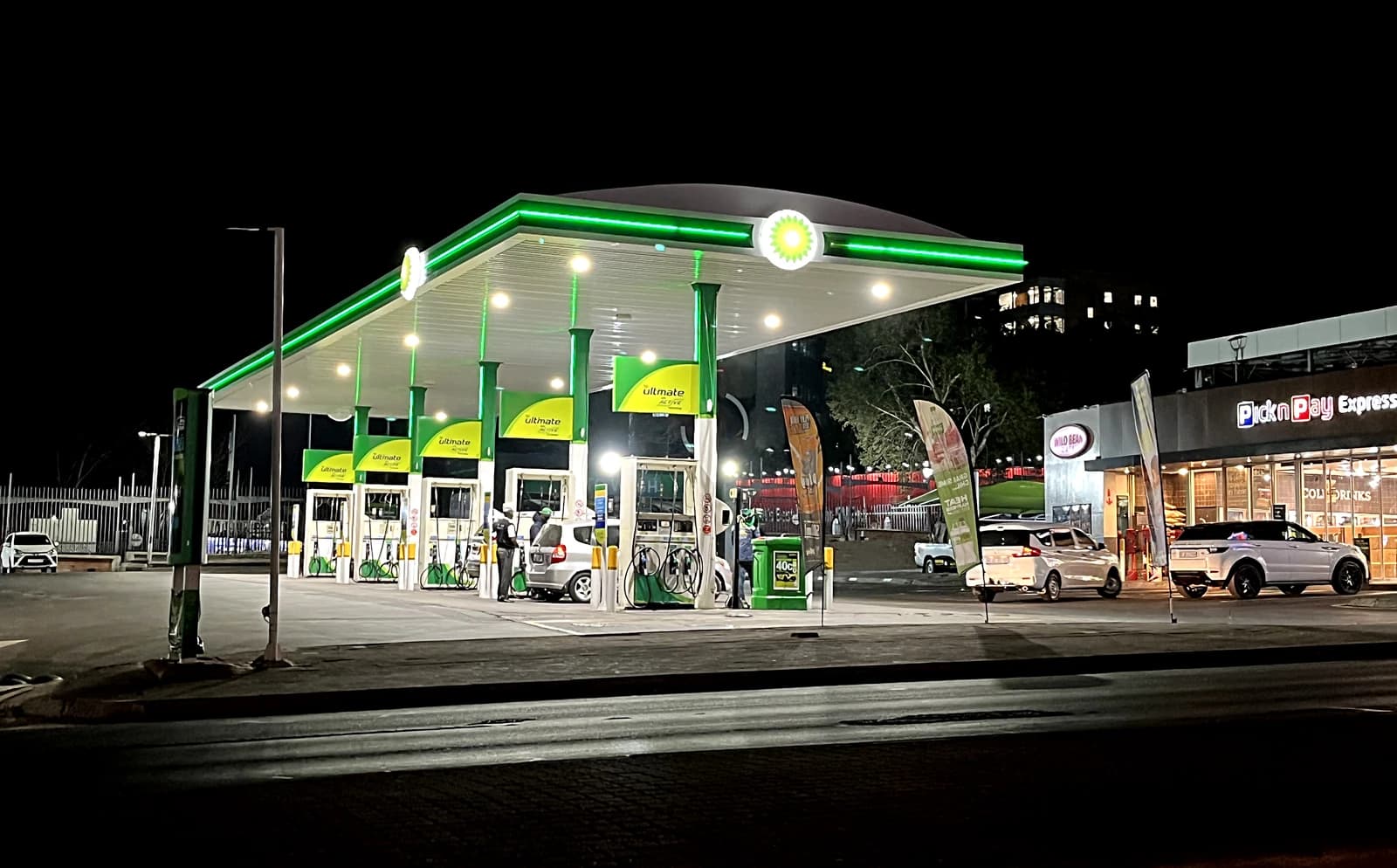
Energy minister Estêvão Pale said three stations will be built in Maputo, two in Gaza and three in Inhambane, as the government expands the use of gas in transport and public buses. The plan comes after months of shortages that have produced long lines at filling stations, tightened logistics and forced authorities to deploy police to manage crowds.
The shortage has exposed how dependent Mozambique remains on imported fuel and how vulnerable it is to foreign exchange constraints and global shipping shocks. Officials said part of the disruption was linked to the Middle East conflict, given the country’s reliance on fuel imported from that region through the Strait of Hormuz. The central bank has also pointed to difficulties some companies face in obtaining foreign currency to pay for imports.
For investors, the key point is that Mozambique is signaling a structural response rather than a one-off emergency fix. The government has already restricted re-exports of fuel meant for domestic use, strengthened state-owned Petromoc’s ability to supply retailers and extended terminal operating hours to speed up distribution. Those steps may improve availability at the margin, but they do not solve the deeper issue: a transport sector still exposed to imported diesel and gasoline prices.
That is why the natural-gas push matters. If the infrastructure rollout gains traction, it could support demand for local gas resources, reduce pressure on hard-currency fuel imports and eventually create a more stable operating environment for transport, agriculture and distribution companies. It could also improve the economics of fleet operators willing to switch from gasoline or diesel, especially if government-backed buses become a larger part of public transport.
Still, the benefits will take time. The first of the new stations are not expected to be operational until 2027, and the government itself has acknowledged the projects will not solve the current crisis immediately. Prices have already risen sharply, with the state lifting administered fuel prices in May, including a 45.5% increase in diesel and a 12.1% rise in gasoline.
For long-term investors, the story is straightforward: Mozambique is trying to use an acute fuel crisis to accelerate a more durable shift in transport energy. That does not remove near-term pain, but it does point to a market where infrastructure, gas supply and state-backed fuel logistics may matter more in the next few years than they have in the past. Worth watching.
| Entity | Gains | Losses |
|---|---|---|
| Natural gas operators | ▲New demand and infrastructure | ▼ |
| Petromoc | ▲Expanded role in domestic supply | ▼Smaller distributors with tighter margins |
| Transport and bus fleets | ▲Potentially cheaper fuel mix later | ▼Diesel and gasoline users in the near term |
| Consumers and farmers | ▲Possible future relief from imported fuel shocks | ▼Higher current fuel costs and shortages |