South Africa’s November petrol price will fall by just 1 cent a litre, but the token decline does little to ease pressure on households already squeezed by months of fuel inflation and rising living costs.
South Africa petrol price to fall 1 cent in November
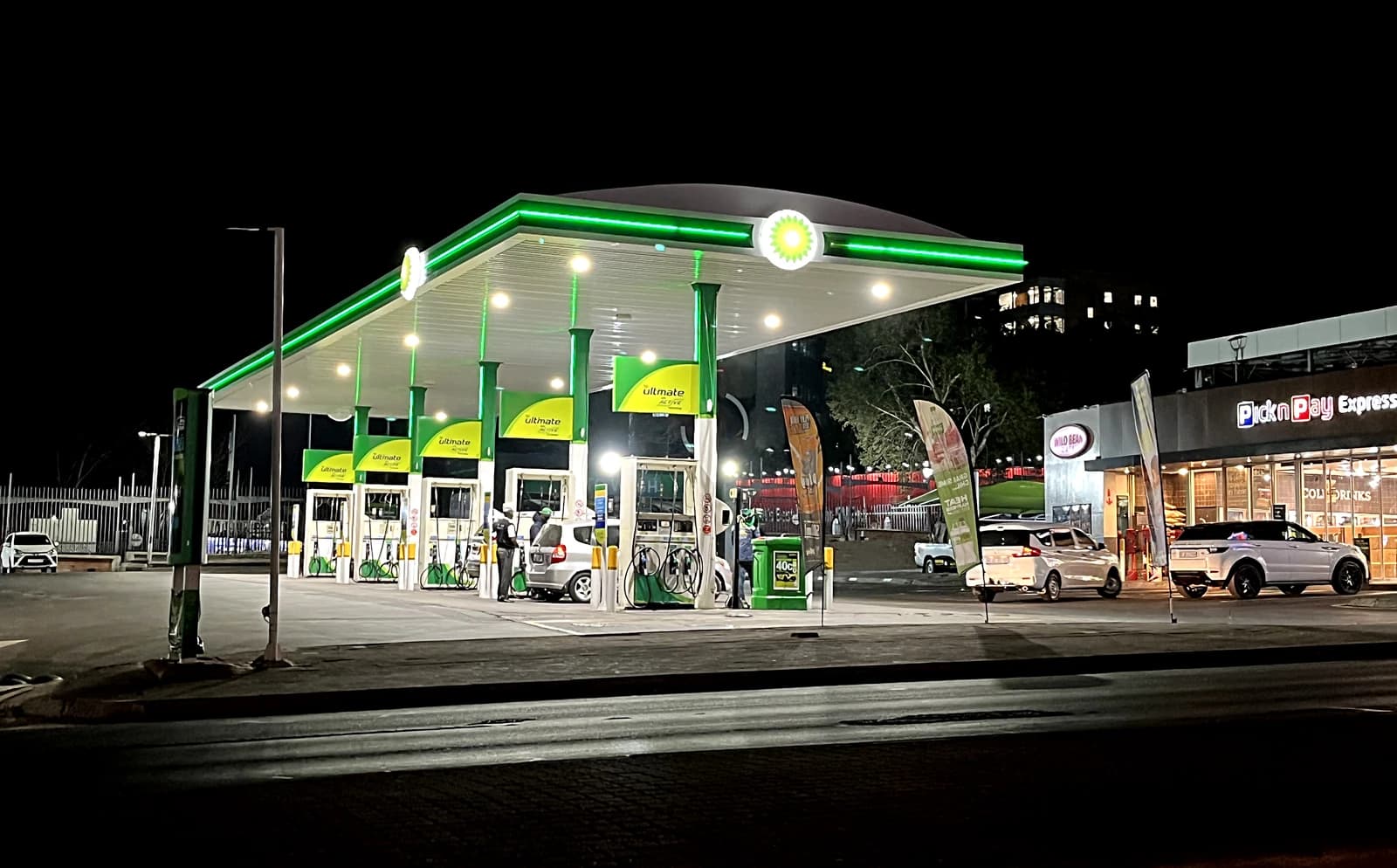
The small drop is being driven almost entirely by a temporary government cut in the general fuel levy, which reduces the levy by R1.50 a litre for petrol and R3 a litre for diesel from 4 November to 1 December. Without that intervention, motorists would have faced another steep increase after October’s rise pushed fuel prices well above R30 a litre.
Sentiment Indicators
The relief is coming even as global oil markets remain elevated. International crude is still around $110 a barrel, while South Africa’s rand, supply disruptions and geopolitical uncertainty keep import costs volatile. Brent and US benchmark prices have softened from their recent highs, but they remain high enough to leave local fuel pricing exposed once the levy support rolls off in December.
For investors and lenders, the bigger issue is what persistent fuel costs are doing to consumer balance sheets. Debt Rescue CEO Neil Roets said households have already absorbed higher transport, food, electricity and financing costs, and that the cumulative hit is forcing many consumers to lean on credit and short-term debt just to cover basic monthly expenses.
That strain is showing up in behaviour. Discovery Insure data cited by Roets points to a 30% drop in long-distance trips, suggesting motorists are cutting discretionary travel while preserving commuting and school runs. In other words, South Africans are not driving less overall so much as abandoning non-essential travel, a shift that can pressure tourism, retail and broader festive-season spending.
The temporary levy cut may blunt immediate pain at the pump, but it does not repair household finances. With the intervention set to expire in early December and global oil still above levels that offer real relief, fuel remains a key risk for consumer spending, debt quality and the pace of year-end demand.
| Entity | Gains | Losses |
|---|---|---|
| South African motorists | ▲Slight November reprieve | ▼No meaningful relief |
| Government levy cut | ▲Temporary fuel-price cushion | ▼Lost tax revenue |
| Oil exporters | ▲Supported pricing | ▼Consumers in importers |
| South African households | ▲Short-term cash-flow relief | ▼Higher debt pressure |