The Western Cape wants qualifying households to receive more free water and electricity, a move that would deepen utility relief for low-income residents as inflation and municipal service costs keep squeezing South African consumers.
Western Cape seeks higher free water and electricity
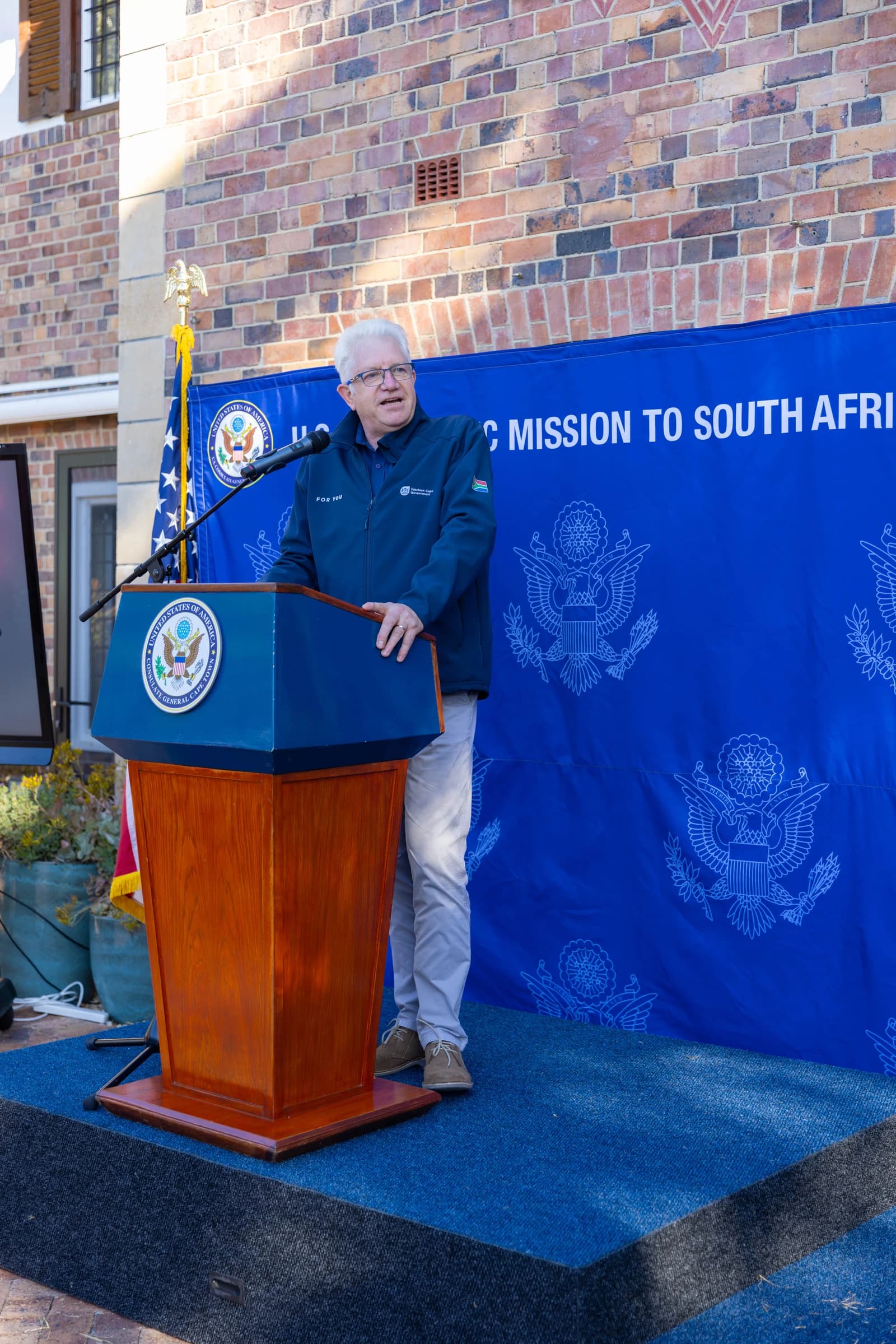
The province has proposed lifting the monthly free-water allowance for indigent households to 10.5 kilolitres from six, while moving toward a 150 kilowatt-hour electricity threshold, far above the usual 50 kWh basic electricity allocation. The request, made ahead of the Medium-Term Budget Policy Statement, is not yet policy, but it puts pressure on National Treasury to consider whether existing free-basic-service rules still match the reality facing poorer households.
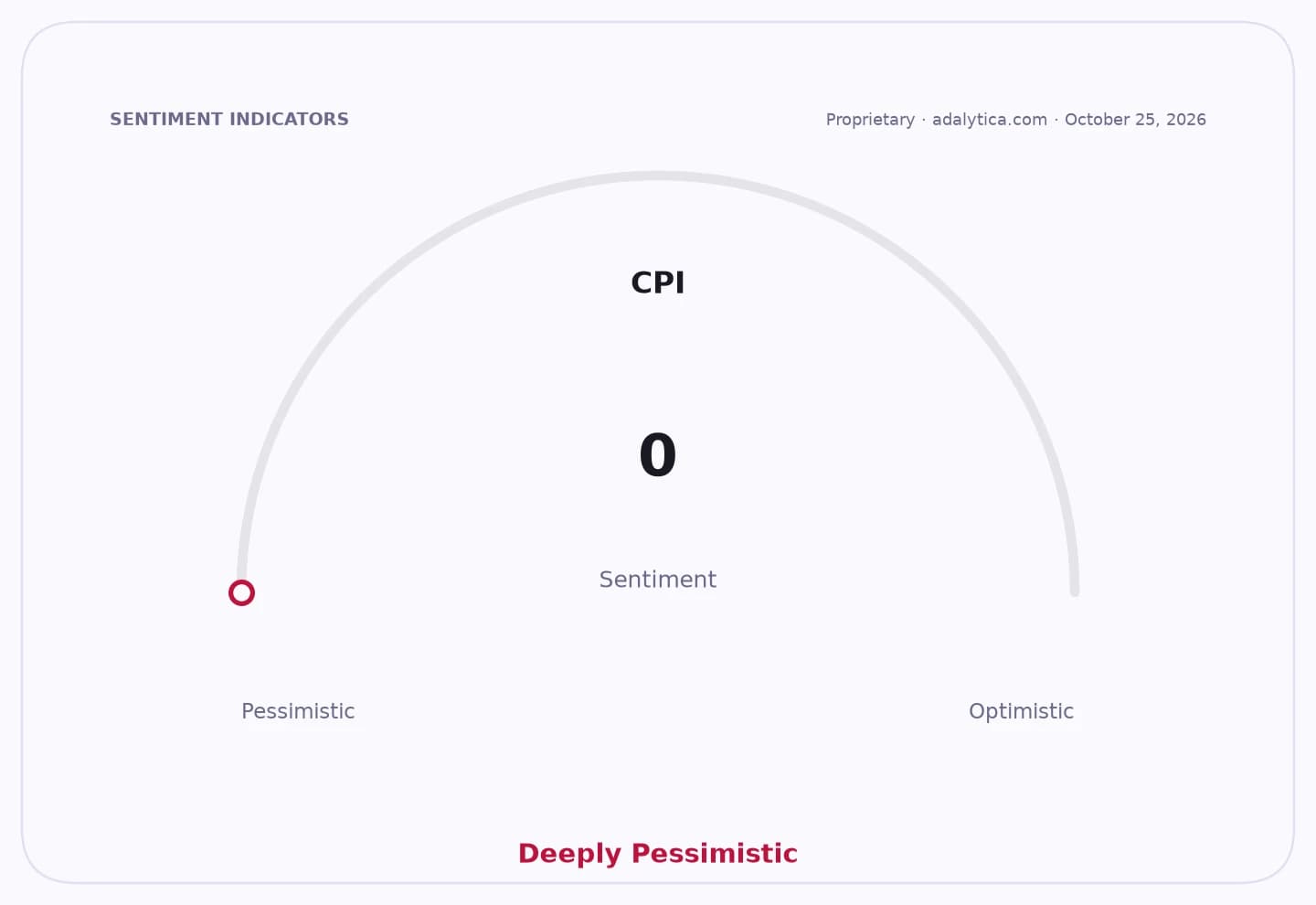
Sentiment IndicatorsⓘProprietary · adalytica.com · October 28, 2026
This is a snapshot — live sentiment, awareness and momentum for 130+ markets update continuously in the dashboard.Open AlphaPulse
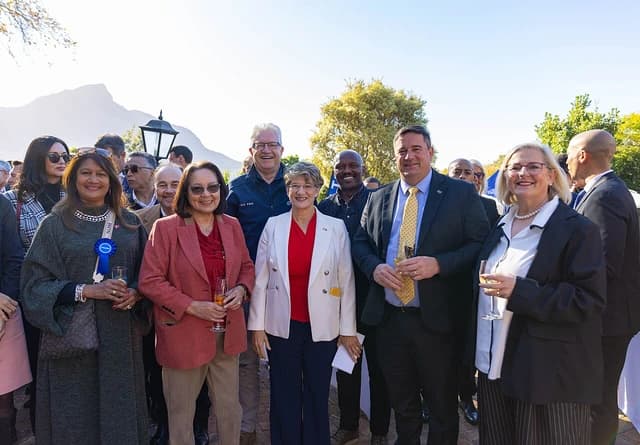
That matters economically because utilities are one of the most immediate channels through which inflation hits household budgets. The Western Cape government, citing research with Stellenbosch University, said the current package no longer supports a “dignified standard of living.” Premier Alan Winde and Finance MEC Deidré Baartman framed the issue as one of rising fuel, food and transport costs, not just higher utility bills. In practical terms, a larger allowance would leave vulnerable households with more disposable income for other essentials, which could slightly support consumption at the lower end of the income distribution.
The proposal also speaks to a broader tension in South Africa’s local government finances. National Treasury said it will allocate an extra R21.8 billion over the medium term to the local government equitable share to cover higher bulk costs tied to free basic water, sanitation, electricity and refuse removal. More than 11 million households already receive some form of free basic municipal services, but the state is also signaling that municipalities must do more on collections, financial management and service delivery. Treasury is effectively trying to balance affordability for households with the fiscal burden on cities and utilities.
For investors, the immediate impact is less about the Western Cape proposal itself than about what it says on pricing, regulation and public finances. Expanded free-service thresholds would reduce billable volumes for municipal utilities and their suppliers at the margin, although the fiscal cost would likely be socialized through transfers or municipal budgets. That makes the issue relevant to South African utilities, local government debt risk and the broader policy backdrop for infrastructure investment. The debate also underscores how politically sensitive household tariffs have become as living costs remain elevated.
There is no policy change yet, and implementation would require further decisions on eligibility, funding and municipal rules. But the direction of travel is clear: pressure is building for the state to widen utility relief, even as Treasury insists that better administration, not just more money, is part of the answer. For households, the upside is obvious. For municipalities and the public finances, the question is who pays.
| Entity | Gains | Losses |
|---|---|---|
| Qualifying households | ▲Lower utility bills | ▼Less direct cash burden |
| Western Cape Government | ▲Political support | ▼Budgetary pressure |
| Municipalities / Treasury | ▲Targeted relief credibility | ▼Higher subsidy costs |
| Utility suppliers | ▲Stable demand through transfers | ▼Lower billed consumption |