Brazil’s plan to make urban public transport free on weekends and holidays could shave as much as 0.25 percentage point off monthly inflation while redirecting up to 45 billion reais a year toward household consumption, a policy shift that would ripple through prices, spending and the fiscal debate if Luiz Inácio Lula da Silva wins reelection and pushes it through Congress.
Brazil weekend free transit plan could cut inflation
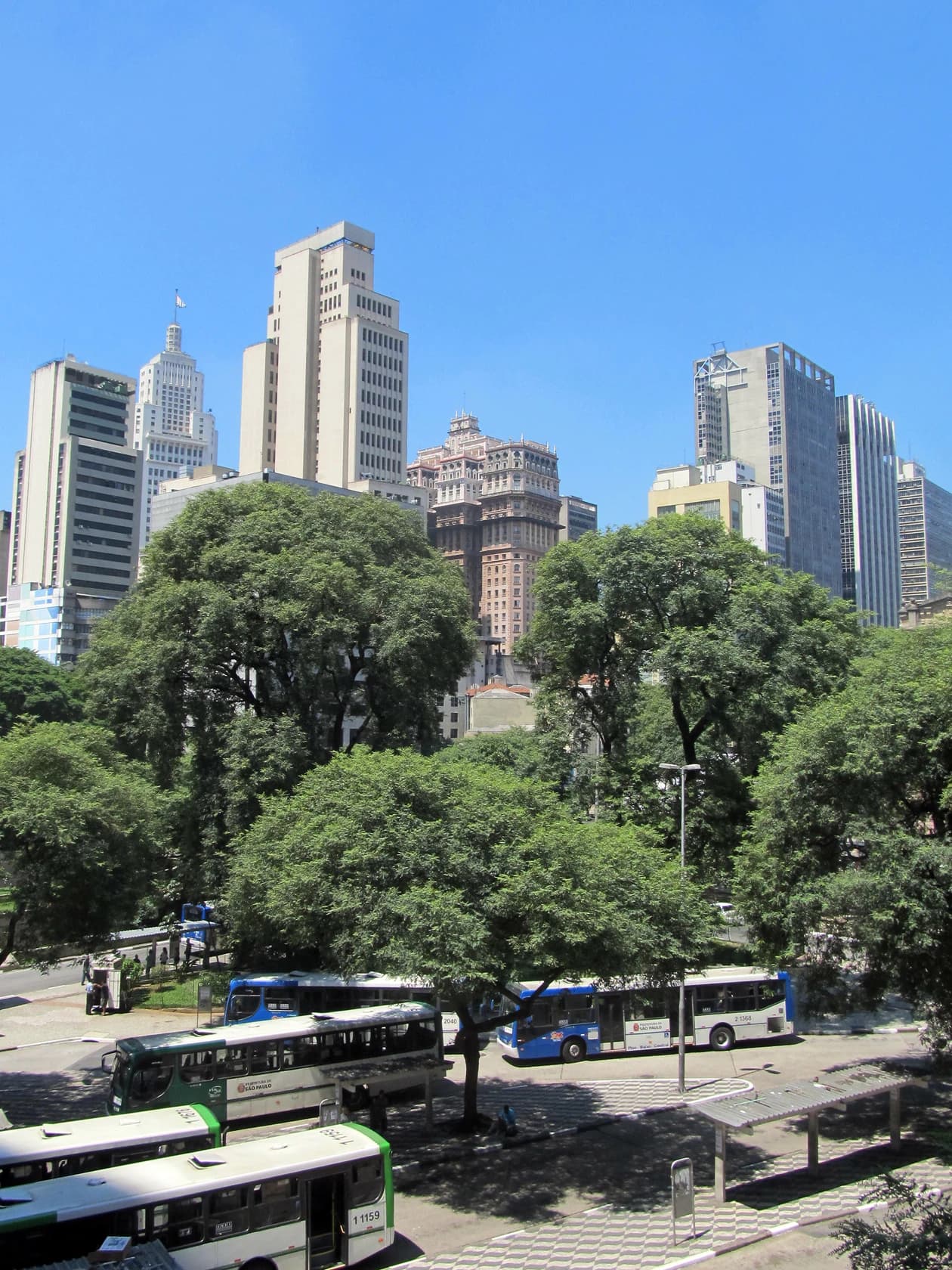
The proposal is economically significant because it targets one of the most visible recurring costs for low- and middle-income households at a time when Brazil is still wrestling with inflation sensitivity and weak purchasing power. By removing fares on Saturdays, Sundays and holidays, the government would effectively transfer spending from transport operators to food, housing and health purchases, boosting discretionary demand without cutting nominal wages. Economists cited in local reports say the policy could lower the urban bus component of the official IPCA inflation index by about 22.4%, even though that basket has a relatively small 1.116% weight in the overall gauge.
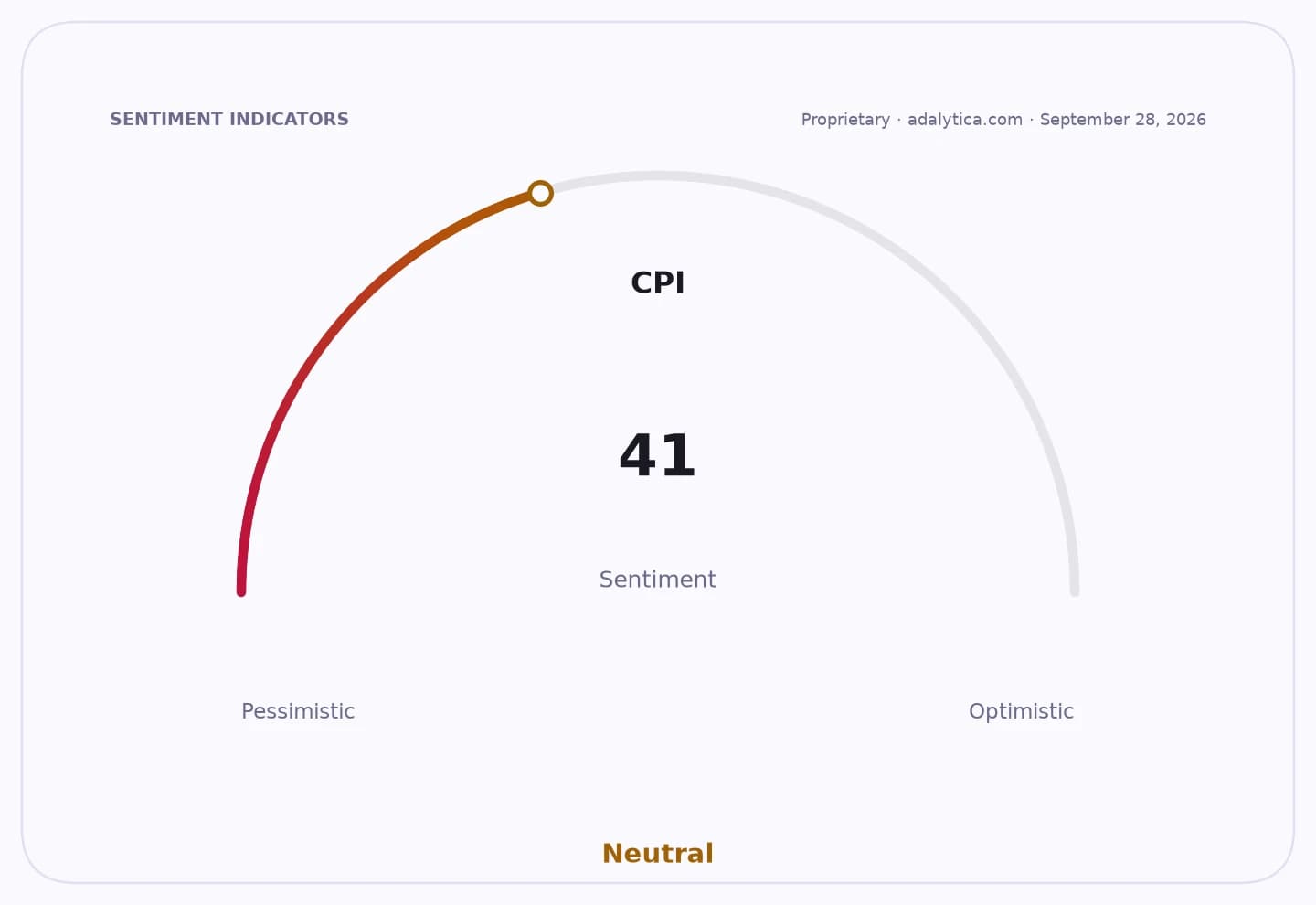
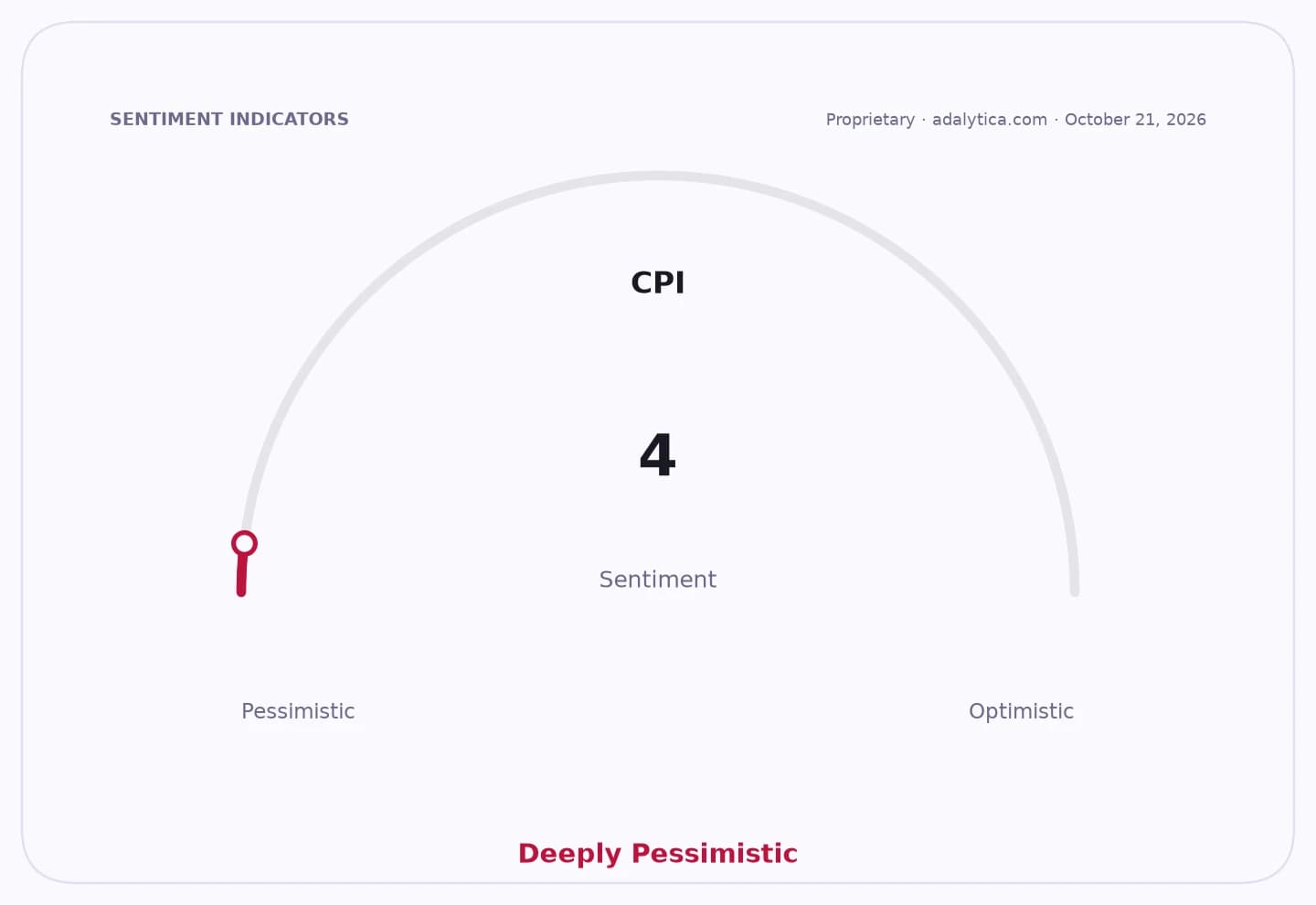
Sentiment IndicatorsⓘProprietary · adalytica.com · October 22, 2026
This is a snapshot — live sentiment, awareness and momentum for 130+ markets update continuously in the dashboard.Open AlphaPulse
The wider consumer impact could be larger than the inflation effect alone suggests. A University of Brasilia study estimated that full implementation of zero fares across the country could redistribute 60 billion reais a year toward consumption, including existing concessions for students and the elderly. That matters for a country where informal workers and lower-income commuters spend a meaningful share of daily income just getting to work, shops and services. For those households, weekend transport costs are not a marginal inconvenience but a direct drain on essential spending.
For investors, the proposal raises a familiar question in Brazil: who pays for social policy that broadens consumption? The National Association of Public Transport warned that fare revenue is already insufficient to cover operating costs and that the system would need additional non-fare funding. That makes the measure potentially supportive for consumer-facing companies and retailers, but it could also intensify pressure on federal and municipal budgets, as well as on the operators and suppliers that depend on a predictable funding model. Any move toward universal free transit would likely require a more durable subsidy framework, especially if Lula seeks to apply it across more than 5,000 municipalities.
The political economy is just as important as the fiscal arithmetic. Lula’s proposal fits a broader agenda aimed at widening access to basic services ahead of a possible reelection campaign, but it will need constitutional change and parliamentary backing. That creates a negotiation over funding and implementation, with lawmakers likely to demand earmarks and budget concessions. The fact that some cities, including Brasilia, Sao Paulo and Belo Horizonte, already run free-fare programs on certain days gives the idea a practical precedent, but scaling it nationwide would be a more expensive and politically fraught step.
The investment case therefore splits along two lines. The bull case is that free weekend transit can support consumption, ease headline inflation and strengthen household demand without an immediate rise in cash transfers. The bear case is that the policy shifts costs onto the public sector, creates execution risk and may prove hard to finance without new taxes or larger subsidies. For markets, the key issue is not whether the idea is popular, but whether Brazil can fund it without undermining fiscal credibility.
That balance between social spending and budget discipline will determine whether zero-fare transit becomes a limited local experiment or a nationwide policy with macroeconomic consequences. If Lula advances the amendment, investors will watch the financing model, congressional support and any second-order effects on inflation expectations, municipal budgets and consumer spending patterns.
| Entity | Gains | Losses |
|---|---|---|
| Low-income commuters | ▲Lower travel costs | ▼Less direct fare subsidy clarity |
| Retailers and consumer sectors | ▲More disposable income | ▼Fiscal uncertainty |
| Public transport operators | ▲Higher public funding potential | ▼Fare revenue loss |
| Federal and local governments | ▲Political goodwill | ▼Budget pressure |