Los Angeles Mayor Karen Bass has ordered the city’s utility department to spare residential customers from electricity and water shutoffs through year-end if they cannot pay bills swollen by recent heat waves, a move that underscores how extreme weather is turning into a household affordability issue for one of the nation’s largest municipal utilities.
Los Angeles orders LADWP to pause shutoffs
The policy response matters because it shifts some of the immediate burden of climate-driven demand spikes away from households already squeezed by high gasoline prices, inflation and elevated living costs. Air conditioning, Bass said, is no longer a discretionary expense for seniors and residents with health problems, but a necessity, which makes rising utility bills a public-health and political problem as well as an economic one.
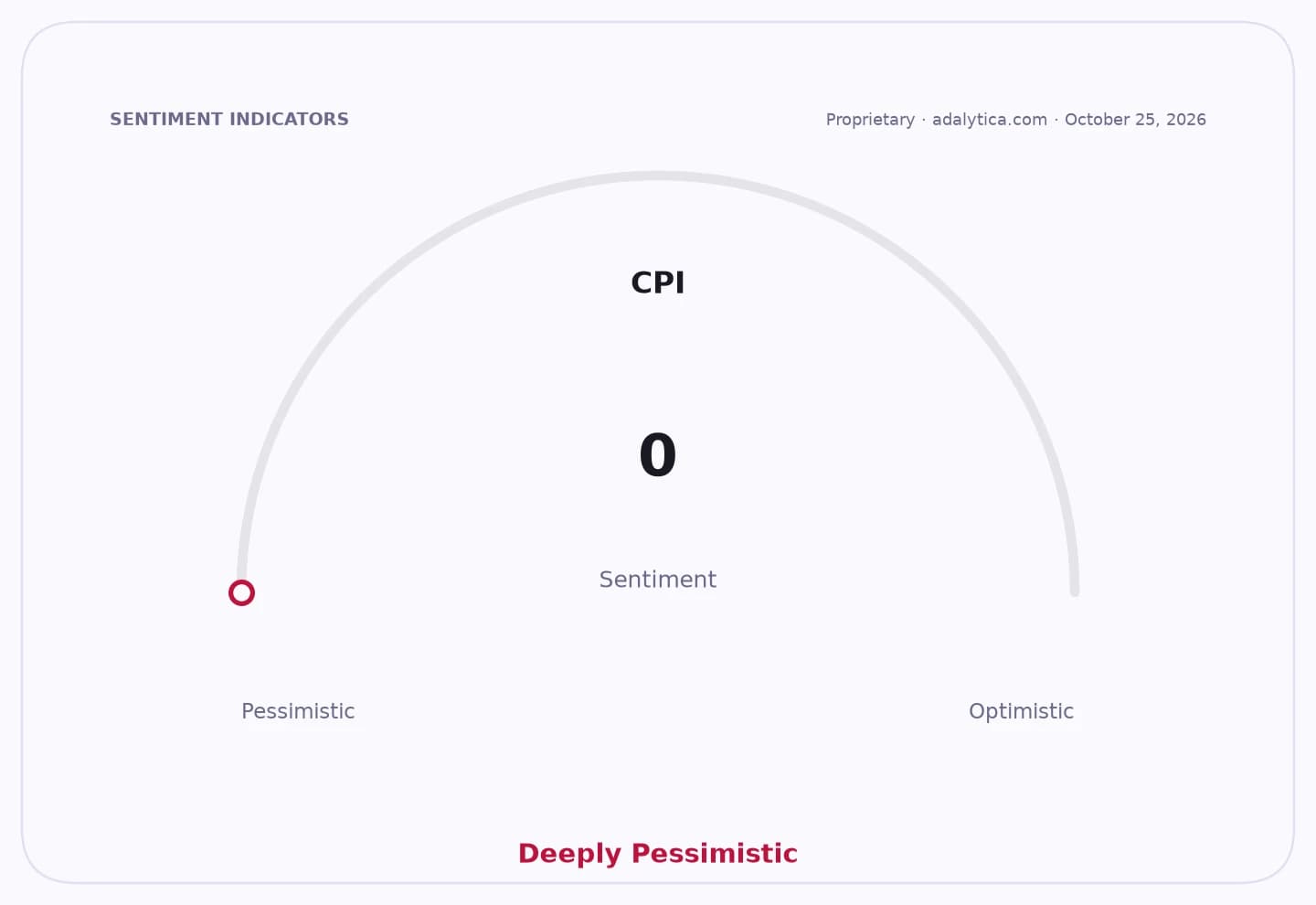
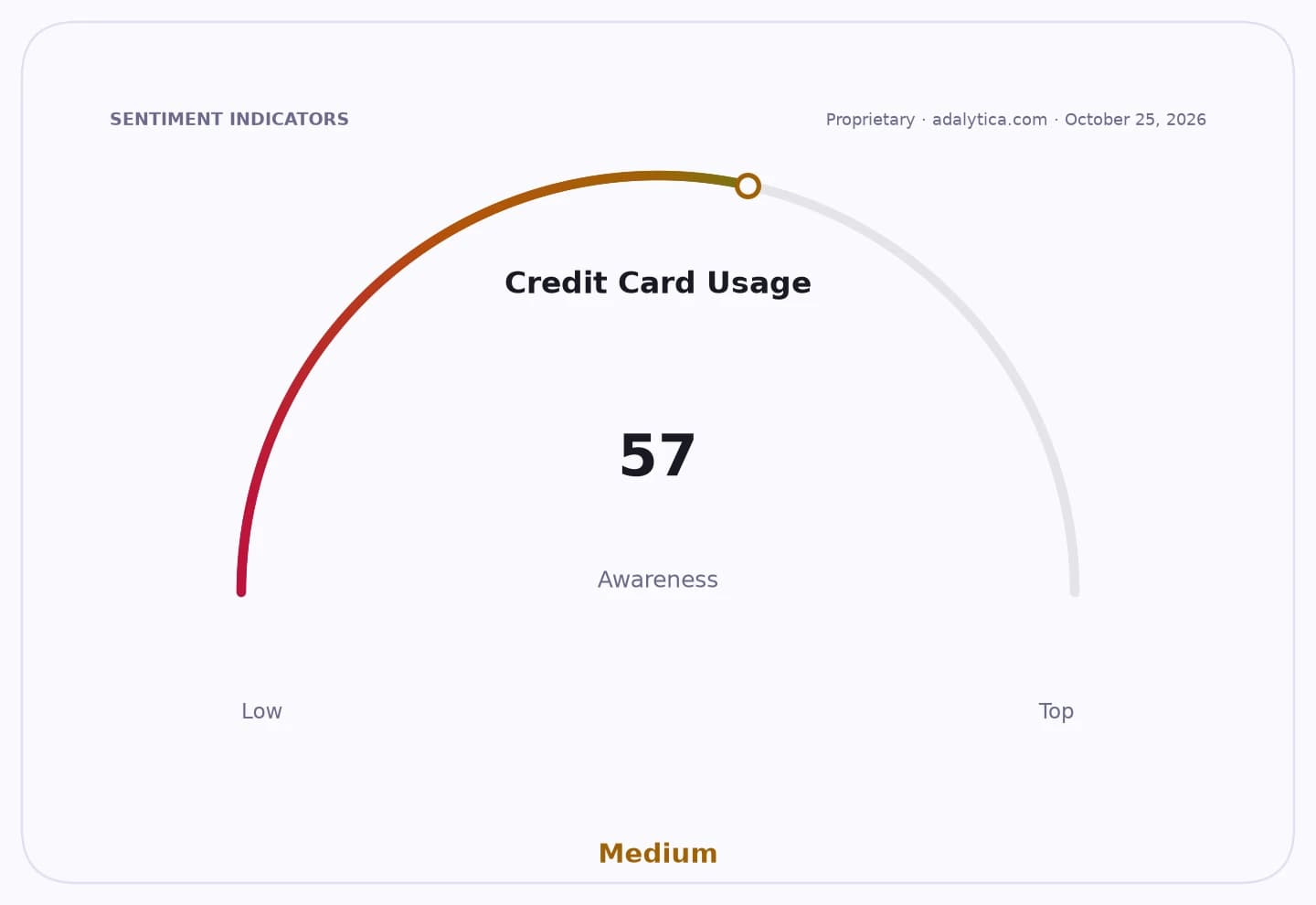
Sentiment IndicatorsⓘProprietary · adalytica.com · October 25, 2026
This is a snapshot — live sentiment, awareness and momentum for 130+ markets update continuously in the dashboard.Open AlphaPulse
Under the measures, customers of the Los Angeles Department of Water and Power can pay what they can for now, while the utility will suspend service disconnections through Dec. 31 for residential customers facing higher bills after what Bass called an unprecedented heat wave. The city will also provide consumers with more detailed information on electricity and water use, and will push bill-smoothing plans such as Level Pay, which averages costs over 12 months, alongside low-income programs including Lifeline and EZ-Save.
For investors, the announcement is a reminder that utilities are increasingly caught between rising operating and financing costs, weather volatility and regulators’ pressure to keep power affordable. U.S. utility shares have often been treated as defensive income plays, but the sector’s earnings can still be hit by weather-driven usage swings and by the political risk that follows when customers struggle to pay. That dynamic is especially relevant for municipally backed providers such as LADWP, where affordability, service reliability and capital investment must be balanced without the same profit motive as investor-owned peers.
The broader economic backdrop is one of persistent utility-bill pressure. Inflation has kept essential costs elevated, while hotter summers are increasing electricity consumption just as infrastructure spending needs rise across the grid. Federal price data also show consumer inflation still running well above pre-pandemic norms, and energy prices remain volatile, complicating household budgeting and municipal planning alike. For cities, the question is no longer only how to respond to one heat event, but how to design billing and relief systems that can absorb repeated climate shocks without widening arrears.
The near-term market implication is limited for equities directly, but the policy trend is clear: extreme heat is forcing utilities and local governments to treat bill relief as part of climate adaptation. That should support demand for efficiency programs, weatherization and load-management services, while keeping attention on the earnings and cash-flow sensitivity of regulated utilities in hotter regions. The next test will be whether Los Angeles can contain delinquency and outage risk without undermining LADWP’s revenue base or forcing larger rate increases later.
| Entity | Gains | Losses |
|---|---|---|
| LADWP residential customers | ▲Short-term bill relief | ▼Higher deferred utility revenue |
| Los Angeles city government | ▲Political goodwill | ▼Pressure on utility finances |
| Low-income and elderly households | ▲Better affordability | ▼Less incentive to cut usage |
| Utility bondholders / ratepayers | ▲Potentially steadier collections | ▼Risk of weaker cash flow |