Soaring electricity bills have turned into a politically potent affordability issue ahead of the 2026 midterms, with Democrats spending heavily to make utility costs a kitchen-table argument in battleground states.
U.S. electricity bills rise into 2026 midterm debate
That matters because utility prices are one of the few inflation line items voters feel every month, and they are still rising faster than overall inflation. The Bureau of Labor Statistics says electricity costs were up 4.4% in the year through September, above the 3.7% headline CPI rate, while average U.S. residential electricity rates have climbed to 18.34 cents per kilowatt-hour, according to ElectricChoice.
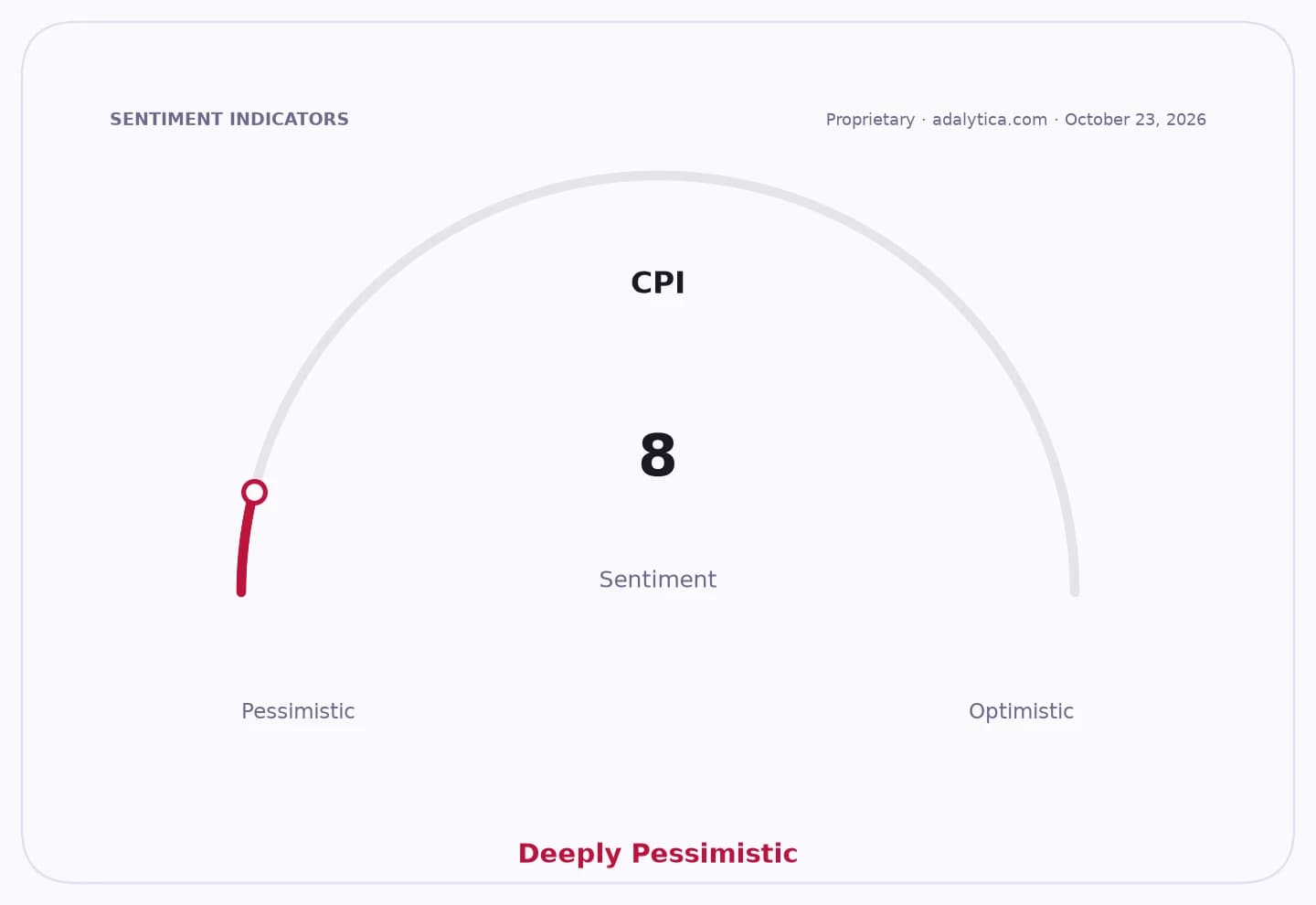
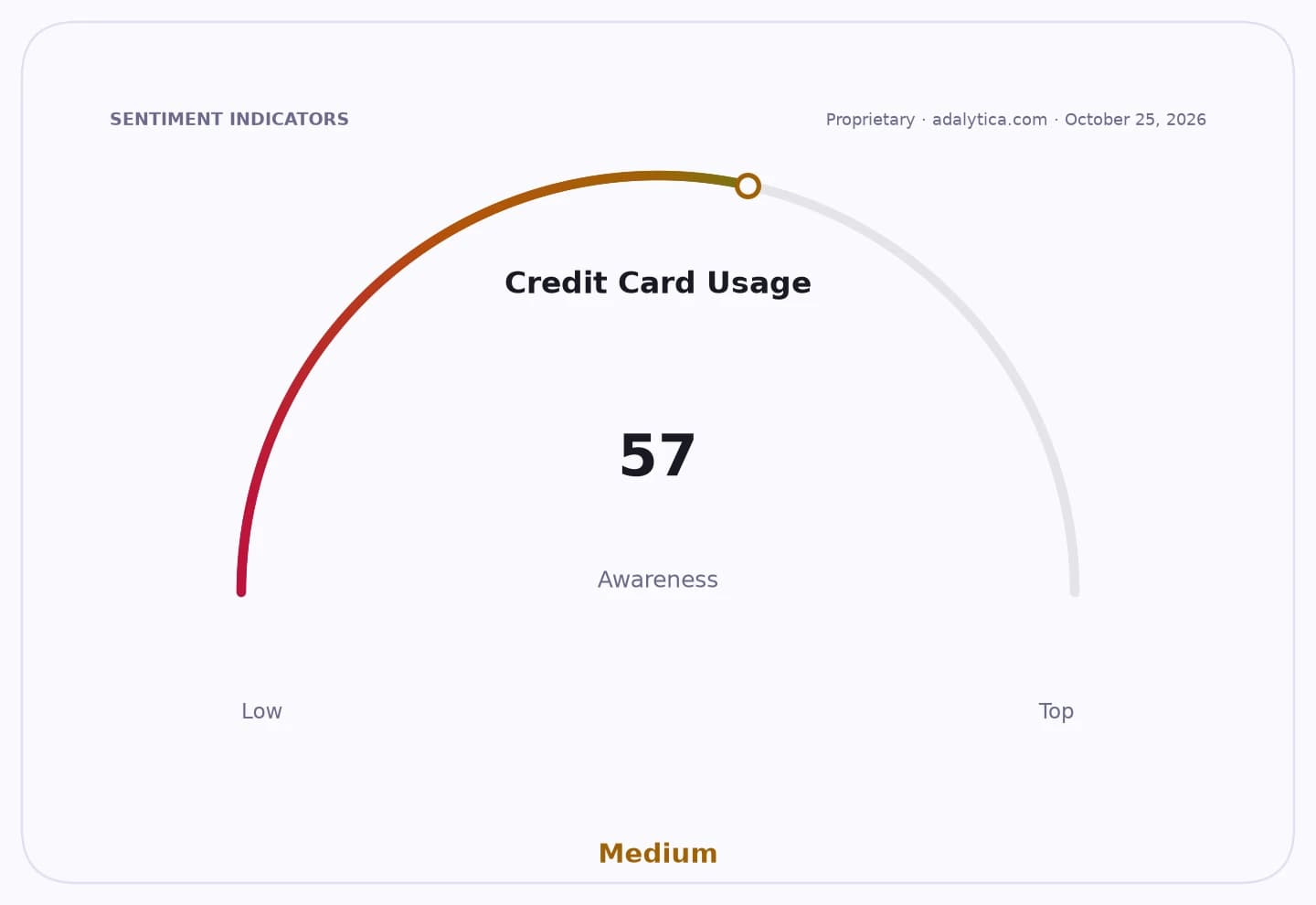
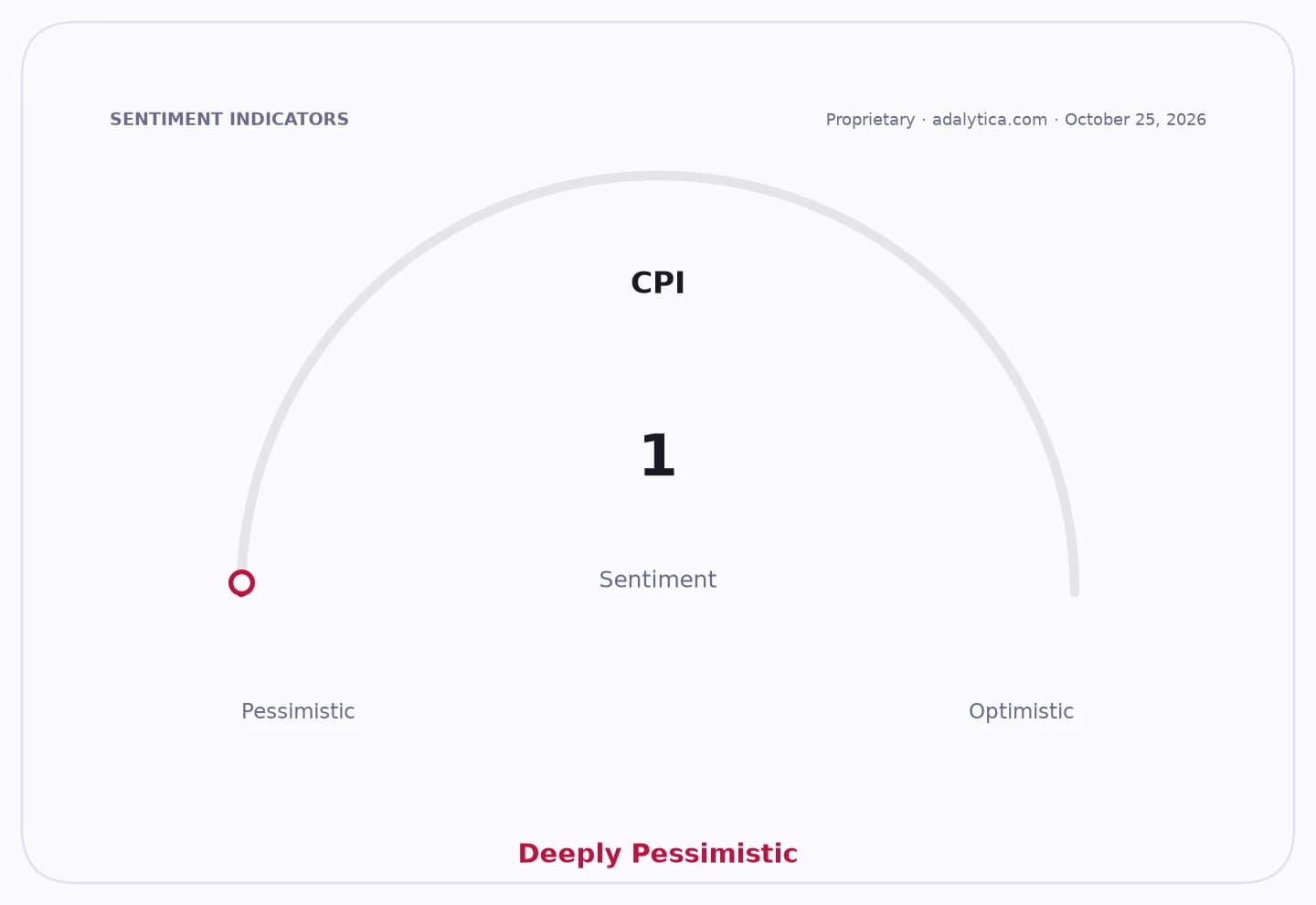
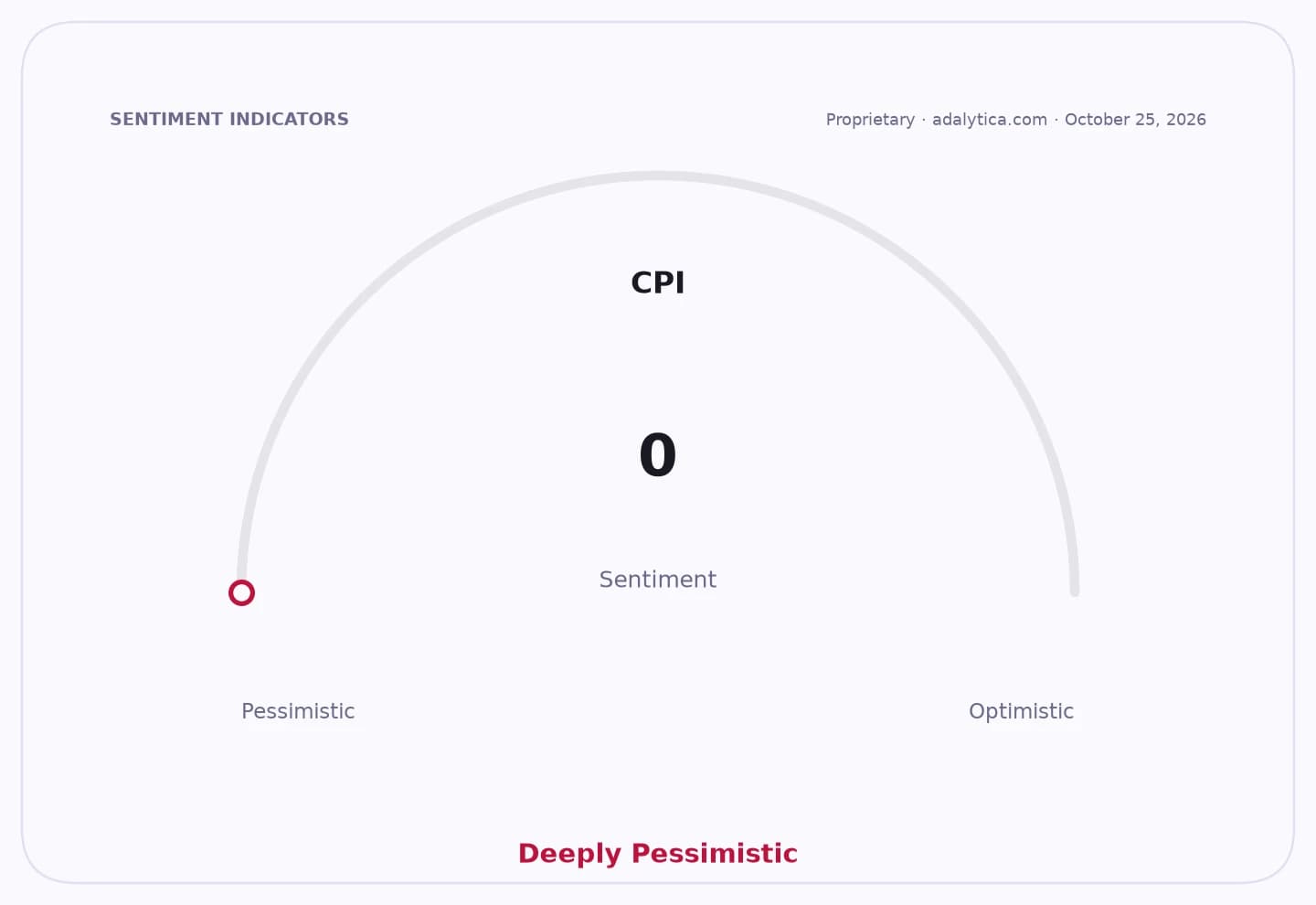
Sentiment IndicatorsⓘProprietary · adalytica.com · October 25, 2026
This is a snapshot — live sentiment, awareness and momentum for 130+ markets update continuously in the dashboard.Open AlphaPulse
The political spending is sizable enough to show this is not just campaign messaging, but a coordinated attempt to define the affordability debate. AdImpact data, analyzed by Climate Power, shows more than $191 million has been spent on ads referencing utility and energy bills in the first nine months of 2026, including $138 million in the third quarter alone. Democrats accounted for 70% of that third-quarter spending, with the heaviest concentration in Ohio, Michigan, Pennsylvania, Wisconsin and Texas. Climate Power said 11 states made up more than 60% of all utility-focused ad spending since July.
For investors, the significance is bigger than one election cycle. If politicians keep treating power bills as a defining voter pain point, utilities, regulated power producers and energy suppliers could stay under pressure from both sides of the aisle. At the same time, persistently high household energy costs can weigh on consumer spending elsewhere, making the utility bill a proxy for the broader strain on the U.S. consumer.
The numbers also help explain why this message is resonating. A Searchlight Institute poll found 56% of likely voters preferred lowering costs over fighting climate change when forced to choose, and 96% said their electricity bill had stayed the same or risen over the past year. Climate Power’s January polling found 84% of registered voters were concerned about electricity bills, including 42% of swing voters who were very concerned.
That backdrop has already shown up in markets for energy and utility stocks. The Utilities Select Sector SPDR Fund and the Energy Select Sector SPDR Fund have both been active as investors weigh higher power demand, fuel costs and rate-setting politics. Conventional technical indicators on XLU and XLE suggest strong recent momentum, but those moves sit against a more important long-term question: can utilities pass through higher costs without inviting tougher regulation or voter backlash?
For now, the lesson for long-term investors is simple. Rising utility bills are no longer just an inflation story; they are a political and economic pressure point that can shape policy, consumer behavior and sector valuations. That makes the issue worth watching closely, especially in states where elections and electricity prices are both moving fast.
| Entity | Gains | Losses |
|---|---|---|
| Democrats | ▲Stronger affordability message | ▼Risk of overselling cost relief |
| Republicans | ▲Chance to attack inflation | ▼Lose ground on kitchen-table issues |
| Utility customers | ▲More policy attention | ▼Higher monthly bills |
| Utilities/energy companies | ▲Potential rate support | ▼Greater political scrutiny |