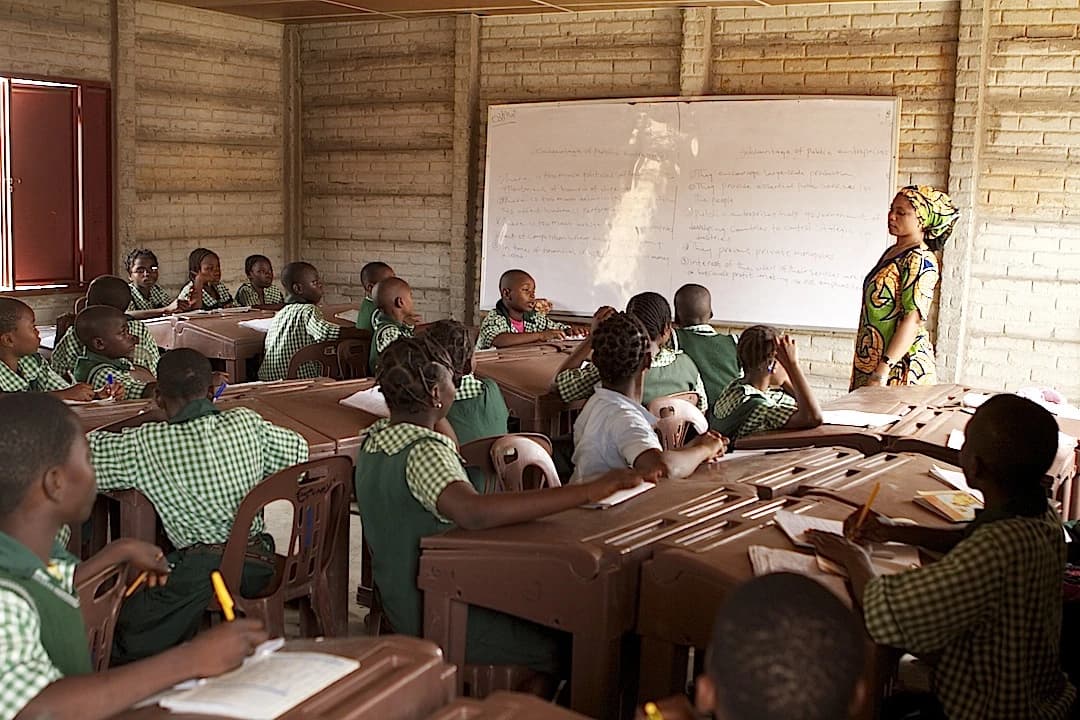
The United Nations says acute multidimensional poverty has climbed in sub-Saharan Africa to about 579 million people, overtaking South Asia for the first time and underscoring how weak living standards are feeding a deeper economic burden across the region.
Sub-Saharan Africa Poverty Overtakes South Asia
The shift matters far beyond the headline number. The UN’s Multidimensional Poverty Index, which measures deprivations in health, education and basic living conditions, has risen for the first time since it was introduced in 2010. That suggests the problem is not just low incomes, but a broad failure of service delivery: unreliable access to clean water, electricity, healthcare, schooling and decent housing. For economies already struggling with high debt, weak productivity and limited fiscal room, persistent deprivation can lock in slower growth and make poverty harder to reverse.
For investors, the report is a reminder that demographic growth in Africa does not automatically translate into rising consumption. A large and growing population can be an opportunity for long-term demand, but only if household purchasing power improves and infrastructure expands. Without that, consumer-facing businesses face a thinner addressable market, governments face more pressure to spend on subsidies and safety nets, and foreign capital must price in elevated political and social risk. The poverty burden also raises the odds of migration pressures, instability and continued dependence on external financing and aid.
The data point to a widening divide between regions that have managed to expand basic services and those that have not. South Asia has improved enough to fall behind sub-Saharan Africa on the UN’s measure, while Africa remains burdened by unsafe living conditions and chronic shortages in essentials. That makes the story as much about failed development as about poverty itself: growth that does not reach households, infrastructure that does not keep up with population, and policy capacity that is too weak to close the gap.
The bull case is that the scale of need creates a long runway for investment in utilities, telecoms, healthcare, consumer staples and low-cost financial services, if governments and donors can mobilize funding. The bear case is that repeated underinvestment will keep incomes depressed, constrain demand and leave the region more vulnerable to shocks. For markets, the message is that Africa’s development story remains intact, but the timeline is longer and the risks are higher than the headline growth numbers suggest.
| Entity | Gains | Losses |
|---|---|---|
| Donors and multilateral lenders | ▲Higher case for aid | ▼Larger funding burden |
| Essential-service providers | ▲Long-term demand | ▼Political and execution risk |
| Local governments | ▲Urgency for reform | ▼Fiscal strain |
| Households in sub-Saharan Africa | ▲Potential future support | ▼Worsening living standards |