Mozambique has raised more than 811 million euros in Treasury bond operations this year, underscoring how aggressively the state is pushing out its debt maturities as it leans on domestic markets to refinance obligations due in the near term.
Mozambique raises 811 million euros in Treasury bonds
That matters because the country is not simply funding new spending — it is managing a debt stack that still needs constant refinancing. By swapping short-dated liabilities for longer maturities, Maputo is reducing immediate repayment pressure, smoothing its cash needs and buying time for a government that has said debt sustainability remains one of its biggest economic challenges.
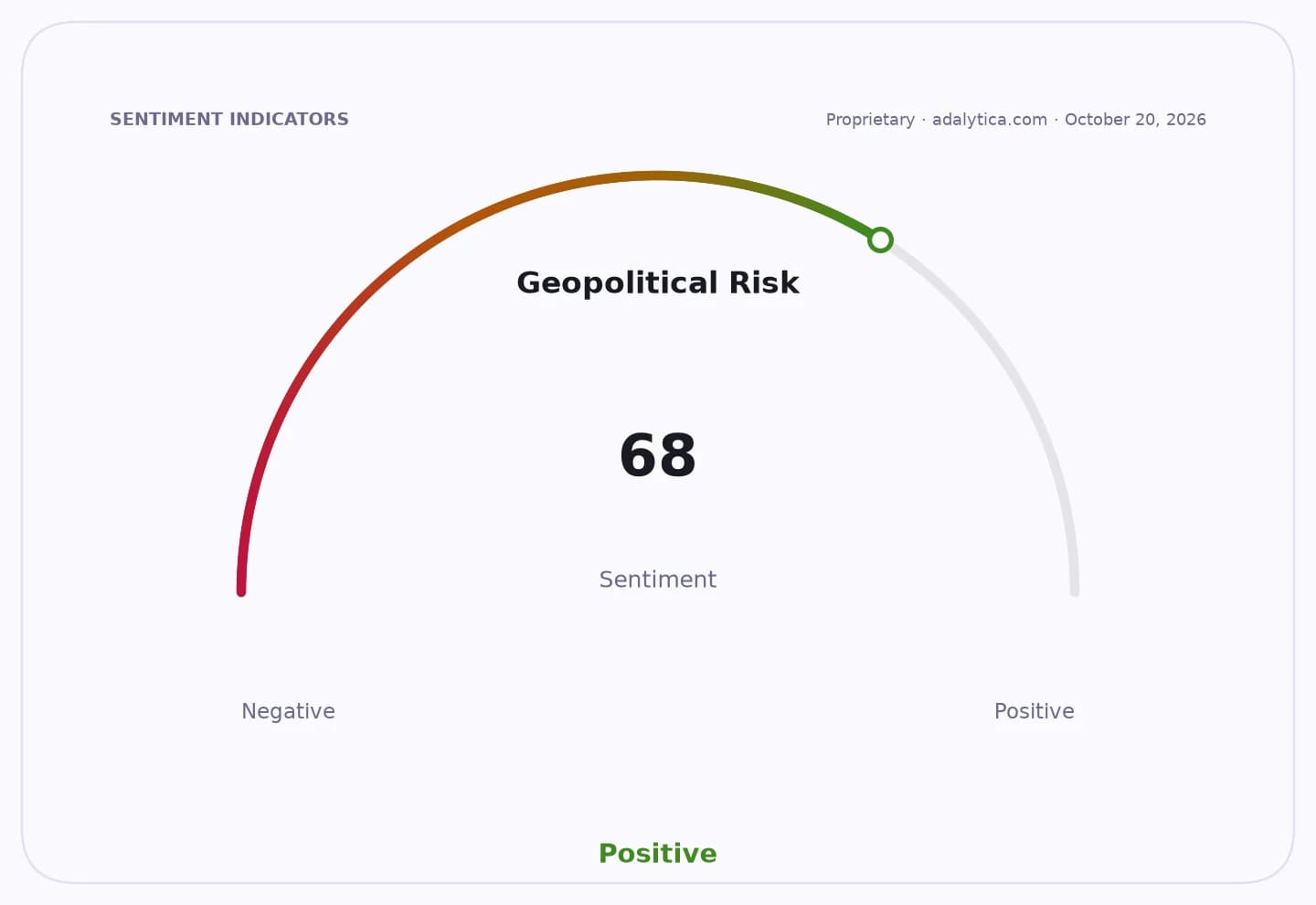
Sentiment IndicatorsⓘProprietary · adalytica.com · October 23, 2026
This is a snapshot — live sentiment, awareness and momentum for 130+ markets update continuously in the dashboard.Open AlphaPulse
The latest two transactions, completed Sept. 30, added 9.336 billion meticais, or 129.7 million euros, bringing the year’s total to 58.4 billion meticais across 14 issuances, according to data from the Mozambique Stock Exchange. The two new six-year bonds mature in September 2032 and carry a fixed coupon of 13.25%, a high rate that reflects the cost of borrowing in a market where investors demand compensation for sovereign risk and inflation uncertainty.
One of the deals, OT-2026 — 13.ª Série, raised 7.288 billion meticais to exchange outstanding 2022 bonds, while the other, OT-2026 — 14.ª Série, took in 2.048 billion meticais to refinance residual liabilities from earlier swap operations, including principal and accrued interest. In other words, Mozambique is actively rolling debt rather than allowing a wall of maturities to hit the budget at once.
The pace is striking. The 2026 total already exceeds the 34.65 billion meticais placed in all of 2025, suggesting the government has made liability management a central financing tool this year. The Ministry of Finance’s program calls for 18 Treasury bond issuances worth 34.2 billion meticais, plus nine swap operations valued at 45.7 billion meticais, and the legal framework allows “neutral” transactions that do not count against the issuance ceiling.
For investors, the story is two-sided. The high coupon makes these bonds attractive on a nominal basis, but the bigger investment question is sovereign risk: whether Mozambique can keep refinancing at scale without eventually pushing borrowing costs even higher. That is why the domestic bond market, the fiscal authorities and banks holding these securities are all linked to the same macro trade.
The broader implication is that Mozambique is trying to replace a refinancing problem with a duration problem. Longer maturities reduce near-term pressure, but they also lock in expensive funding for years. If growth, revenue collection and reform momentum fail to improve, the cost of this strategy could compound quickly.
For now, the message is clear: Mozambique is keeping its financing machine running, and the domestic Treasury bond market is becoming the government’s most important pressure valve. Investors should watch whether the swap program stabilizes the maturity profile — or simply delays a larger debt reckoning.
| Entity | Gains | Losses |
|---|---|---|
| Mozambique government | ▲More time to repay debt | ▼Higher long-term interest burden |
| Domestic bond investors | ▲13.25% fixed coupon | ▼Sovereign credit risk |
| Short-dated bondholders | ▲Exchange into longer maturities | ▼Immediate repayment optionality |
| Public finances | ▲Smoother amortization schedule | ▼Less room for new spending |