Paraguay’s planned reopening of Treasury bonds due in 2030 and 2035 next Wednesday will test demand for sovereign debt at a time when global yields remain elevated and local financing costs are under renewed scrutiny.
Paraguay to Reopen 2030 and 2035 Treasury Bonds
The Ministry of Economy and Finance is returning to the capital market with an auction of two existing bond lines rather than a fresh issue, a move that typically helps build liquidity around benchmark securities while giving the government access to funding without changing the original terms of the notes. For Paraguay, the timing matters: the sale will reveal what investors now require to lend to the state for four and nine years, effectively setting a pricing reference for both public borrowing and private issuance in the domestic market.
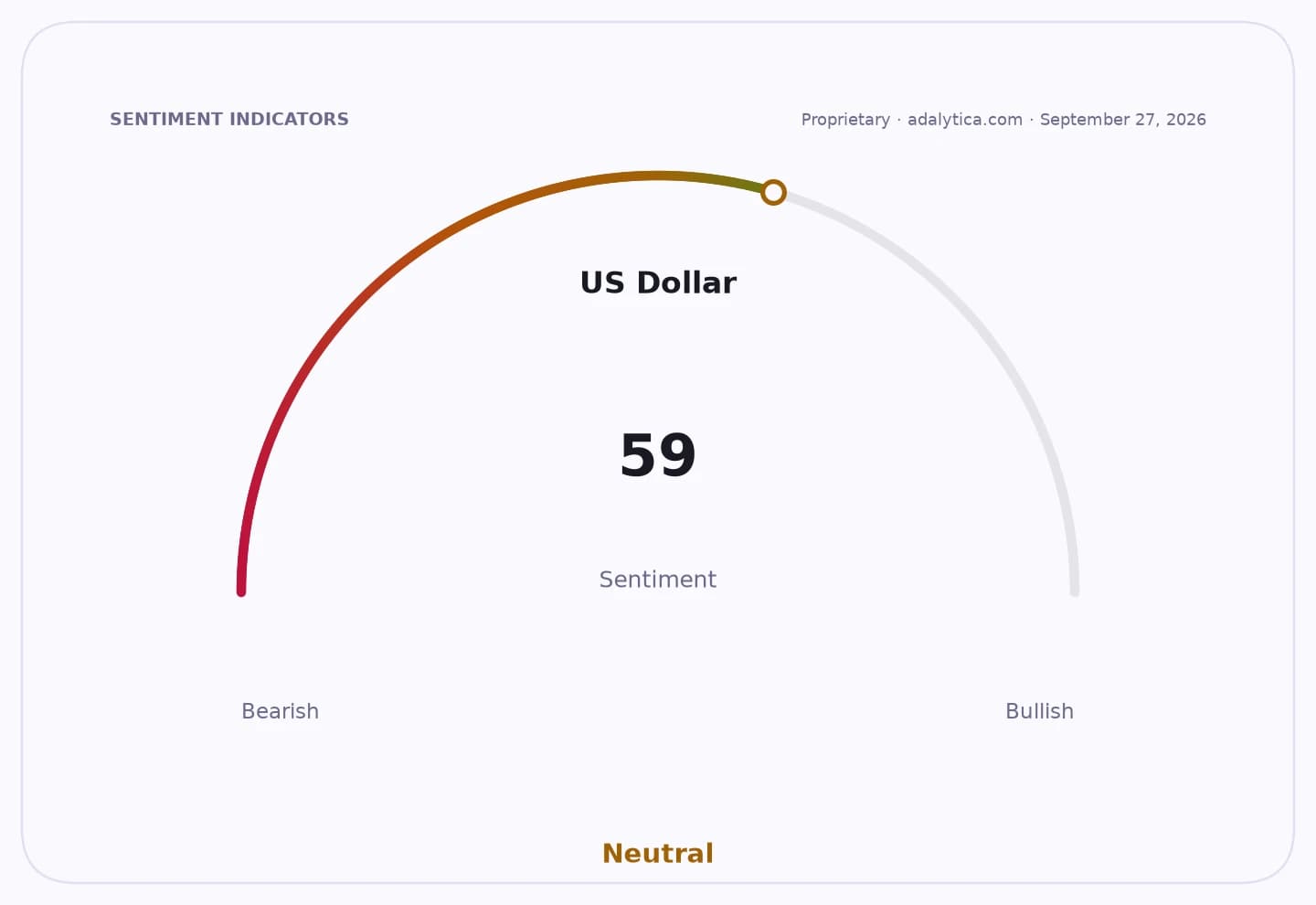
Sentiment IndicatorsⓘProprietary · adalytica.com · September 29, 2026
This is a snapshot — live sentiment, awareness and momentum for 130+ markets update continuously in the dashboard.Open AlphaPulse
That makes the transaction economically important beyond the government’s immediate cash needs. A reopening can smooth the state’s debt calendar and support budget financing, but the accepted yield will also show whether Paraguay can continue to borrow on relatively orderly terms as regional fixed-income markets contend with volatile U.S. rates. In the context of Treasury yields that remain near multiyear highs, sovereign issuers across emerging markets have had to pay closer attention to maturity selection and investor appetite.
The auction will also be read as a gauge of liquidity in Paraguay’s local institutional investor base. Banks, pension funds and other domestic buyers have been key to sovereign placements in the past, and the depth of bids will indicate how much balance-sheet room those investors still have to absorb government paper. Strong participation would suggest stable demand for Paraguayan risk and help anchor future borrowing costs; a weak outcome would imply the government may need to offer richer returns, potentially lifting funding costs across the curve.
For investors, the reopening offers a clean signal on credit sentiment rather than a new policy shift. The 2030 line will be watched as the shorter anchor of the curve, while the 2035 bond will show how much premium buyers demand for duration in a market where risk-free rates and global risk appetite continue to move around. The result should also influence secondary-market trading by tightening or widening the spread between Paraguay’s sovereign curve and comparable regional issuers.
The broader narrative is that Paraguay is trying to keep its funding program predictable while conditions in global fixed income remain unsettled. If demand is solid, the government can reinforce confidence in its debt management strategy and improve liquidity in its benchmark bonds. If not, the reopening will underscore the higher hurdle sovereign borrowers face in a market still ruled by expensive money and selective investors.
| Entity | Gains | Losses |
|---|---|---|
| Paraguay MEF | ▲Fresh funding access | ▼Higher borrowing cost if demand is weak |
| Domestic banks and funds | ▲New sovereign paper to buy | ▼Lower returns if yields compress |
| Bondholders in 2030/2035 lines | ▲More liquid benchmark issues | ▼Price dilution from larger supply |
| Government budget | ▲Smoother financing calendar | ▼Tighter room if auction clears poorly |