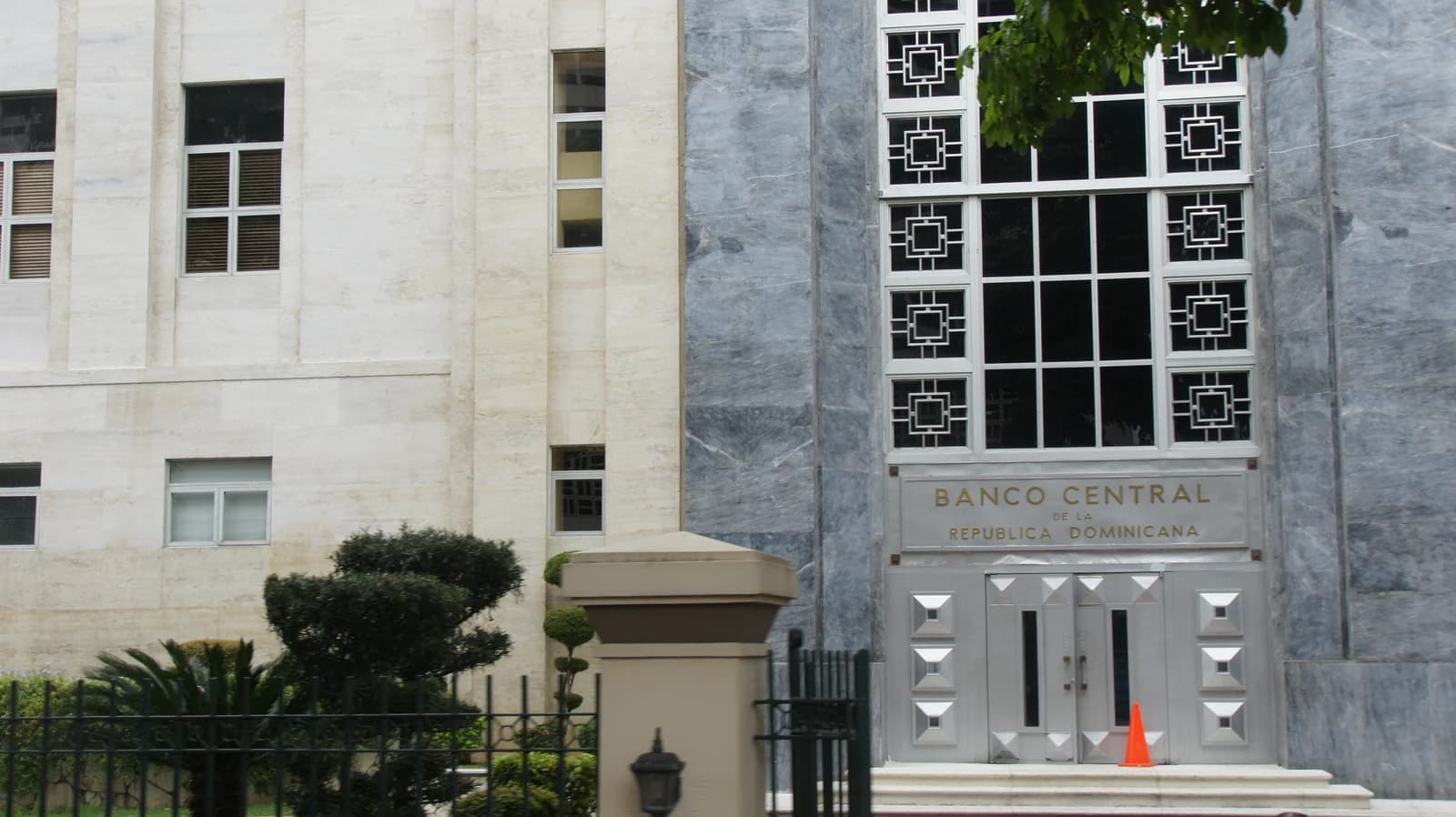
The Dominican Republic has tapped international markets for $1.6 billion in fresh debt, using the proceeds to buy back near-term bonds and stretch its repayment calendar nearly a decade further, a move that lowers refinancing pressure and signals investors still see the country as a relatively steady credit in emerging markets.
Dominican Republic sells $1.6 billion bond, buys back debt
That matters because debt management, not just borrowing, is often what separates a manageable sovereign balance sheet from a crisis-prone one. By retiring $1.385 billion of notes due in January 2027 and replacing them with a new global bond due in March 2039, Santo Domingo is reducing the risk that a wall of maturities will collide with an unfavorable market backdrop. Governments and investors alike care about that kind of smoothing: it gives the finance ministry more room to budget, and it gives bondholders more confidence that the state can meet obligations without scrambling for cash at the wrong time.
The deal also came at a stronger-than-expected reception. Investors placed $6.54 billion of orders for the new bond, more than four times the amount sold, while demand for the bonds being bought back reached 81.5% of the outstanding principal after the offer was announced on Sept. 15. In sovereign debt markets, that kind of oversubscription usually means the issuer can refinance on workable terms, and it often helps validate the country’s access to international capital even when global borrowing costs remain elevated.
The new 2039 bond carries a 6.85% coupon, above the 5.95% coupon on the 2027 notes being retired, which reflects both the longer maturity and the fact that investors still require a premium for holding emerging-market debt over a much longer horizon. Even so, the transaction trimmed the spread on the new issue to 181 basis points from 349 basis points on the original bonds, a sign that the market is assigning the Dominican Republic a better risk profile than it did when those securities were first sold in 2017.
For long-term investors, the message is straightforward: the Dominican Republic is trying to lock in financing on a more stable footing, and the market is cooperating. That is constructive for the sovereign’s credit story, for local financing conditions, and for holders of emerging-market debt who want countries with growing economies and improving access to capital rather than those constantly rolling short-term obligations.
The bigger question is whether the country can keep that confidence by preserving growth, fiscal discipline, and foreign-currency liquidity over time. If it can, this kind of liability management can become a powerful habit: fewer refinancing scares, more flexibility, and a lower chance that debt service becomes an economic drag. For investors, that makes the Dominican Republic worth watching as a credit story that is trying to mature on its own terms.
| Entity | Gains | Losses |
|---|---|---|
| Dominican Republic government | ▲Longer debt runway | ▼Near-term refinancing urgency |
| Bond investors | ▲Strong demand, better credit visibility | ▼Lower yield than distressed credits |
| Holders of 2027 bonds | ▲Tender offer liquidity | ▼Early exit from higher-coupon paper |
| Future taxpayers | ▲Smoother repayment profile | ▼Higher long-dated interest burden |