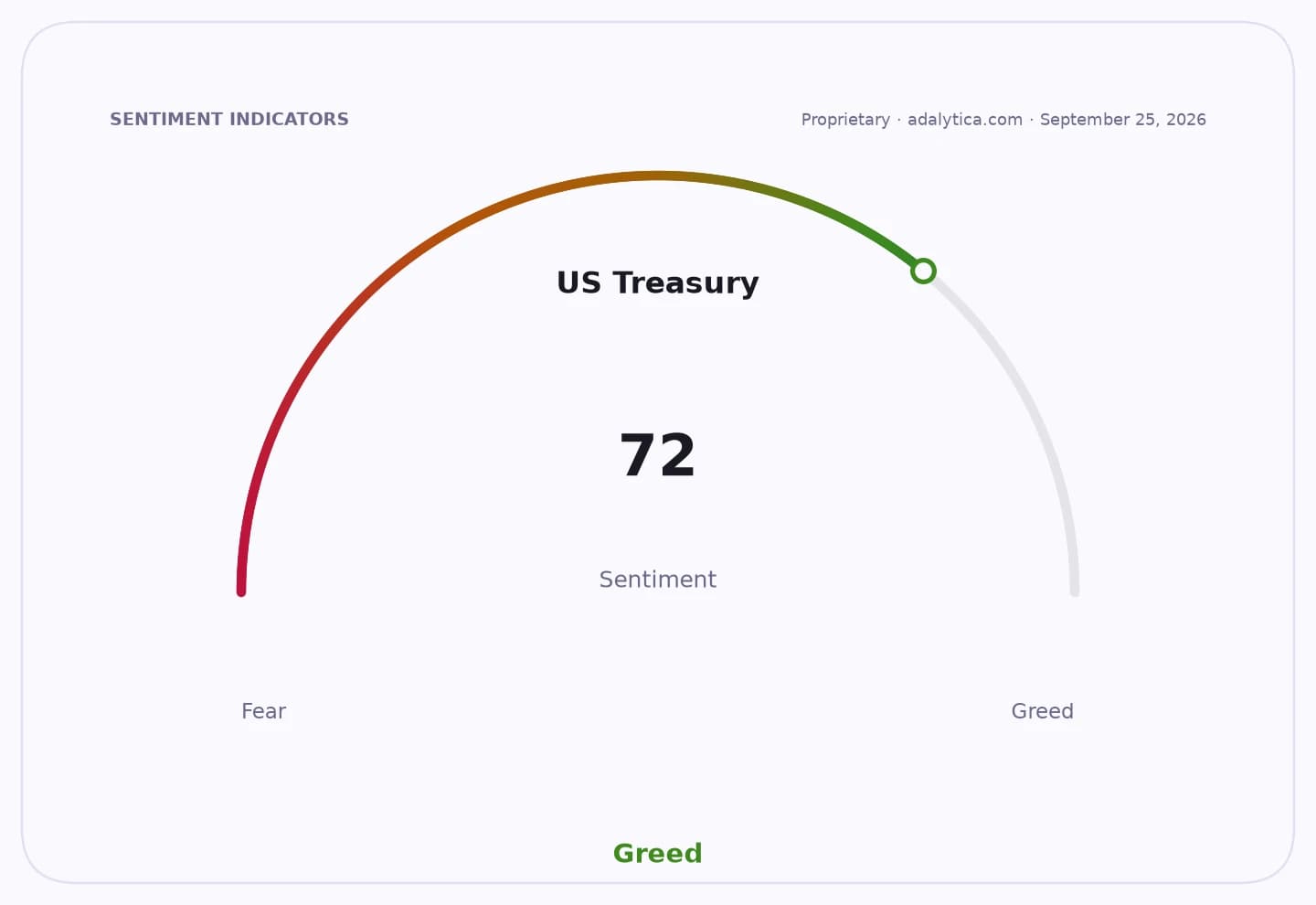
The Global Infrastructure Strategy bond with a 93% minimum repayment at maturity in February 2029 is under pressure as a broader surge in bond yields pushes up the cost of debt and narrows room for error for lower-coupon fixed-income products.
MEGI falls as yields pressure infrastructure notes
That matters because the pricing of capital is no longer benign for infrastructure-linked borrowers and structured notes that rely on stable funding conditions. As 10-year yields climb past 4% and, in some markets, approach levels not seen in two years, investors are repricing credit and extension risk rather than simply collecting carry. For instruments tied to an underlying asset such as the Global Infrastructure Strategy, the key question is less whether the bond will still pay something at maturity — the 93% floor offers that protection — and more whether the market value can be sustained before then.
The note’s payout depends on the performance of the reference asset, which means the bond behaves more like a hybrid between debt and equity exposure than a plain vanilla security. In a rising-yield environment, that structure becomes more fragile: investors demand more compensation for tying up capital through 2029, while issuers face a more expensive backdrop if they need to refinance or hedge. The result is weaker secondary-market pricing even when the minimum redemption feature limits the worst-case loss.
Recent trading data show the pressure clearly. MEGI, the listed infrastructure strategy linked in the pricing context, has fallen to 13.38 from 15.10 in August, with the 50-day moving average now above the spot price and RSI readings down to 16.4, a technically oversold level. That drop suggests investors are reducing exposure to infrastructure vehicles as rates reset higher and growth-sensitive assets lose relative appeal. NXG, another infrastructure-linked name, has also eased from recent highs, though it remains better supported than MEGI, indicating the selloff is not uniform but is affecting the asset class broadly.
For investors, the appeal of a 93% minimum repayment is that it can blunt the downside in a volatile market. The risk is that the floor may not offset mark-to-market losses if the underlying strategy weakens further or if rates keep rising, compressing valuations across the sector. In that sense, the bond is a good test of the market’s current hierarchy: capital preservation still has value, but not enough to immunize investors from duration risk, credit sensitivity and falling appetite for structured exposure.
The broader narrative is that the bond market is shifting from a low-rate regime, where structured repayment features could be sold as comfort, to one where the underlying rate environment dominates pricing. If yields stay elevated, infrastructure-linked notes and funds may keep underperforming, while issuers with stronger balance sheets and shorter refinancing needs should hold up better. If the Fed’s restrictive stance persists, the 2029 maturity floor will matter, but so will the path there.
| Entity | Gains | Losses |
|---|---|---|
| Investors in 93% floor notes | ▲downside protection | ▼upside participation |
| Issuers/structurers | ▲funding access | ▼higher refinancing costs |
| Infrastructure funds (MEGI, NXG) | ▲long-term income appeal | ▼near-term valuation pressure |
| Cash and short-duration assets | ▲better relative yield | ▼less price upside |