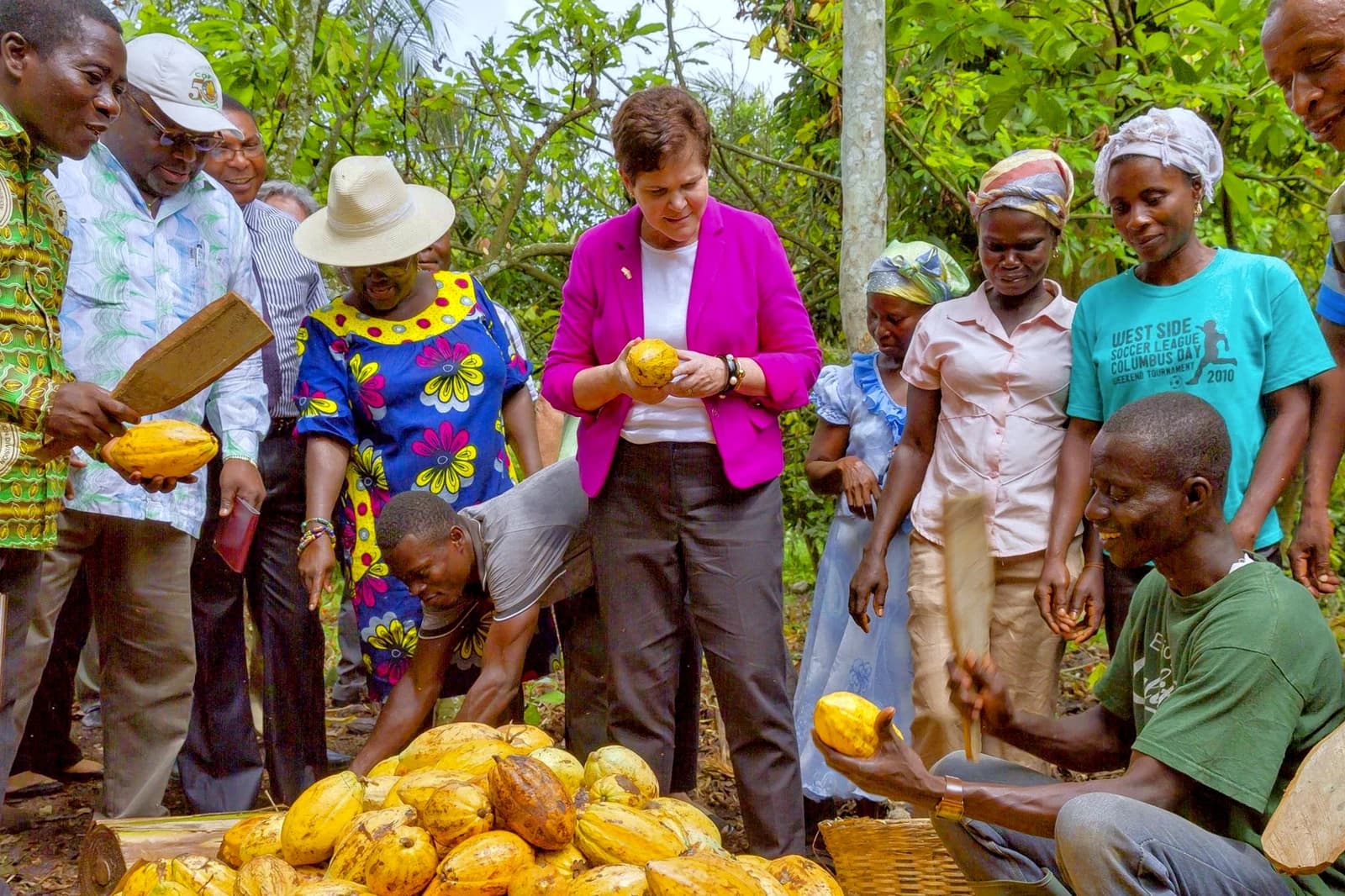
MrBeast has turned his biggest philanthropy push into a $10 million economic intervention in Ghana, building a self-sustaining village aimed at keeping children out of illegal cocoa labour and into school.
MrBeast Builds Ghana Cocoa Anti-Child-Labor Village
The project matters because it moves beyond one-off charity and into the infrastructure of supply-chain reform. By funding homes, a school, water and power for Abna Dakwa Village, the YouTube creator is trying to change the economics that keep children working on plantations: if families have access to basic services, and if children can study locally, the cost of sending them to school falls while the incentive to keep them in the fields weakens.
That is why the initiative resonates well beyond social media. Ghana is one of the world’s key cocoa suppliers, and child labour remains a persistent reputational and regulatory risk for chocolate makers and ingredient buyers. MrBeast’s criticism of large confectionery groups also puts pressure on brands that rely on complex, hard-to-audit farming networks. For companies such as Feastables, the project is not just public relations; it is a signal that consumer-facing brands may increasingly be judged on how directly they address ethical sourcing in origin countries.
The scale is notable. The village took eight months to build, was developed with Feastables and supported by the Rockefeller Foundation, and includes 10 free homes for teachers, an independent energy and water supply, and a school able to educate 300 children. Meals will be provided free for five years. Ten creators also travelled to Ghana to support the effort, widening the campaign’s reach far beyond a single donation.
For investors, the broader implication is that social and environmental accountability is becoming a harder commercial variable to ignore. Chocolate groups, cocoa buyers and consumer brands face growing scrutiny over whether their sourcing claims can withstand public pressure, NGO campaigns and possible regulatory tightening. Projects like this do not solve systemic labour issues on their own, but they can shape consumer sentiment, brand equity and the cost of non-compliance for firms exposed to West African supply chains.
The bullish case is that visibility from a creator with more than 500 million subscribers can accelerate action where traditional advocacy has moved slowly. The bearish case is that a single high-profile village, however expensive, cannot substitute for deeper reforms in farm incomes, education access and enforcement. For investors, the real watch item is whether this kind of direct intervention becomes a template for brands trying to de-risk cocoa sourcing — or a sign that the gap between marketing claims and supply-chain reality is still too wide.
| Entity | Gains | Losses |
|---|---|---|
| MrBeast / Feastables | ▲Brand equity | ▼Critics of performative charity |
| Ghana children / families | ▲Schooling and services | ▼Child labour networks |
| Chocolate makers | ▲Pressure to improve sourcing | ▼Reputational risk |
| Investors in consumer brands | ▲Clarity on ESG exposure | ▼Margin pressure from compliance costs |