MrBeast is pushing back against criticism over his nearly $10 million village project in Ghana, arguing that his charity work is not just overseas but also deeply rooted in the U.S. community where he grew up.
MrBeast Defends Ghana Village Project and U.S. Aid
The backlash matters because it highlights a bigger question for high-profile philanthropists: how to balance visible, large-scale giving abroad with local needs at home. For investors watching the creator economy, MrBeast’s response underscores that his brand is no longer just about viral entertainment. It is increasingly tied to a broader, mission-driven operation that can support audience loyalty, sponsor interest and long-term monetization.
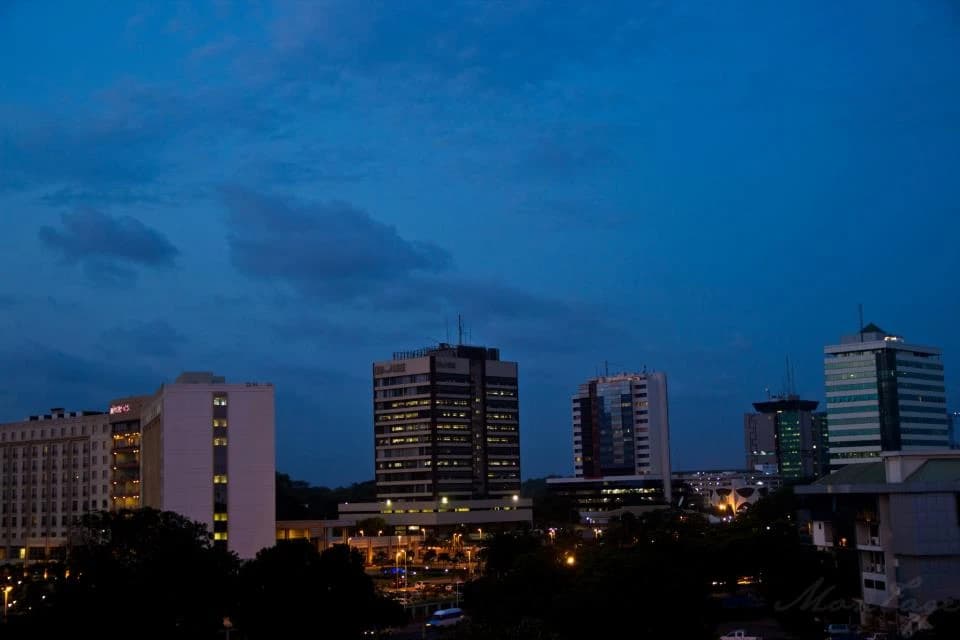
The project, called Abna Dakwa Village, is designed to help families affected by child labour in cocoa-growing communities in Ghana’s Eastern Region. It includes a school for more than 300 children, housing for teachers, a medical clinic, clean water, solar power, agricultural facilities and a marketplace. That is the kind of investment that goes beyond a one-off donation and looks more like infrastructure spending with a social return.
Donaldson said the criticism missed the scale of his U.S. giving. His Beast Philanthropy nonprofit says its Greenville-based pantry has delivered more than 48 million meals and over 60 million pounds of food, serving more than 20 communities in Eastern North Carolina and providing about 80,000 meals a month. In other words, the Ghana project is not an isolated act of generosity but part of a larger, multi-country philanthropic machine that Beast Philanthropy says now operates in more than 25 countries.
That matters economically because philanthropy at this scale affects real resources: schools, nutrition, healthcare access and labor outcomes. In Ghana, the project is aimed at keeping children out of illegal work and in education, with Beast Philanthropy saying it has more than 10,000 direct beneficiaries and a minimum five-year commitment. The partnership with the Rockefeller Foundation on school meals in Ghana and Kenya adds another layer, suggesting this is becoming a more durable development platform rather than a single creator-led stunt.
For investors, the key takeaway is that MrBeast has turned social impact into part of his competitive moat. He has already acknowledged that humanitarian videos tend to draw less engagement than his entertainment clips, which shows he is willing to sacrifice short-term views for long-term brand value. That is often what separates a fleeting internet personality from a durable media franchise: trust, repeat attention and a clear identity beyond the next upload.
There are risks, of course. Public scrutiny can intensify when creator-led businesses spend heavily on causes that are hard to measure in a single quarter. But the broader narrative is constructive. If Donaldson can keep translating audience scale into philanthropy, he strengthens both the social mission and the commercial brand. For long-term investors in the creator economy, that makes Beast Philanthropy worth watching closely.
| Entity | Gains | Losses |
|---|---|---|
| MrBeast / Beast Philanthropy | ▲Brand trust and mission-driven reach | ▼Criticism over spending priorities |
| Ghana communities | ▲Schools, clinics, clean water, meals | ▼Reliance on outside philanthropy |
| Greenville, North Carolina communities | ▲Ongoing local meal support | ▼Perceived crowding-out concerns |
| Child labor advocates | ▲More resources for education | ▼Slow, complex execution risks |