Employers and job seekers in Turkey’s Muğla province are getting a more direct route to each other as the city’s public employment offices deepen ties with local business groups, a small but practical move that can trim hiring friction for businesses and shorten the search for workers.
Muğla employment offices expand chamber hiring ties

The Muğla employment offices, run under the Muğla Metropolitan Municipality and authorized by Turkey’s labor agency, have signed cooperation deals with the Muğla Chamber of Commerce and Industry and the Bodrum Chamber of Commerce. The aim is straightforward: get vacancies in front of more candidates, push employers toward a single hiring platform, and broaden access to free recruitment services across the region.
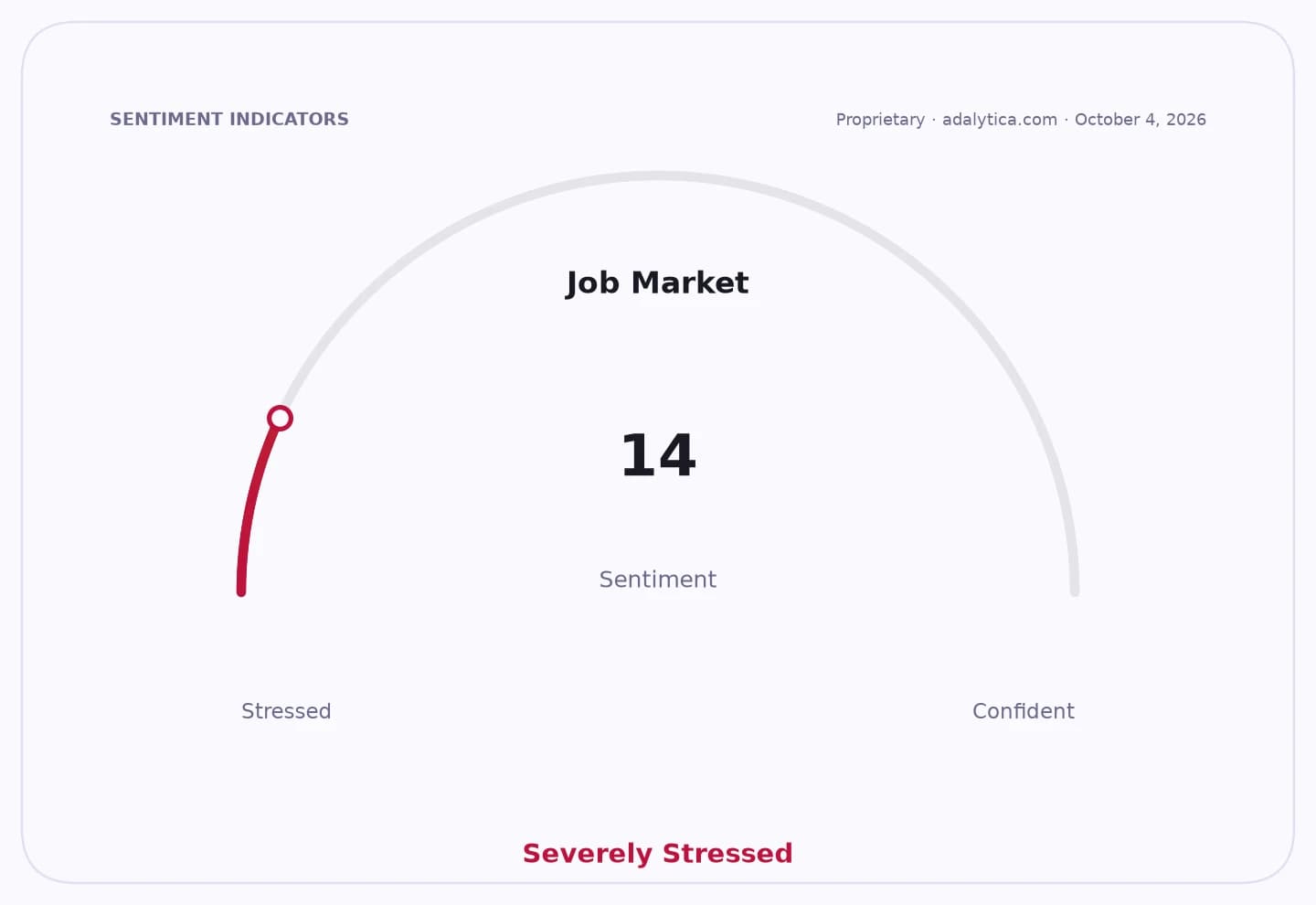
Sentiment IndicatorsⓘProprietary · adalytica.com · October 4, 2026
This is a snapshot — live sentiment, awareness and momentum for 130+ markets update continuously in the dashboard.Open AlphaPulse
That matters economically because labor matching is often a hidden cost for small and mid-sized companies. When openings sit unfilled, businesses lose time, sales and productivity. When workers struggle to find suitable jobs, local income growth slows and unemployment can stay sticky even when headline labor-market conditions look stable. Better matching can improve the efficiency of the labor market without requiring a big increase in total hiring.
For Muğla, a province heavily exposed to tourism and seasonal demand, the timing is useful. Local employers often need to hire quickly and in volume, while job seekers need faster access to openings that fit a changing skills mix. By placing member companies’ job ads on Muğla’s employment website and promoting the service through chamber communication channels, the offices are trying to reduce the gap between available labor and immediate demand.
The model is also notable because it is free. Employers can post vacancies at no cost, while job seekers can register, upload résumés and apply for positions online. That lowers one of the most obvious barriers for smaller firms, which often lack dedicated human resources teams, and gives workers a broader, more organized way to search than relying on informal networks alone.
Investors should care because labor-market plumbing is a leading indicator for broader economic health. When regional hiring systems improve, they can support consumption, reduce labor shortages and help local businesses operate more efficiently. That is especially relevant for service-heavy economies where staffing shortages can cap revenue growth more than weak demand does.
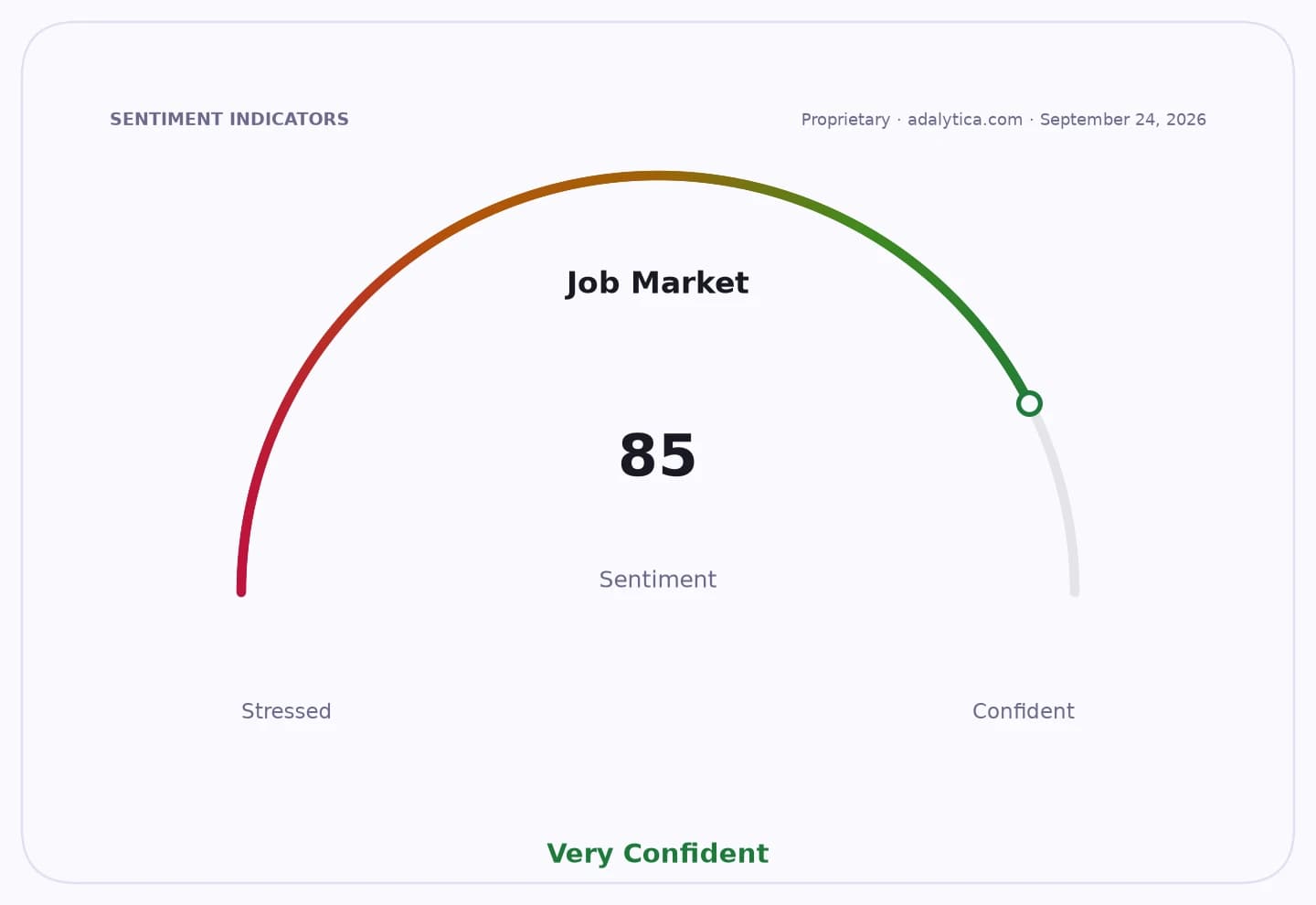
The wider backdrop remains a labor market that is still cooling in some places but not collapsing. In the U.S., for example, job openings have eased from prior peaks while payrolls continue to expand, underscoring a shift from labor scarcity toward a more balanced market. At the same time, job-market sentiment has deteriorated sharply in recent readings from Adalytica.com, which points to rising caution among workers even as awareness of hiring opportunities stays elevated.
That combination makes regional platforms and local partnerships more important. Big-name résumés no longer guarantee a quick landing, and workers are increasingly rewarded for adaptability, certifications and practical skills. For employers, the payoff is a wider, more searchable pool of candidates. For job seekers, the benefit is simple: a better chance of finding the right opening before opportunities pass by.
In the long run, Muğla’s move is less about headlines than about execution. If the cooperation between municipalities, chambers and employers keeps vacancies moving and candidates connected, it could become a useful template for other local markets looking to make hiring faster, cheaper and more efficient. Investors watching Turkey’s domestic demand story should see it as a constructive sign for small business activity and local employment resilience.
| Entity | Gains | Losses |
|---|---|---|
| Muğla employers | ▲Faster hiring | ▼Vacancy delays |
| Job seekers | ▲More openings, free access | ▼Reliance on informal search |
| Local chambers / municipality | ▲Stronger labor links | ▼More coordination burden |
| Small businesses without HR teams | ▲Lower recruitment costs | ▼Manual hiring friction |