Mutton prices remain elevated at around ₹1,100 and above in city markets, with tight supply and steady demand keeping rates firm despite broader consumer price pressure. For households, that means meat inflation is lingering; for sellers, it means margins are being protected even as volumes stay constrained.
Mutton prices stay elevated on tight supply
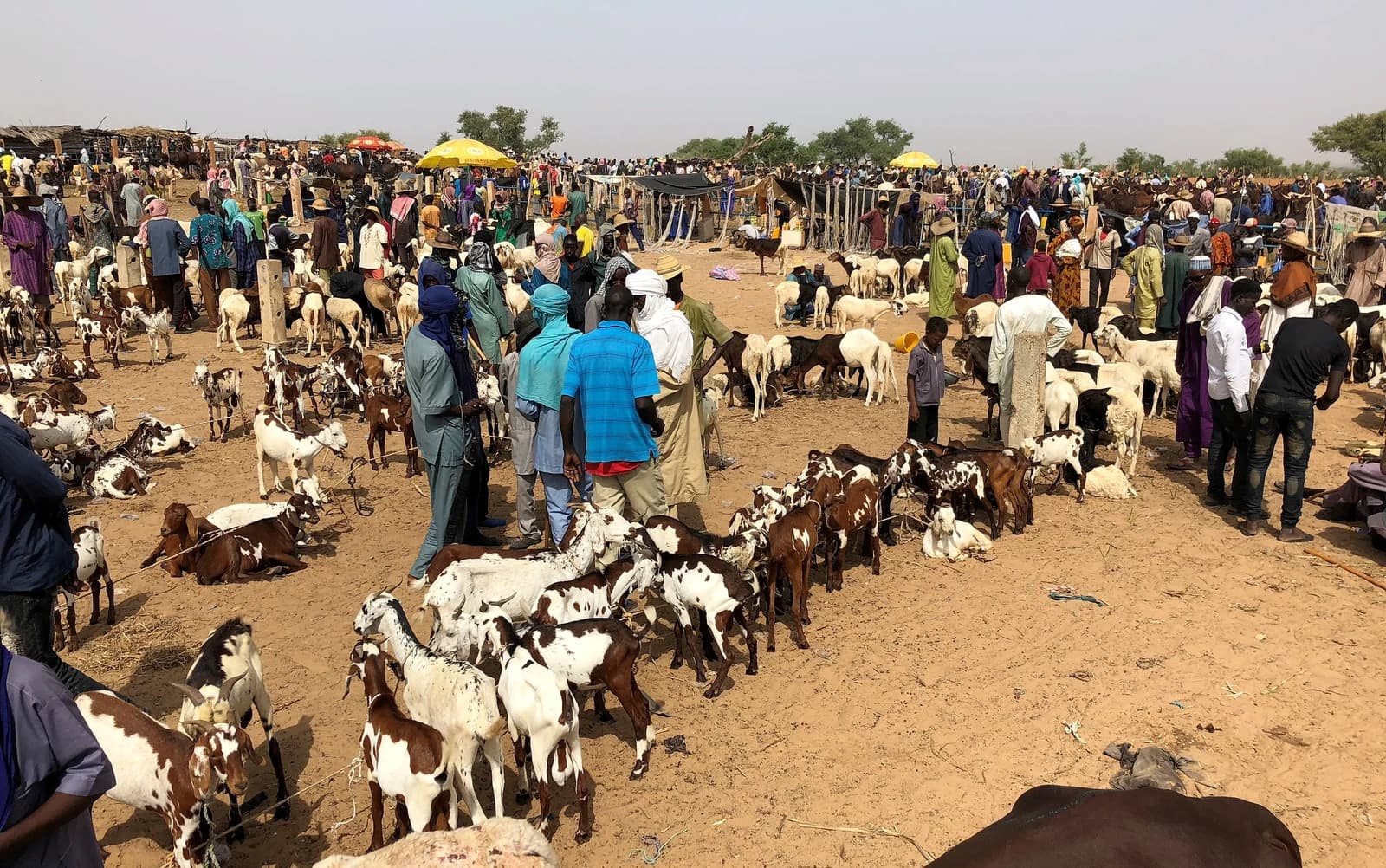
The main driver is the supply-demand imbalance, not a short-lived spike. Traders say mutton availability has not kept pace with urban demand, keeping retail prices anchored at high levels and limiting any meaningful correction even as buyers become more price-sensitive.
That matters economically because mutton is one of the pricier protein staples in many Indian cities, so sustained firmness feeds into food inflation and household budgets. When a product already sits at a premium, even small supply disruptions can keep prices sticky, especially in markets where consumers are reluctant to switch away from preferred cuts and breeds.
The pricing backdrop also reflects a broader pattern in India’s meat market, where supply chains are fragmented and weather, transport costs and livestock availability can quickly tighten local markets. Unlike mass-market staples, mutton has less room for rapid scaling, so retail prices often respond slowly to demand changes.
For investors, the takeaway is that persistent strength in meat prices can support revenue realization for integrated protein businesses and organized processors, even if consumer resistance caps volume growth. Shares of packaged food and animal protein companies tend to track whether higher input costs can be passed on or absorbed, with pricing power the key variable.
In that context, Tyson Foods and other global protein players are seen through the same lens: firm end-market pricing can help offset volatility in livestock and logistics costs, but only if demand holds. The next catalyst for the sector will be whether supply improves enough to ease retail prices, or whether festival demand, weather and transport bottlenecks keep mutton expensive into the next market cycle.
| Entity | Gains | Losses |
|---|---|---|
| Butchers and retailers | ▲Higher billing per kg | ▼Slower volume growth |
| Consumers | ▲Little to no gain | ▼Higher household food bills |
| Protein suppliers/processors | ▲Better pricing power | ▼Margin pressure if supply tightens |
| Organized meat brands | ▲Stronger realization potential | ▼Demand loss to cheaper proteins |