The naira’s latest rebound to N1,346.90 per dollar is being driven less by sentiment than by a real surge in market liquidity, with weekly foreign-exchange turnover jumping to $4.5 billion and signaling that dollar supply is finally improving in Nigeria’s tightly watched currency market.
Naira Rebounds as Nigeria FX Turnover Hits $4.5B

That matters because the naira is one of the clearest barometers of Nigeria’s macro credibility. When turnover rises while the currency strengthens, it usually means the market is seeing more willing sellers of dollars, not just a one-off repricing. For an economy that imports fuel, food, machinery and key industrial inputs, even a modestly firmer naira can ease pressure on inflation, reduce hedging costs and give policymakers more room to keep reform momentum intact.
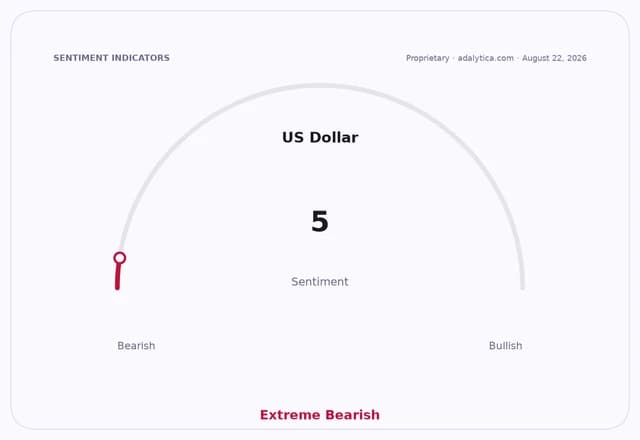
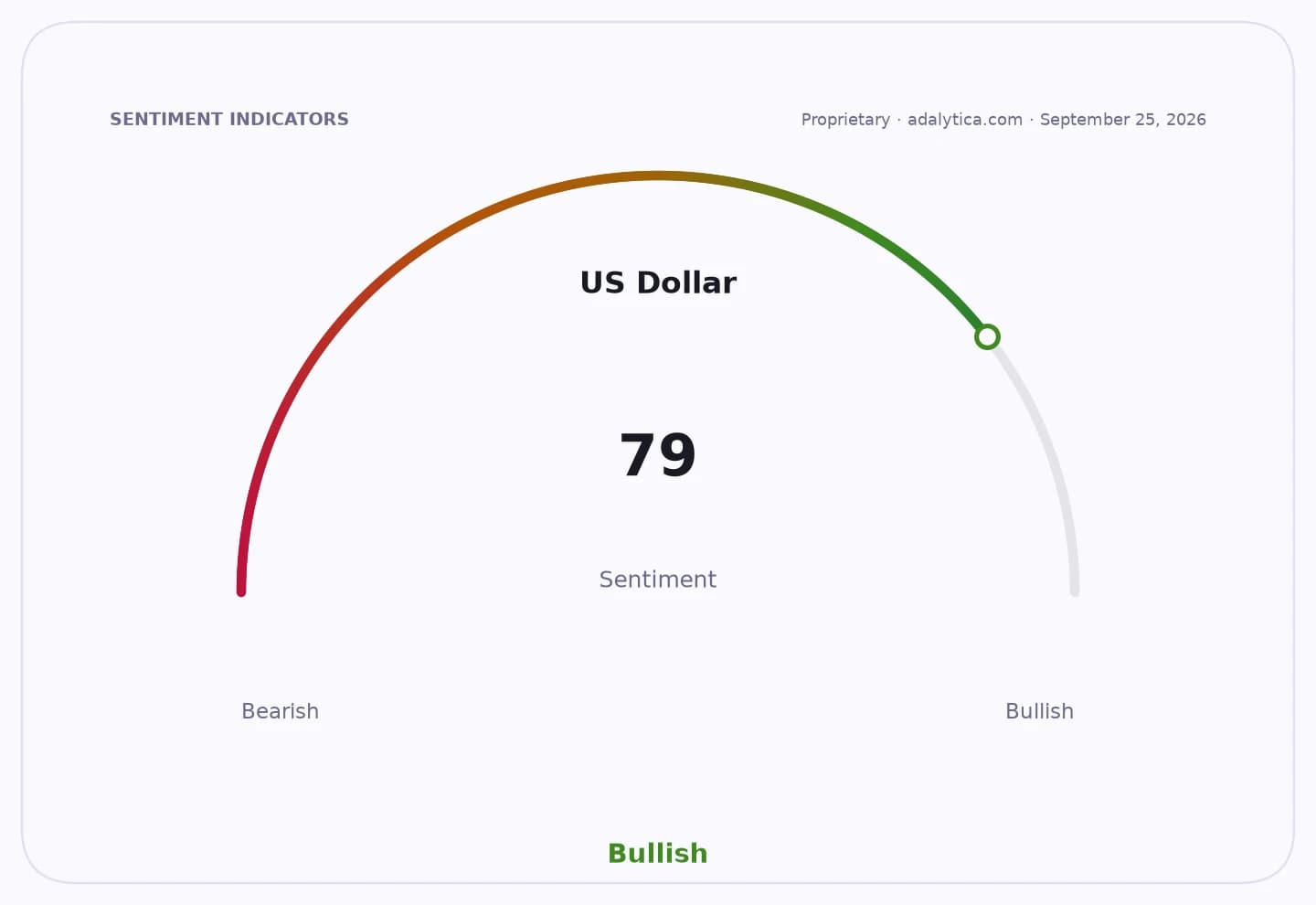
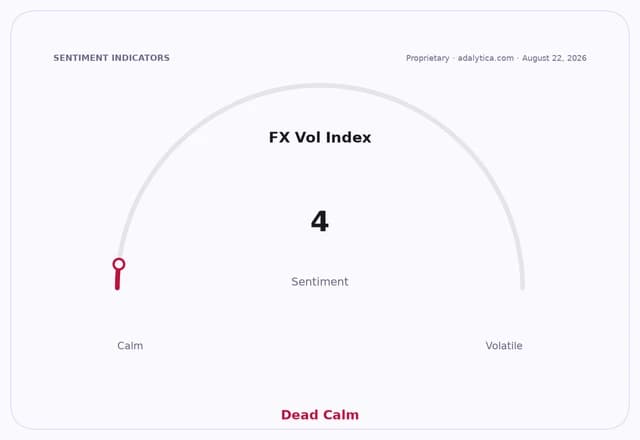
The move also comes against a favorable global backdrop for emerging-market currencies. The U.S. dollar has weakened broadly, and Adalytica’s US Dollar Trade Signals show extreme fear in dollar positioning even as awareness remains elevated, a combination that often precedes further volatility rather than a clean rebound. That backdrop has helped risk-sensitive currencies from Latin America to Eastern Europe, while the naira’s gains suggest Nigeria is finally participating in the same trade rather than lagging it.
Just as important, the improvement in FX turnover points to deeper market function. Nigeria has spent years battling chronic dollar shortages, multiple exchange rates and confidence gaps that pushed importers, companies and investors to sit on the sidelines. A weekly turnover of $4.5 billion is not just a large number; it is evidence that more participants are entering the market, which can narrow spreads, improve price discovery and make the official rate more credible.
For investors, that is the real thesis. A more liquid and more stable naira can be the first step in rerating Nigerian assets, especially banks, consumer companies and domestically focused names that benefit from lower currency volatility. It also improves the odds that foreign portfolio investors will return with more conviction, because currency convertibility and exit confidence matter as much as equity valuations in frontier markets.
The broader market message is that Nigeria’s currency story is shifting from crisis management to normalization, but only if the FX market keeps deepening. If turnover stays elevated and the naira holds this stronger range, the next phase could be a gradual rebuilding of confidence in local assets, a process that tends to reward early capital more than late money. For now, the trade is clear: watch the FX flows, not just the headline rate, because in Nigeria, liquidity is the catalyst that can turn a currency bounce into a sustained repricing.
| Entity | Gains | Losses |
|---|---|---|
| Naira | ▲Firmer exchange rate | ▼Less immediate pressure |
| Nigerian importers | ▲Lower FX costs | ▼Fewer hedging squeezes |
| Local equities | ▲Confidence rebound | ▼Currency volatility premium |
| Dollar holders | ▲Weaker pricing power | ▼Lower naira upside |