Natural gas producers are emerging as one of the cleaner ways for investors to play the AI buildout, because the same data centers that need more chips also need more power — and gas is still the fastest fuel to fill that gap.
Natural Gas Producers as AI Power Demand Play
That matters because AI is not just a software story anymore. It is becoming an energy story, and that changes who wins in the market. If electricity demand keeps rising faster than new wind, solar and transmission can be built, gas-fired generation is likely to do a lot of the heavy lifting. For investors, that gives natural gas stocks a second engine of demand: not only industrial and export growth, but also the electricity load created by AI.
Sentiment Indicators
Natural Gas
The price action has started to reflect that thesis. UNG, the natural gas ETF, has been volatile, but its recent swings show just how quickly traders are revaluing the fuel around weather, storage and demand expectations. Meanwhile, the broader energy complex has stayed firm: XLE closed at 67.25 on Nov. 2, well above its 50-day moving average of 64.86 and 200-day average of 58.25, while XOP ended at 193.56, also above both its 50-day and 200-day moving averages. That tells investors the market is still willing to pay for energy exposure, especially in a world where power demand is becoming harder to satisfy cheaply.
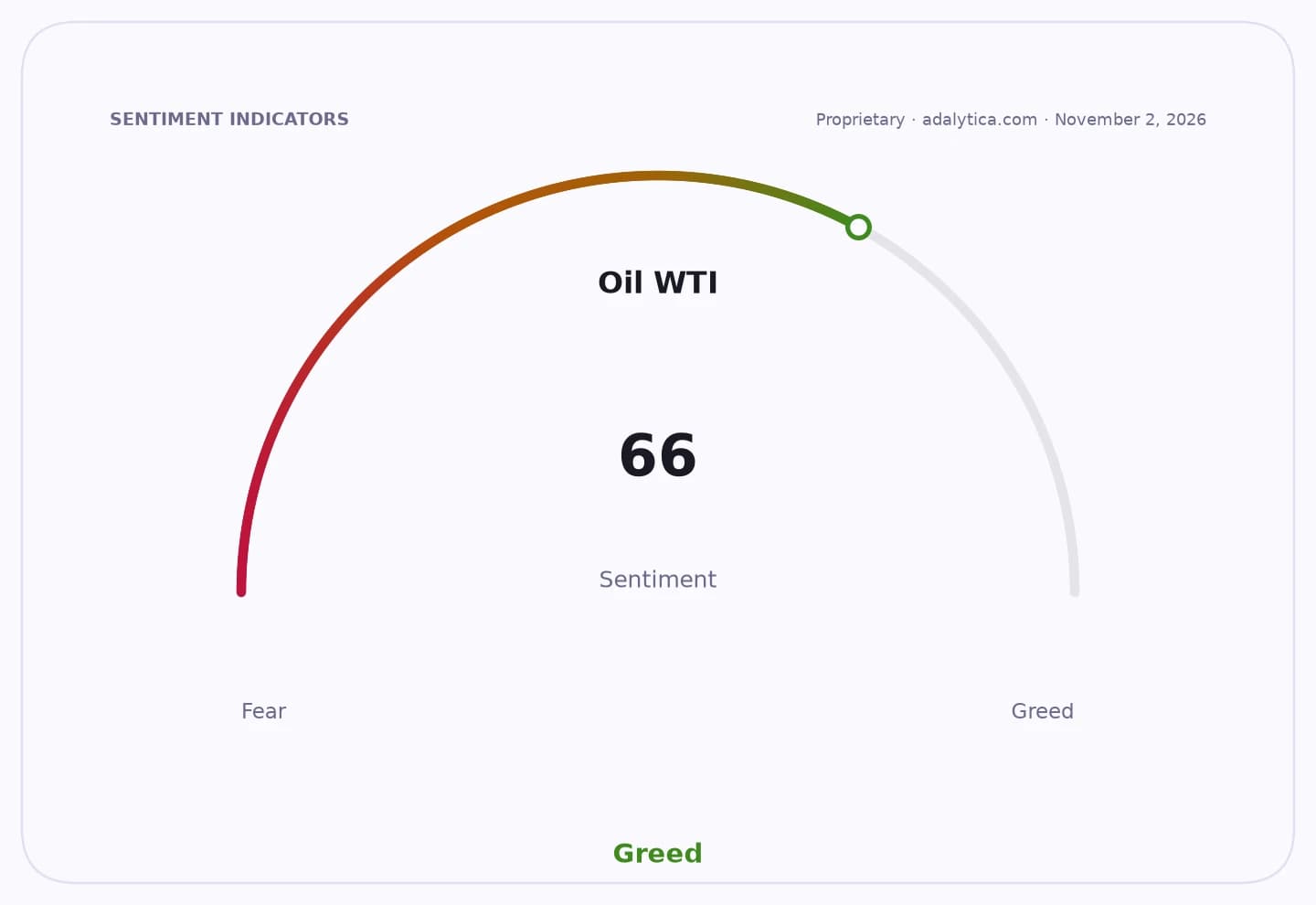
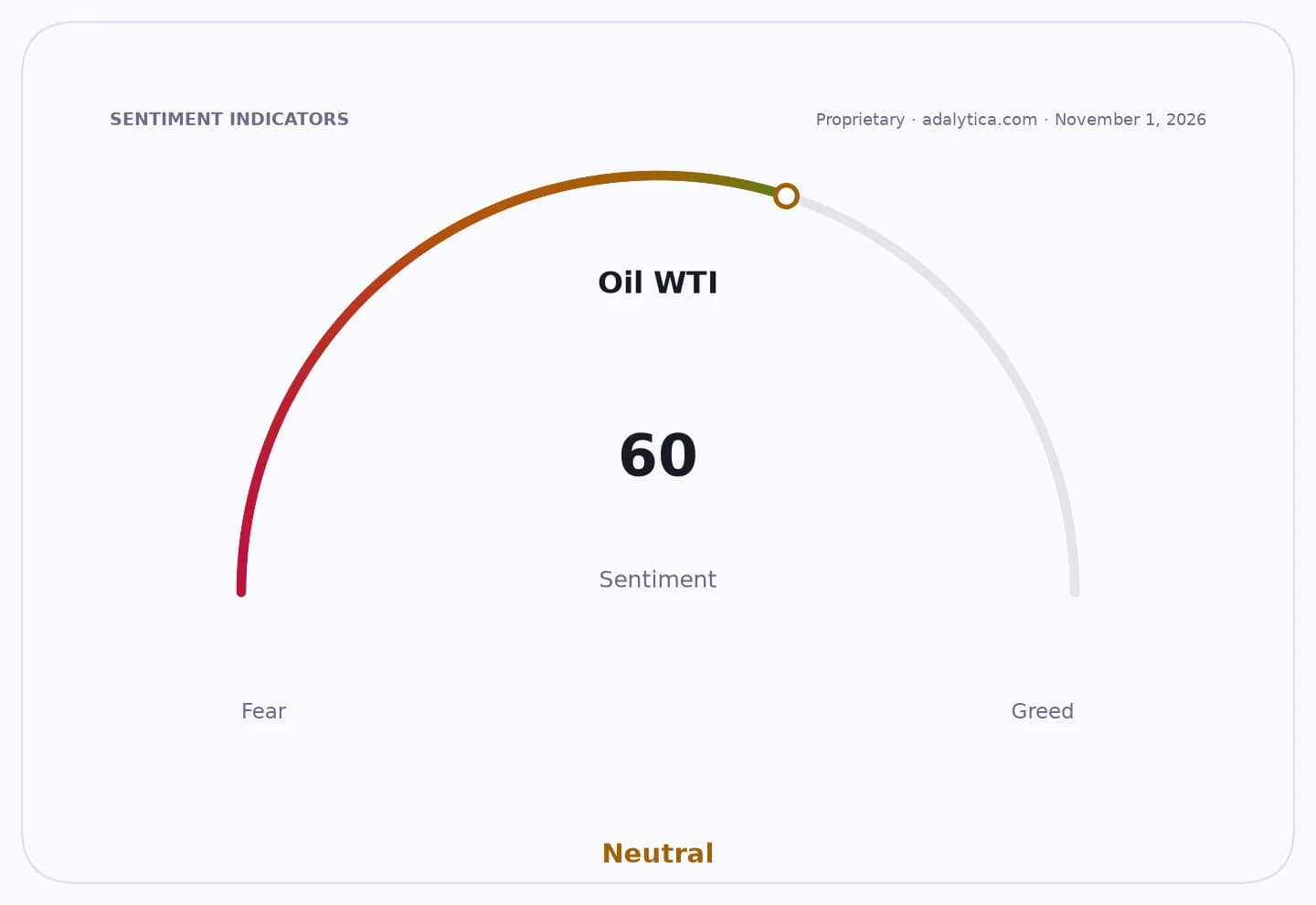
The fundamental case is straightforward. U.S. inflation data still shows energy costs mattering for the broader economy, and commodity moves can ripple into everything from utilities to manufacturing. WTI crude has been volatile, with prices near $105 a barrel in late October, reminding investors that energy markets can tighten fast when supply and demand get out of balance. Natural gas is different from oil, but the same lesson applies: when demand surprises to the upside, producers with reserves, infrastructure and disciplined capital spending can see outsized cash-flow upside.

The corporate filings back that up. Range Resources said longer-term natural gas futures remain constructive on expectations for continued LNG export expansion. EQT pointed to strategic production curtailments in the third quarter and more curtailments expected in the fourth quarter, a sign that producers are trying to manage supply rather than flood the market. That kind of discipline is exactly what can support prices if AI-related electricity demand keeps rising alongside LNG exports.
There is a reason investors should think about this over years, not weeks. AI infrastructure is still in the early innings, and the power grid is not ready for the load it will face. That means natural gas is likely to remain a bridge fuel, even as renewables expand. For long-term investors, that makes gas producers and gas-linked ETFs worth watching as an AI hedge: they may not be the flashiest beneficiaries of the boom, but they could be among the most resilient.
The risk, of course, is that gas prices can fall hard when weather softens, production rises or demand disappoints. UNG itself has already shown how quickly momentum can reverse, and some producers will always manage volumes better than others. But if your goal is to own businesses tied to one of the most durable secular themes in markets — the electrification of AI — natural gas stocks deserve a place on the watchlist.
| Entity | Gains | Losses |
|---|---|---|
| Natural gas producers | ▲Higher power demand | ▼Price volatility |
| AI data centers | ▲Reliable electricity supply | ▼Higher energy costs |
| LNG exporters | ▲Stronger gas demand | ▼Tighter domestic supply |
| Long-term investors | ▲Secular demand hedge | ▼Timing the cycle |