Nepal’s move to seek climate compensation after deadly flash floods has pushed one of South Asia’s most vulnerable economies into a broader debate over who pays for climate damage — and India’s response shows how quickly that debate is turning geopolitical.
Nepal Seeks Climate Compensation After Floods
The immediate issue is not just diplomacy. It is the growing financial burden on countries like Nepal, where emissions are negligible but the costs of increasingly violent weather are mounting. With more than 1,200 people dead and thousands still missing after floods and landslides, Kathmandu is effectively arguing that climate change is no longer a future-policy question but an economic liability that should be borne by the biggest historic emitters.
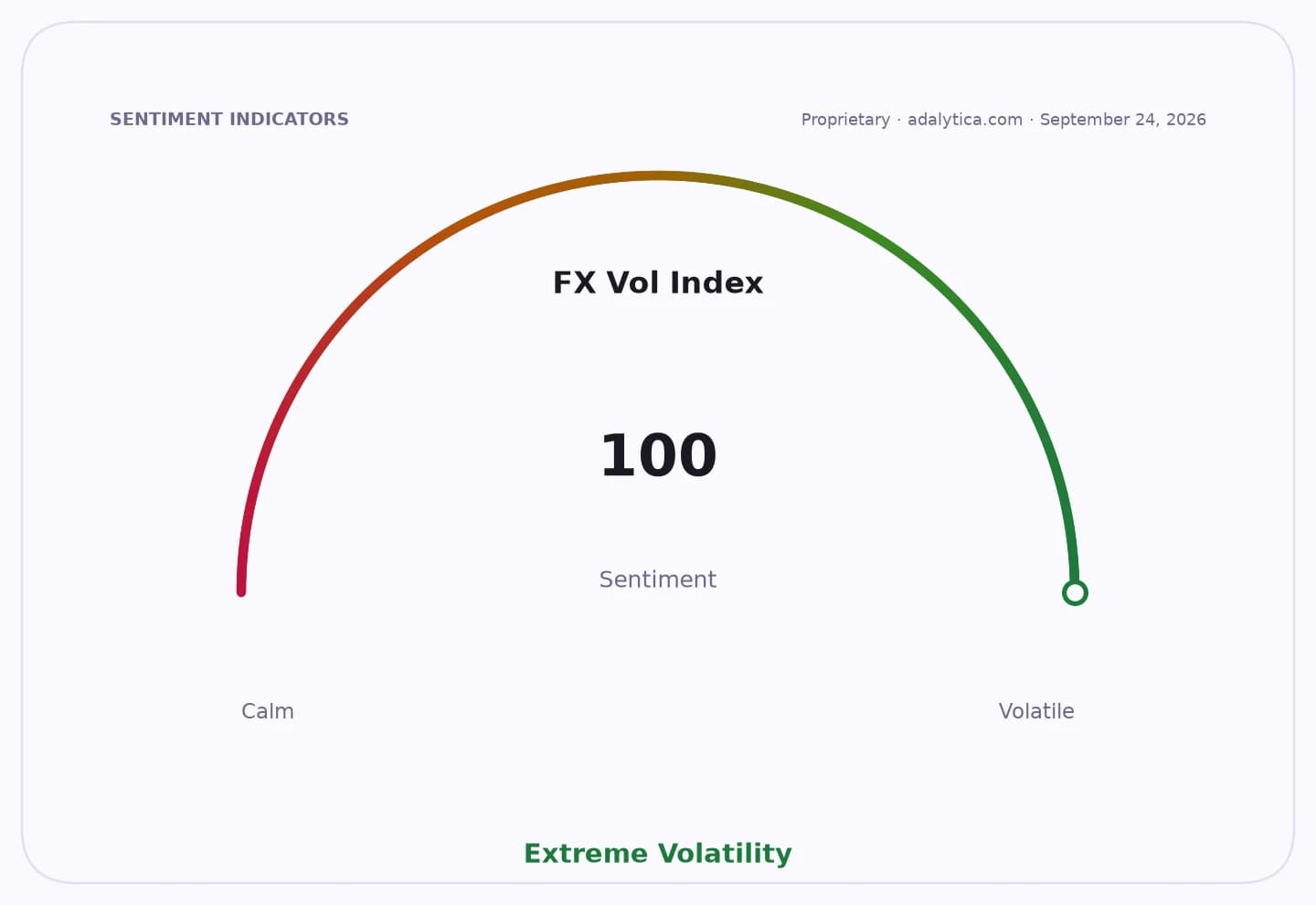
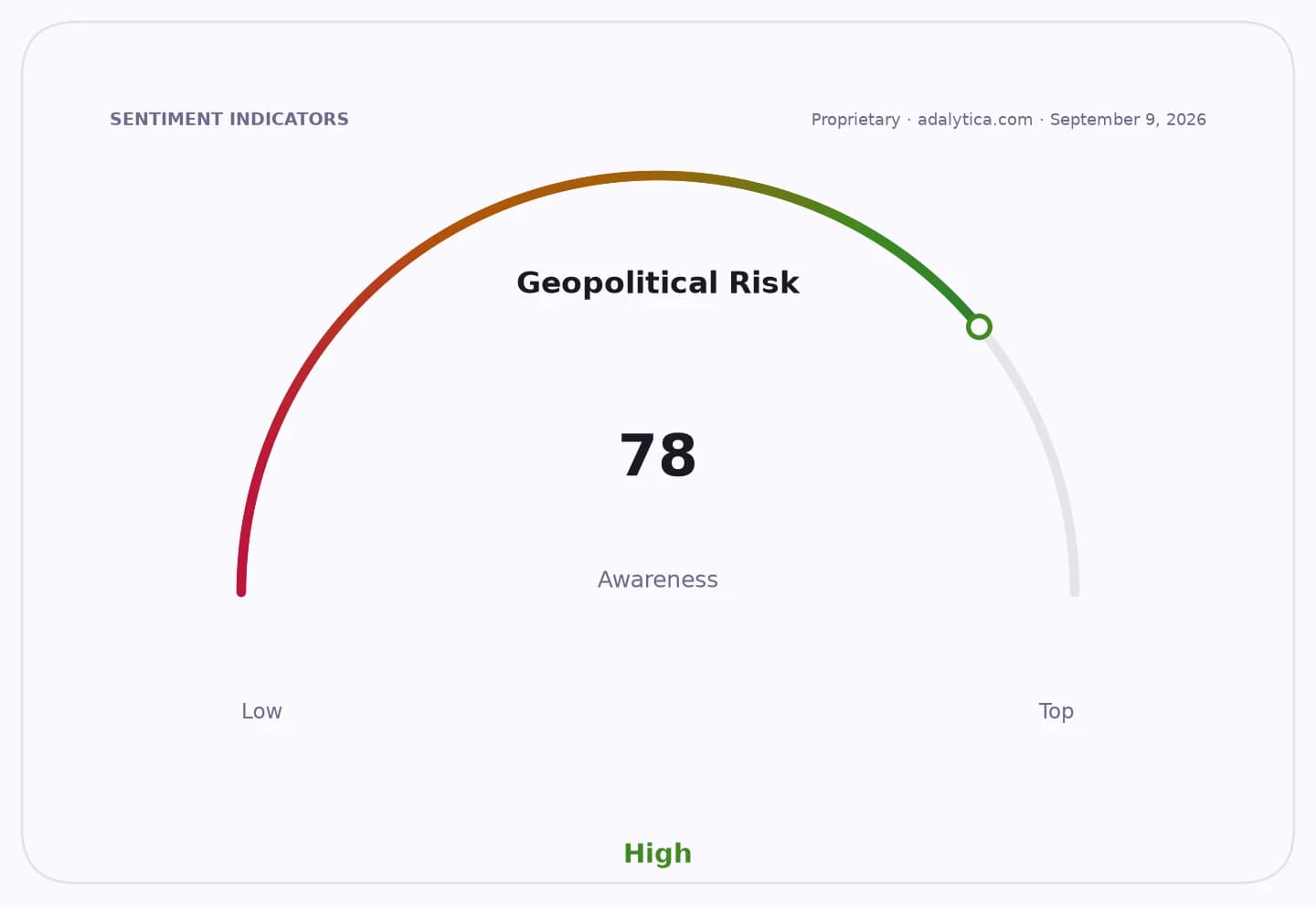
Sentiment IndicatorsⓘProprietary · adalytica.com · September 5, 2026
This is a snapshot — live sentiment, awareness and momentum for 130+ markets update continuously in the dashboard.Open AlphaPulse
India’s foreign ministry answered carefully, saying climate change is a shared challenge and that action should follow the principle of “common but differentiated responsibilities and respective capabilities.” That is standard climate language, but it matters because it keeps New Delhi aligned with the developing-world position while stopping short of any admission that India owes direct compensation to Nepal. Nepal later clarified that its appeal was aimed at the global community rather than three specific countries, but the message has already landed: climate justice is moving from conference rhetoric into real-world claims after disaster strikes.
For investors, the story matters because it reinforces a secular theme that is becoming impossible to ignore — climate damage is shifting from an environmental issue to a balance-sheet issue. That raises the strategic value of insurers, reinsurers, infrastructure hardening, disaster-response logistics, water management, and climate adaptation technologies across Asia. It also strengthens the case for capital flowing toward countries and companies that can price physical risk more accurately, while punishing exposed assets in flood-prone, underinsured regions.
There is also a geopolitical layer. Nepal has long depended on India for relief and emergency support, but asking for compensation reframes the relationship in legal and moral terms. That could make regional cooperation more formal, more contentious, and potentially more expensive over time. It also adds pressure on major powers — especially China, the U.S. and India — to fund adaptation, not just emissions cuts, as extreme weather becomes a recurring shock.
The market takeaway is clear: climate adaptation is no longer a niche trade. The countries, contractors and financial intermediaries positioned to monetize resilience are likely to see demand accelerate as disasters create not just humanitarian crises, but claims, rebuilding cycles and policy responses. Nepal’s floods are a reminder that the next big investment opportunity in climate may not be in prevention alone, but in paying for the damage that prevention failed to stop.
| Entity | Gains | Losses |
|---|---|---|
| Climate adaptation firms | ▲More demand for resilience spending | ▼Slower policy action on prevention |
| Insurers and reinsurers | ▲Higher pricing power on risk | ▼Larger claims from extreme weather |
| Nepal and other vulnerable states | ▲Stronger case for aid/compensation | ▼Heavy recovery costs and loss of life |
| Major emitters | ▲Influence over climate funding rules | ▼Pressure for liability and payments |