Nepal’s foreign minister has clarified that Kathmandu is not asking India for financial compensation over the country’s catastrophic flash floods, cooling an issue that briefly stirred concern in one of South Asia’s most sensitive bilateral relationships.
Nepal denies seeking flood compensation from India
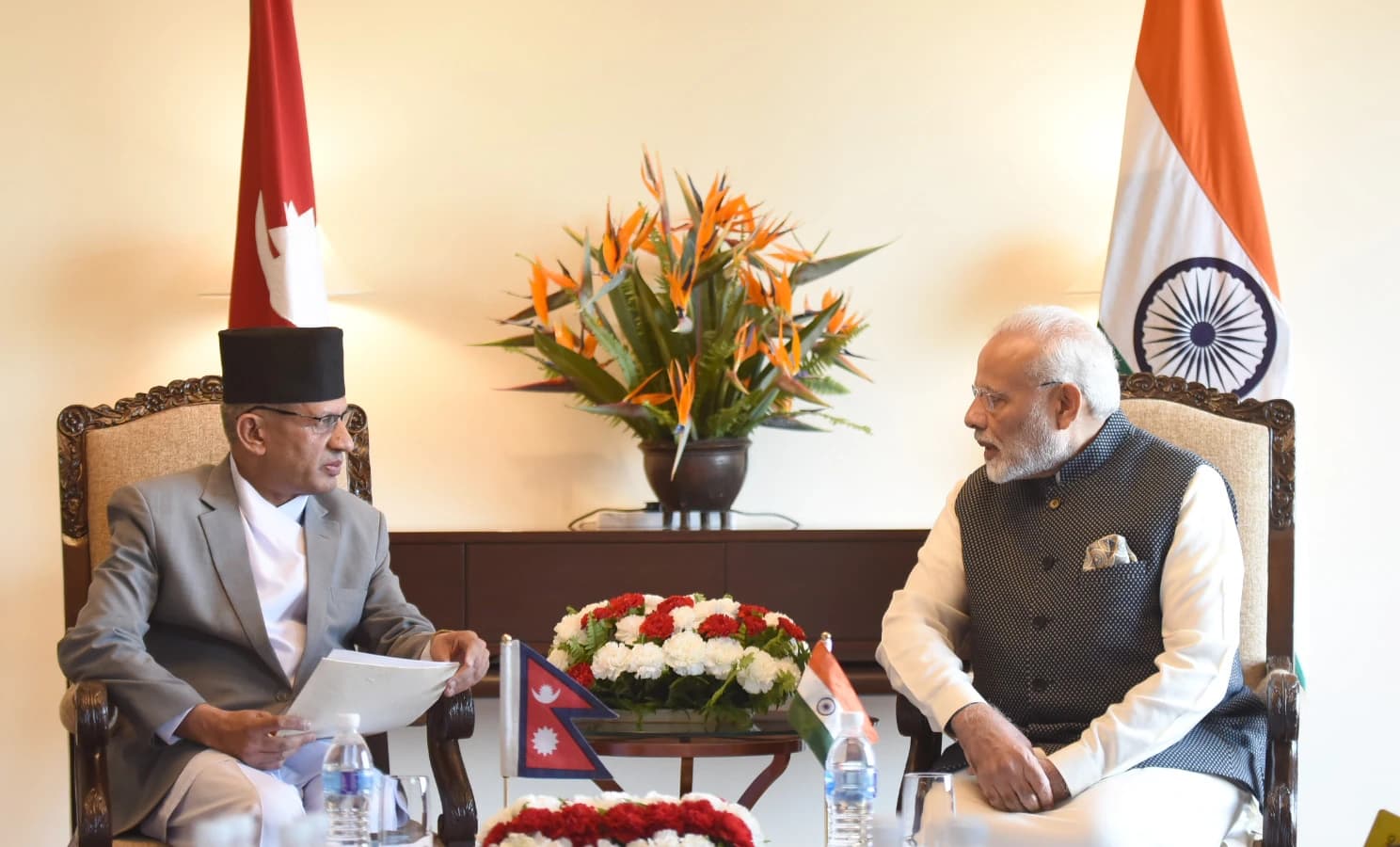
The statement matters because Nepal, India and China share the same Himalayan climate risks, but any suggestion that Kathmandu was seeking damages from major emitters could have complicated already delicate diplomacy just as the region turns to disaster response, cross-border coordination and climate adaptation.
Foreign Minister Shisir Khanal said Nepal has not directly sought compensation from India, China or the United States, despite earlier reports suggesting Kathmandu had asked high-emitting countries to pay for climate-related losses. He said the country’s message is that the disaster should be viewed through the lens of climate change and that the world should support small vulnerable nations facing rising temperatures and intensifying weather extremes.
The clarification also reinforces that Nepal is looking for cooperation, not confrontation. Khanal urged India, China and Nepal to work together on preparedness and response across the Himalayan region, where melting glaciers, landslides and flash floods have become more frequent and more destructive.
India’s role is central to that narrative. New Delhi was among the first to send humanitarian aid after the floods, including 68.5 tonnes of relief material, rescue equipment, bridge-building gear, dewatering pumps, medical supplies, tents, blankets and solar lamps. India also sent a 11-member rescue team with forensic support and used air services to move supplies for displaced people.
For investors, the immediate market impact is limited, but the broader significance is real. The episode highlights how climate disasters are increasingly shaping regional stability, cross-border logistics and government spending on preparedness, especially in the Himalayas where India, Nepal and China all face rising physical risk.
The clarification should help keep the focus on relief and coordination rather than compensation politics. The next test is whether India and Nepal, along with China and other partners, can turn this crisis into more durable disaster-response planning before the region faces another severe flood season.
| Entity | Gains | Losses |
|---|---|---|
| Nepal | ▲humanitarian support | ▼compensation narrative |
| India | ▲diplomatic goodwill | ▼pressure over damages claims |
| Himalayan region | ▲stronger cooperation | ▼disaster vulnerability |
| High-emitting nations | ▲lower immediate liability risk | ▼climate accountability pressure |