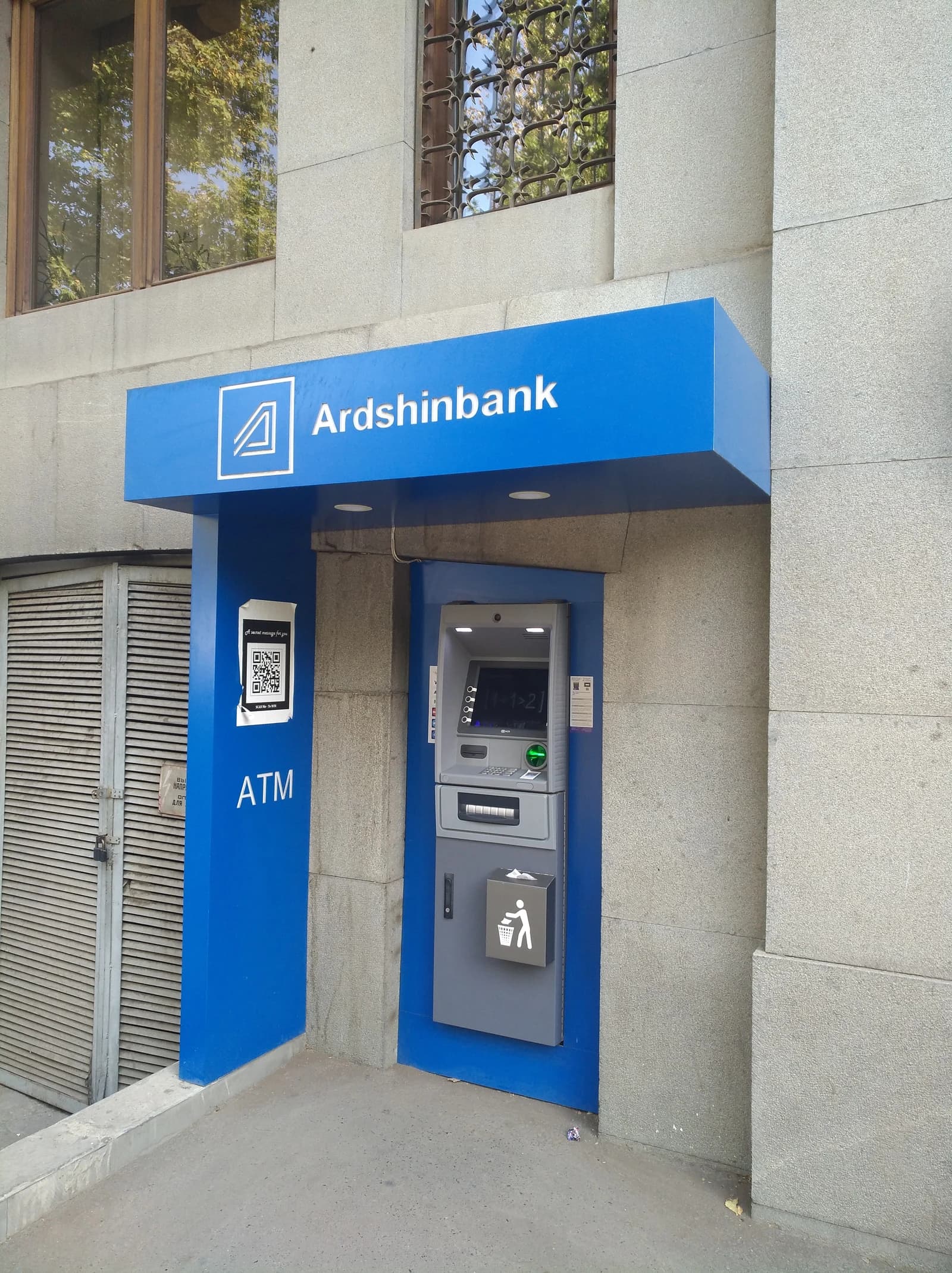
Nepal’s central bank has told lenders to load 100-rupee notes into ATMs for Dashain, a small but practical change that should make seasonal cash withdrawals easier as demand for physical currency rises sharply ahead of the country’s biggest festival period.
Nepal Rastra Bank loads 100-rupee notes into ATMs
The move matters because Dashain typically brings a surge in cash use across households, retailers and transport operators, putting extra pressure on bank branches and cash distribution networks. By allowing fresh 100-rupee notes to be dispensed directly from ATMs, the Nepal Rastra Bank is trying to smooth circulation of clean notes without the costly, highly visible campaign of issuing new currency notes nationwide.
Some banks and financial institutions have already begun dispensing the notes from newly configured ATMs, according to the central bank. The shift is aimed at ensuring people can obtain “sukila ra safa” — clean and crisp — notes from the central bank’s Thapathali office, provincial offices and commercial banks from Oct. 1, a period when cash demand usually accelerates.
The bank said it has been trying over the past four to five years to gradually reduce the practice of flooding the market with new festival notes. That suggests a policy tilt toward managing seasonal liquidity more efficiently rather than treating Dashain as a special monetary event. For banks, that reduces operational strain; for consumers, it lowers the risk of shortages of small-denomination bills used in everyday transactions, donations and gift-giving.
The central bank said currency in circulation stood at 794 billion rupees as of Sept. 16 and estimated Dashain would lift demand by around 8% to 10% of that stock. That implies a meaningful temporary drain on bank cash holdings, even if the increase is seasonal and reversible. In practical terms, lenders must stock more low-value notes at a time when branch traffic and ATM withdrawals already climb, while the central bank must balance festive convenience against the cost and logistics of issuing fresh currency.
Investors and bank stakeholders should watch whether the shift improves customer experience without adding to cash-handling expenses. While Nepal’s banking system is not a listed-equity story in the same way as larger regional markets, the policy still affects liquidity management, ATM utilization and operating costs for lenders. It also reflects a broader central-bank approach of keeping cash available during peak demand periods while avoiding unnecessary expansion of note issuance.
For now, the key message is straightforward: Dashain cash will be easier to access, and the central bank is using ATMs rather than a broad new-notes campaign to meet the seasonal surge.
| Entity | Gains | Losses |
|---|---|---|
| Nepal Rastra Bank | ▲Lower logistics burden | ▼Less visible festive outreach |
| Commercial banks | ▲Smoother cash management | ▼Higher ATM replenishment costs |
| Consumers | ▲Easier access to 100-rupee notes | ▼Fewer chances of new-note giveaways |
| Cash handlers/retailers | ▲Better small-note availability | ▼Need to manage larger cash volumes |