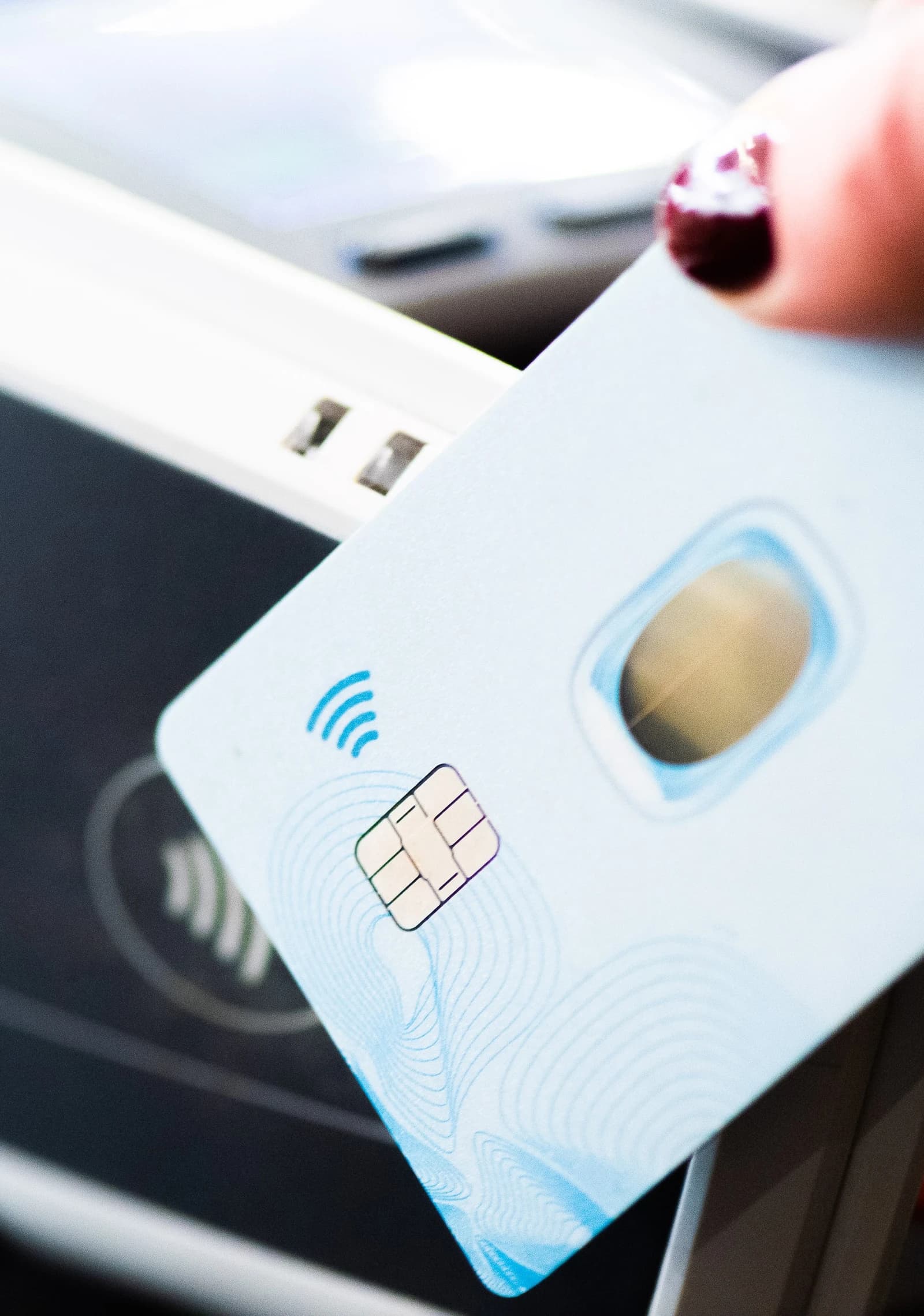
Banks in Turkey are widening daily free ATM cash withdrawal limits again, with allowances now ranging from 10,000 lira to 50,000 lira depending on the lender, while some customers can pull out even more through QR code transactions.
Turkey banks raise free ATM cash withdrawal limits
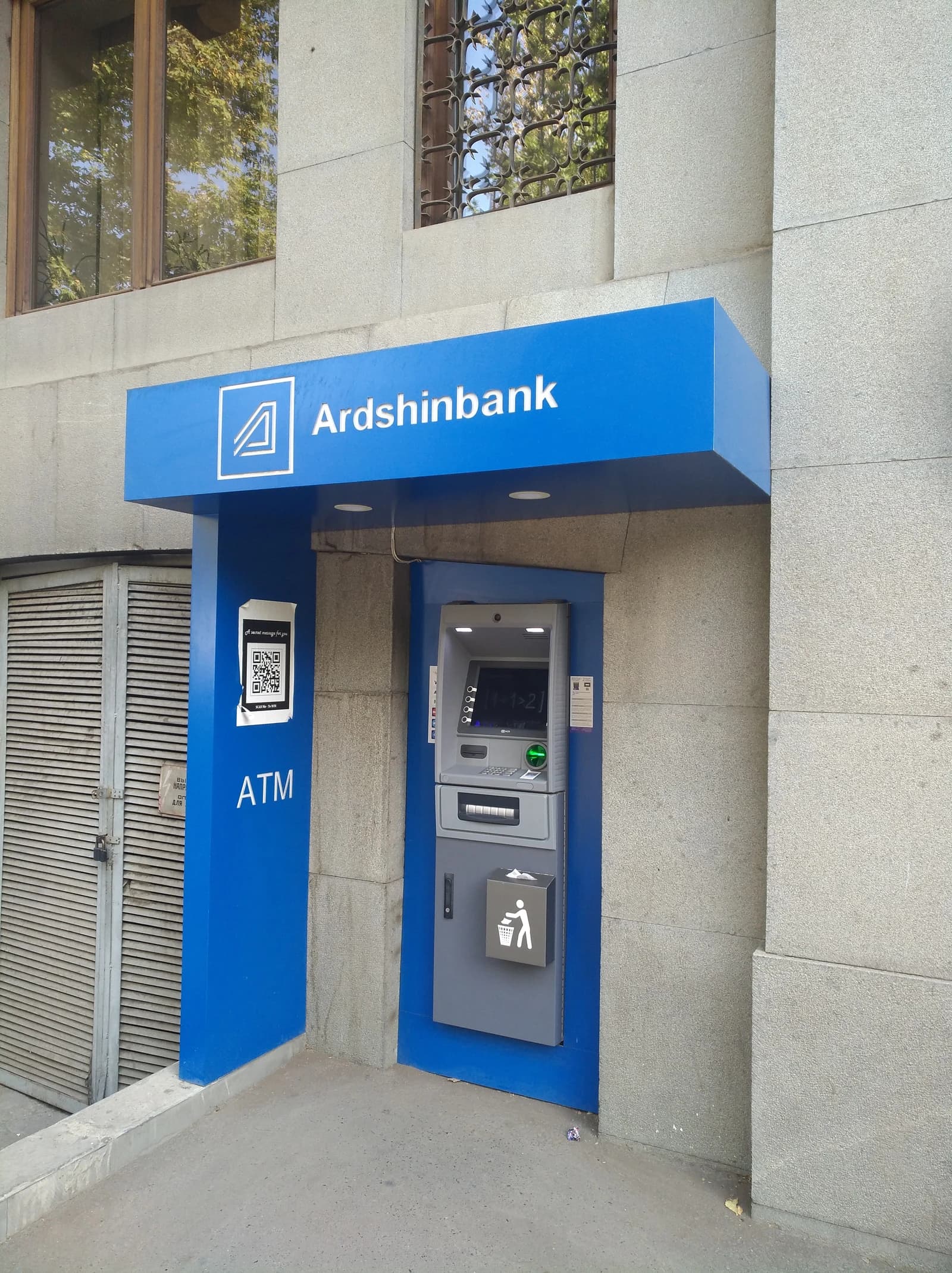
The change matters because cash access is still a daily banking issue in Turkey, where inflation and payment habits keep demand for physical cash elevated. Higher withdrawal caps can ease pressure on customers making larger routine payments, but they also shift more fee revenue risk onto banks when withdrawals exceed the free limit.
Sentiment IndicatorsⓘProprietary · adalytica.com · October 9, 2026
This is a snapshot — live sentiment, awareness and momentum for 130+ markets update continuously in the dashboard.Open AlphaPulse
The spread is wide. Enpara offers up to 50,000 lira a day and can lift that to 60,000 lira with QR code use, while İş Bankası and VakıfBank set 20,000 lira limits. Garanti BBVA, Yapı Kredi, Akbank, Halkbank and DenizBank sit mostly in the 10,000-15,000 lira range, and Ziraat Bankası keeps its free cap at 10,000 lira.
QR code withdrawals are becoming the main workaround for customers who need more cash than their card-based limit allows. Several banks apply a separate ceiling for mobile banking cash-out, giving users a second channel to access liquidity without visiting a branch.
For investors, the story is less about the cash itself than about banking behavior and fee economics. Banks that keep low default limits can preserve control over ATM usage and potential surcharge income, while higher-limit rivals may use more generous terms to attract deposits and retail customers.
The next focus will be whether more Turkish lenders follow with higher ATM caps or whether banks keep pushing customers toward digital and QR-based channels as a way to manage costs and transaction flows.
| Entity | Gains | Losses |
|---|---|---|
| Customers needing cash | ▲Higher free withdrawal access | ▼Fewer no-fee limits at smaller banks |
| Banks with higher caps | ▲Better retail appeal | ▼More cash handling costs |
| Banks with lower caps | ▲More control over ATM usage | ▼Customer frustration, possible churn |
| Fee-based bank revenue | ▲Charges on excess withdrawals | ▼Customers avoiding over-limit transactions |