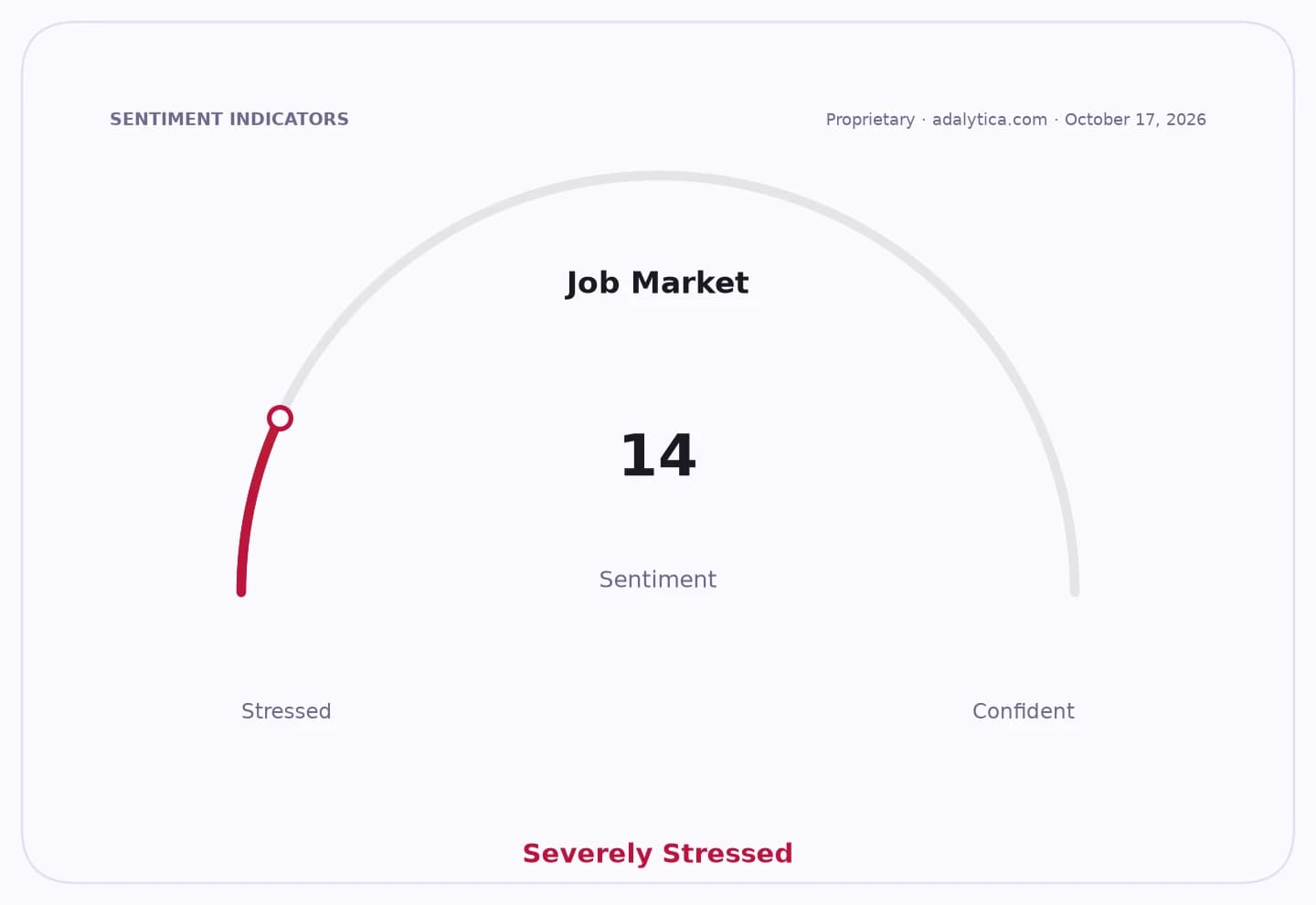
Hollywood’s backlash against streaming power is forcing Big Tech to pay more for content, cede more control over distribution and face a more hostile deal environment, even as it still depends on the studios to keep viewers subscribed.
Netflix, Disney, Amazon Face Higher Streaming Costs

The dynamic matters because the economics of streaming are shifting back toward the owners of premium intellectual property. That can widen margins for legacy media companies like Disney while pressuring the giants that built their video businesses on scale, algorithms and subscriber growth.

Netflix is the clearest pressure point. Its shares have slid to $65.85 from $114.09 in November and remain well below the 50-day moving average of $74.27, with an RSI reading of 45.6 and a negative MACD trend, a technical picture that underscores how investors have been reassessing the stock’s near-term momentum.
That selloff comes as streaming competition intensifies and Hollywood’s bargaining power strengthens. A 10-Q filing from Netflix highlighted rising content acquisition and production costs, while the broader industry keeps grappling with the fact that premium programming is now the main lever for retention, pricing and advertising yield.

Disney has held up better, with the stock at $112.52 after trading as high as $113.13 this week and still above both the 50-day and 200-day moving averages. Its relative resilience reflects the value of owning franchises, films and TV libraries that streaming platforms need, rather than renting that content from third parties.
Amazon, meanwhile, is still highly exposed to the content arms race even after its shares rebounded to $248.00 from a recent low of $210.11. The stock remains below its 50-day moving average of $255.65, suggesting investors are still weighing whether video spending and broader competition are diluting the payoff from Prime memberships.
The narrative fits a wider industry pattern: studios and rights holders are regaining leverage after years in which Big Tech appeared to set the terms. As streaming matures, viewers still want access, but the companies that own the shows, films and characters increasingly control the pricing.
That leaves investors focused on the next round of content deals, licensing renewals and subscriber-growth updates, where the winners are likely to be the companies with scarce entertainment assets and the losers the platforms that must keep paying to avoid churn.
| Entity | Gains | Losses |
|---|---|---|
| Disney | ▲Stronger pricing leverage | ▼Less dependence on outside platforms |
| Netflix | ▲Subscriber scale | ▼Higher content costs |
| Amazon | ▲Prime engagement from video | ▼Margin pressure from spending |
| Hollywood studios | ▲Better bargaining power | ▼N/A |