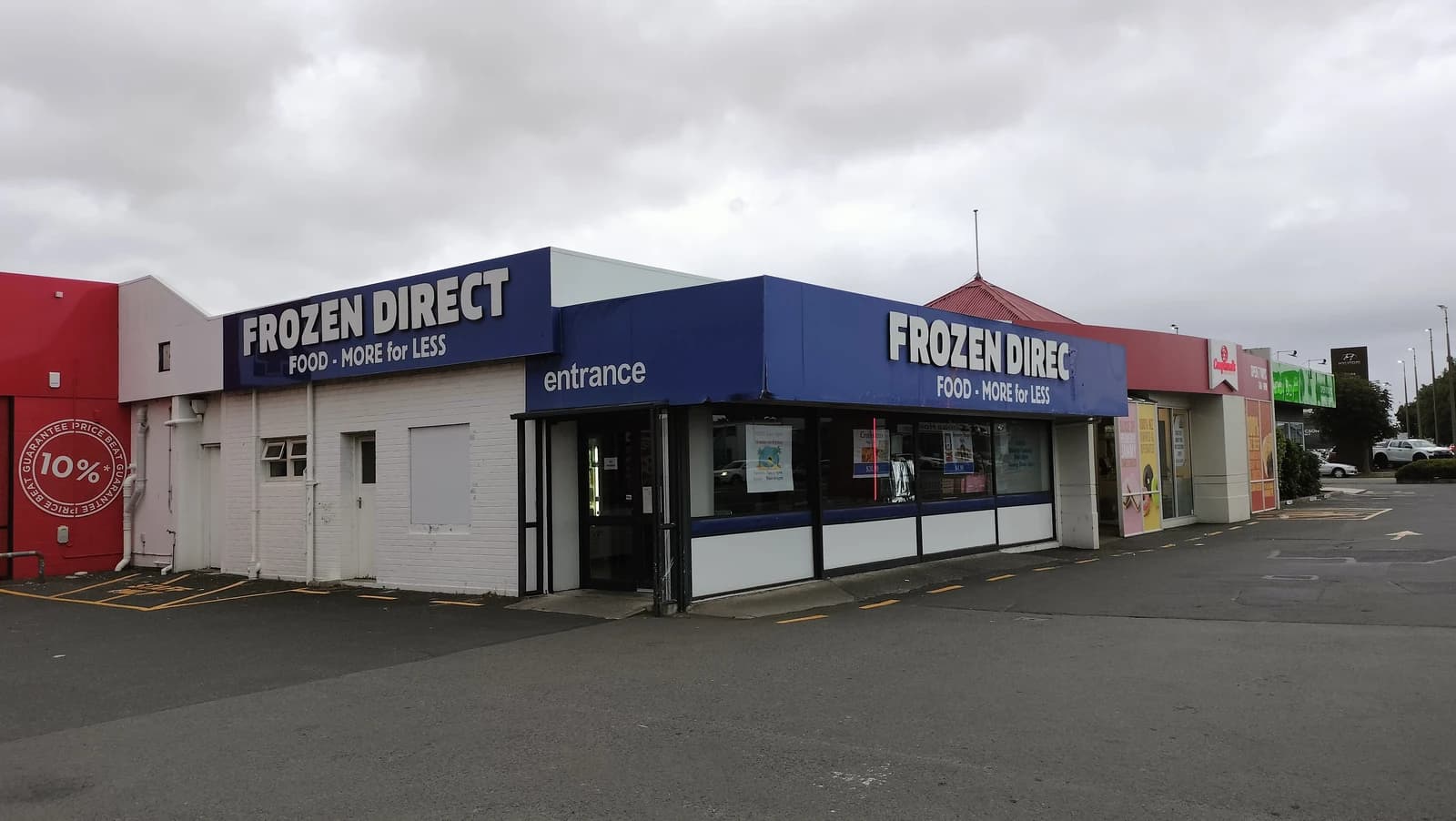
New Zealand’s grocery market is heading into the election as a policy battleground, with the biggest parties offering competing plans to break the hold of Foodstuffs and Woolworths, which still control about 82% of sales.
New Zealand grocery reforms target Foodstuffs and Woolworths

That concentration matters because it keeps pressure on prices, limits choice and makes it hard for smaller rivals to win scale in a country already dealing with food inflation and stretched household budgets. The debate is now less about whether the market is broken than which intervention would most quickly force real competition through the supply chain.
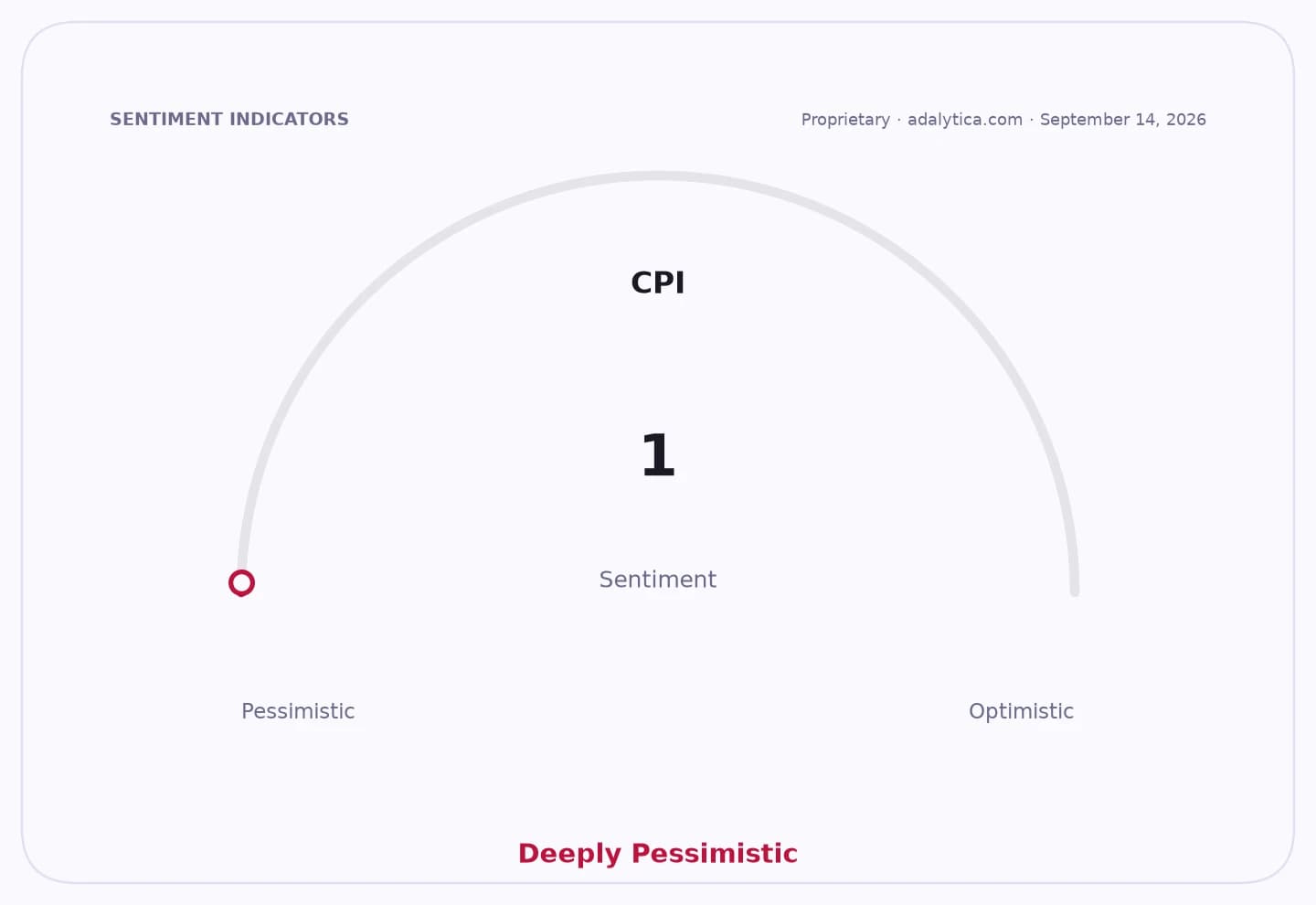
Sentiment IndicatorsⓘProprietary · adalytica.com · September 26, 2026
This is a snapshot — live sentiment, awareness and momentum for 130+ markets update continuously in the dashboard.Open AlphaPulse
National wants to split Foodstuffs into separate nationwide Pak’nSave and New World/Four Square groups, a move it says would sharpen rivalry between the banners. Labour has gone after the wholesale layer, proposing that Foodstuffs and Woolworths run wholesale businesses independently from retail stores and let grocers buy on fair terms. ACT wants fewer planning and regulatory barriers for new entrants, while the Greens want to nationalise 120 supermarkets into a state-owned KiwiMart chain.
The competing plans target different bottlenecks. A structural split could weaken cooperative buying power and distribution efficiencies, especially outside major urban centers. Wholesale separation could open access to supply but risks creating a new monopoly if scale is not large enough. Planning reform would help only if rivals can actually secure sites and approvals. Taken together, the proposals point to a common problem: the incumbents control not just shelves, but the infrastructure needed to stock them.
The pressure comes as grocery affordability stays politically potent. Food prices remain a major driver of consumer strain, and retailers themselves have been leaning harder on suppliers for lower costs as margins and customer budgets come under pressure. In that environment, any policy that lowers wholesale costs or expands shelf access could have an outsized impact on household spending and the broader retail inflation picture.
For investors, the issue is not just New Zealand politics but the precedent. Forced restructuring would be one of the most intrusive forms of market intervention, and it could reshape the economics of supermarket ownership, distribution and supplier relationships. The most likely near-term catalyst is a Commerce Commission review or post-election policy push that decides whether reform comes as one big break-up, a wholesale unbundling, or a package of smaller changes.
| Entity | Gains | Losses |
|---|---|---|
| Consumers | ▲Lower grocery prices | ▼Less incumbent power |
| New entrants | ▲Easier market access | ▼Barriers to scale |
| Foodstuffs and Woolworths | ▲Potentially clearer rules if reform is limited | ▼Market share and control |
| Small grocers | ▲Fairer wholesale access | ▼Supplier pressure if reforms stall |