New Zealand’s finance minister Nicola Willis is confronting renewed pressure to defend the government’s cost-of-living strategy after September inflation came in hotter than many policymakers would want, keeping the Reserve Bank of New Zealand in a difficult tightening posture and leaving the kiwi dollar vulnerable if price momentum fails to cool.
New Zealand Inflation Stays Hot, NZD Falls
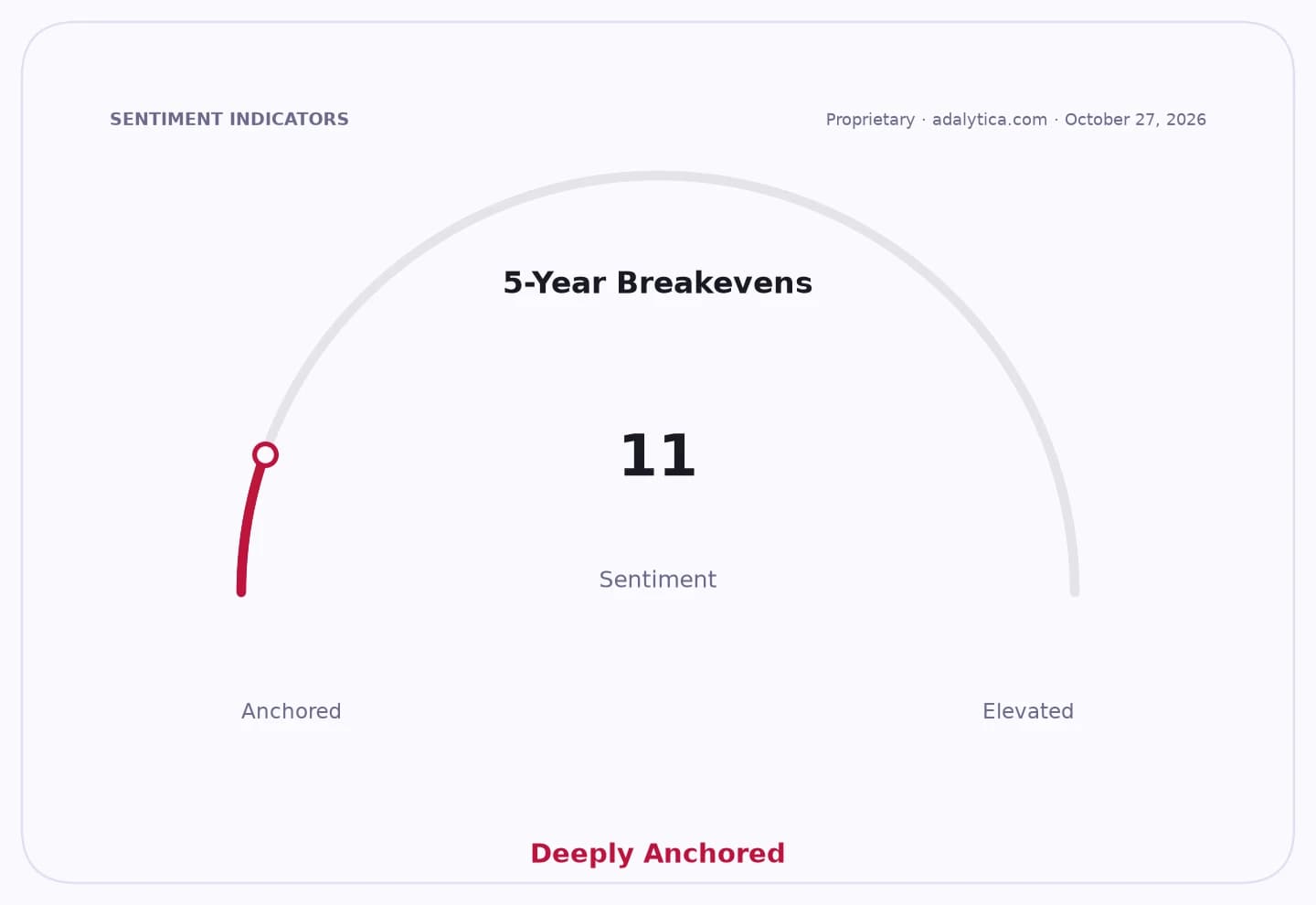
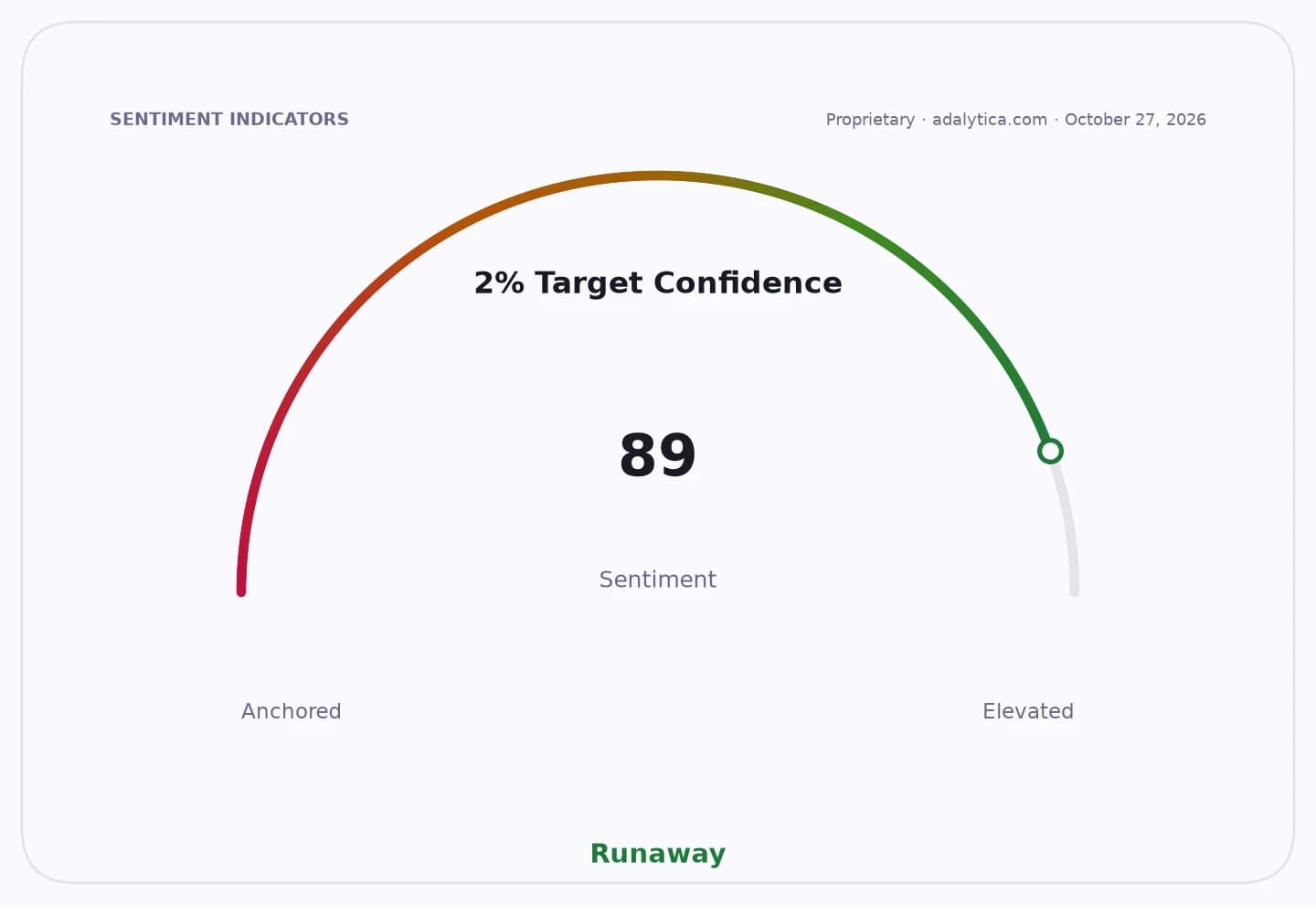
The consumer price index rose 0.65% in September, according to the data provided, after a 0.40% increase in August and a 0.07% gain in July. That left headline inflation running at a firmer pace just as markets were looking for evidence that price pressures were easing into year-end. Core inflation, measured by the trimmed series, also advanced 0.33% in September after 0.29% in August, suggesting underlying demand remains sticky rather than abating cleanly.
Sentiment Indicators
For policymakers, that matters because inflation is no longer just a temporary aftershock from supply shocks; it is becoming embedded in domestic price-setting. The latest reading complicates the fiscal-monetary mix for Willis, who has been under pressure to show that government spending restraint can help the central bank bring inflation back toward target without forcing a sharper economic slowdown. If inflation remains elevated, the RBNZ may have less room to sound dovish, even as growth-sensitive sectors argue that borrowing costs are already biting.
The market reaction has reflected that tension. The New Zealand dollar has slipped to around 0.57 against the US dollar, trading below its 50-day and 200-day moving averages, while RSI readings near 63 to 70 suggest the currency has recently been stretched rather than decisively stronger. The broader backdrop is not helping: US Treasury yields have stayed elevated, with the 10-year near 5%, reinforcing dollar support and keeping pressure on higher-beta currencies such as the kiwi.
Investors will read the inflation print through two lenses. Bulls on New Zealand assets can argue that one month does not make a trend and that headline inflation is still well below the extremes seen during the global inflation shock. Bears will focus on the persistence in core prices and the risk that fiscal policy stays too loose for too long, leaving the RBNZ little choice but to maintain a restrictive stance. That combination would tend to cap domestic bond valuations, keep mortgage costs high and weigh on consumer spending.
The bigger narrative is that New Zealand is running out of easy policy choices. If Willis leans into spending restraint, she risks a political backlash from households facing higher living costs. If she opens the fiscal taps, she may intensify the inflation problem and prolong the central bank’s squeeze. For investors, the key watchpoint is whether the next few CPI releases confirm that inflation is decelerating or whether September marks the start of a renewed price flare-up that keeps the kiwi, local bonds and rate-sensitive equities under pressure.
| Entity | Gains | Losses |
|---|---|---|
| RBNZ | ▲Stronger case for restraint | ▼Less room to ease policy |
| Nicola Willis / NZ government | ▲Credibility if spending stays tight | ▼Political pressure from households |
| NZD bulls | ▲Potential support if inflation cools later | ▼Near-term downside from sticky prices |
| Borrowers / consumers | ▲None immediately | ▼Higher-for-longer interest rates |