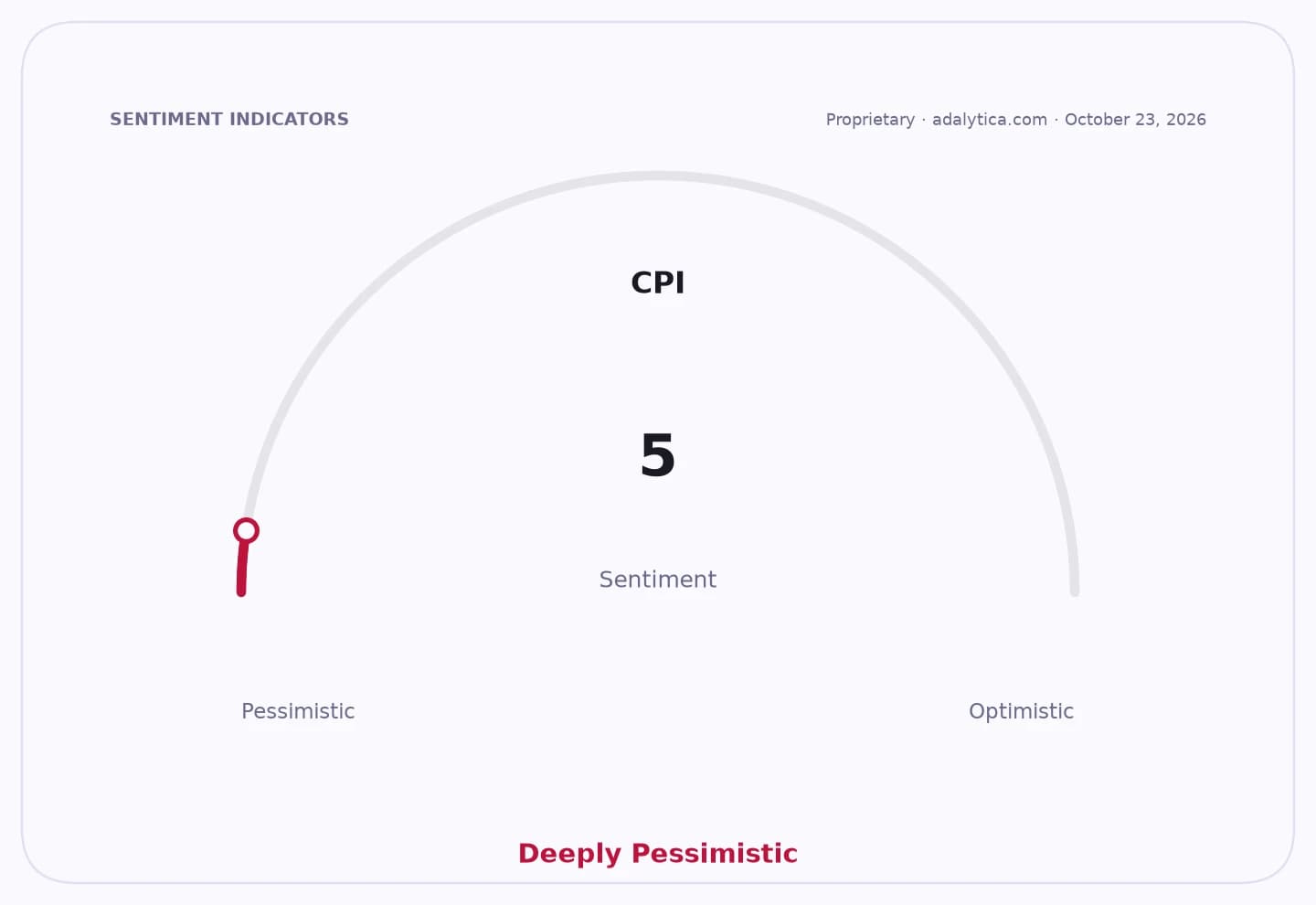
Australia’s inflation problem is forcing the Reserve Bank of Australia closer to another rate hike, and that matters because it means household pain, slower growth and tighter financial conditions are not easing any time soon.
Australia inflation pushes RBA closer to rate hike
A hotter-than-expected third-quarter inflation reading has kept price pressures stubbornly high, with petrol, electricity and other household costs still doing the heavy lifting. Markets now expect the RBA to raise rates again as soon as Melbourne Cup Day, which would mark a fifth increase in the tightening cycle and underline how difficult it has become to get inflation back under control without inflicting more damage on the economy.
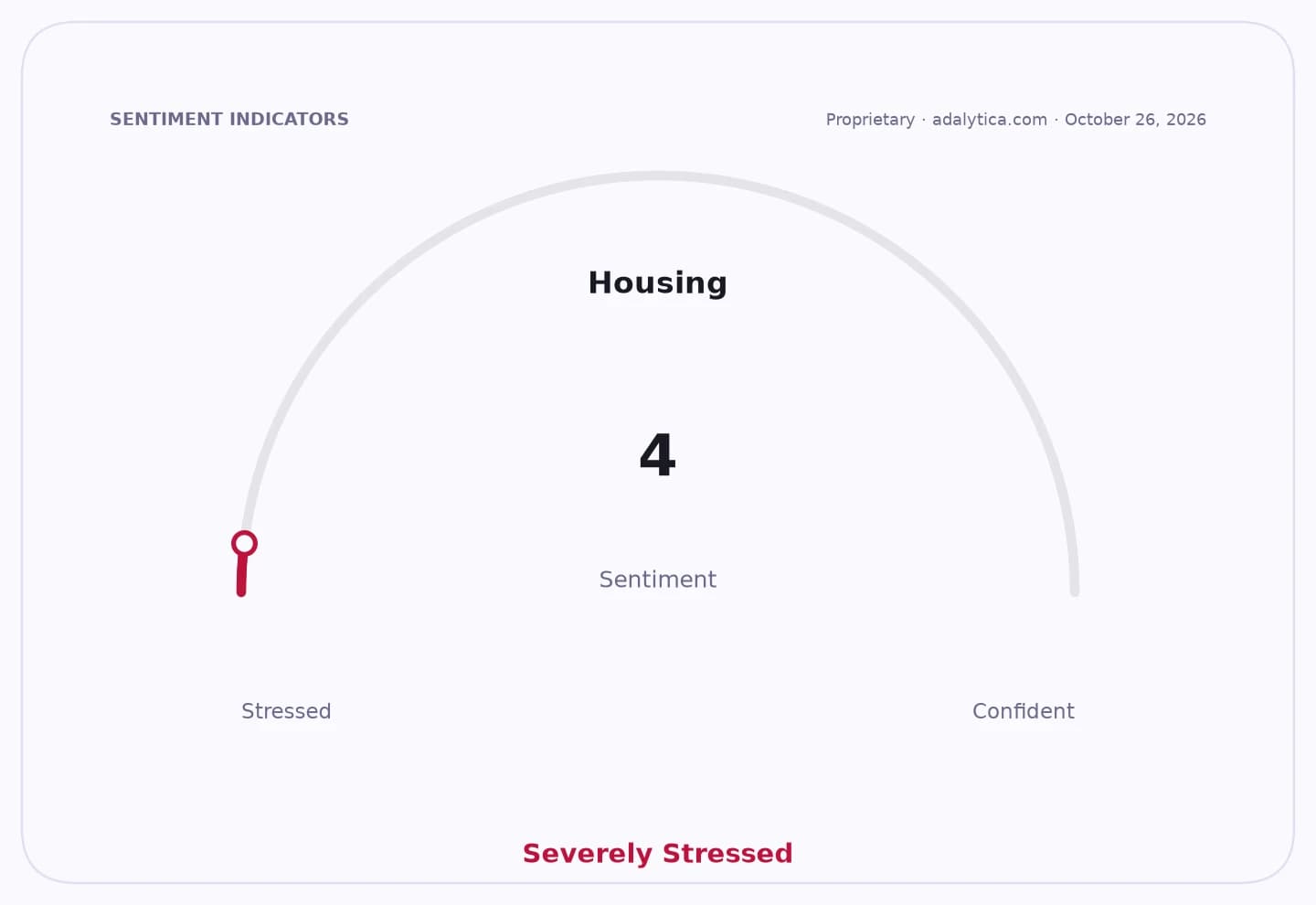
That’s the key issue for investors: inflation that stays elevated for too long tends to keep borrowing costs high, crimps consumer spending and raises the risk that growth cools more sharply than policymakers would like. Australian mortgage holders are already feeling the squeeze, and the longer the RBA has to keep policy restrictive, the more pressure builds across rate-sensitive parts of the economy, from housing to retail to discretionary spending.
The backdrop is uncomfortable for the central bank. Monetary policy is clearly biting, but not fast enough to restore confidence that inflation is moving decisively lower. When price growth remains sticky while unemployment starts to edge higher, central banks are left with a narrower and more painful set of choices: tighten again and risk slowing demand further, or pause and risk letting inflation embed itself.
For long-term investors, that combination argues for patience rather than panic. Rate hikes can hurt near-term earnings for consumer-facing companies and pressure property-linked assets, but they also tend to reward businesses with pricing power, strong balance sheets and reliable cash flow. In other words, this is the kind of environment where quality matters more than ever.
The next RBA decision will therefore be about more than one rate move. It will show whether Australia’s inflation fight is still in an early, manageable phase or has become a more entrenched drag on growth, household finances and market returns. Investors should keep watching, but the bigger lesson is the same: in a high-inflation world, resilience and discipline win out over short-term guesswork.
| Entity | Gains | Losses |
|---|---|---|
| RBA | ▲Credibility if inflation cools | ▼Room to support growth |
| Savers/Cash holders | ▲Higher deposit yields | ▼— |
| Mortgage borrowers | ▲— | ▼Higher debt-servicing costs |
| Consumer stocks | ▲Pricing power leaders | ▼Discretionary spenders |