US inflation is cooling, but not enough to stop higher-for-longer U.S. rates from pulling New Zealand mortgage pricing up with them.
New Zealand Mortgage Rates Rise on U.S. Yields

That matters because New Zealand lenders price fixed home loans off wholesale swap rates and longer-dated bond yields, which have climbed in step with the U.S. Treasury market. The 10-year U.S. yield is at 5.29%, near a multiyear high, while Fed funds sit at 3.75%, reinforcing market expectations that U.S. rates will stay restrictive for longer.
Sentiment IndicatorsⓘProprietary · adalytica.com · October 5, 2026
This is a snapshot — live sentiment, awareness and momentum for 130+ markets update continuously in the dashboard.Open AlphaPulse

For New Zealand borrowers, the effect is direct: higher U.S. bond yields feed into local wholesale funding costs, especially at maturities beyond five years, where mortgage pricing is most sensitive. Kiwibank said the global move has already pushed New Zealand swap rates higher and steepened the local curve, adding upward pressure to fixed mortgage rates even as domestic inflation shows signs of easing.
The U.S. inflation backdrop is not providing much relief. The consumer price index was forecast to edge down 0.08% in September after a 0.4% rise in August, but the broader message from markets is that price pressures are not weak enough to trigger an abrupt Federal Reserve pivot. The combination of solid growth, a 4.2% U.S. unemployment rate and still-resilient spending has kept traders pricing in higher-for-longer policy and lifted long-end yields.
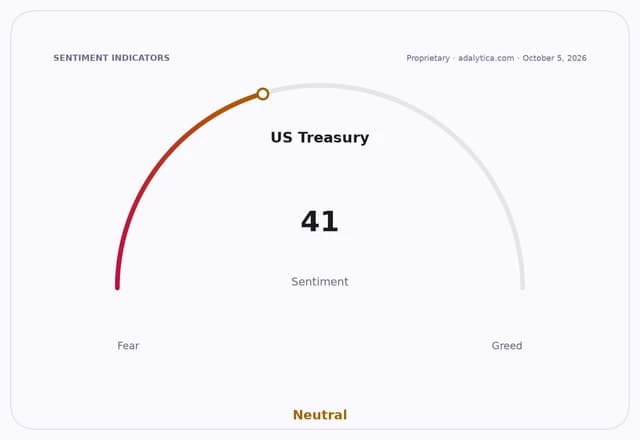
That has consequences well beyond the U.S. Treasury market. Global mortgage rates have surged, with the U.S. 30-year fixed rate recently hitting 7.28%, the highest in more than two years, while the 10-year OAT in France moved above 4.90% in early October. In Europe and the UK, the result has been softer housing demand, more price cuts and slower sales — a pattern that could echo in New Zealand if local borrowing costs stay elevated.
New Zealand’s own economy is already feeling the strain. Labour market data show jobs continuing to rise, but Treasury’s updated forecasts expect unemployment to stay higher for longer than earlier projected. PREFU also showed the government expects to issue $15 billion less debt over the next four years, a factor that may help at the margin, but not enough to offset the global rate backdrop.
The bigger investor story is that New Zealand fixed mortgage rates are being driven less by the Reserve Bank and more by offshore bond markets. That leaves homeowners, banks and property investors exposed to swings in U.S. inflation and Treasury yields, with the next catalyst likely to come from the latest U.S. inflation print and any shift in Fed rate expectations.
| Entity | Gains | Losses |
|---|---|---|
| U.S. Treasury bondholders | ▲Higher yields, better income | ▼Price pressure from rising rates |
| NZ banks | ▲Wider lending spreads on new fixed loans | ▼Weaker mortgage demand |
| NZ homebuyers | ▲— | ▼Higher fixed mortgage rates |
| NZ exporters | ▲Weaker kiwi helps competitiveness | ▼Import costs rise |