Inflation and the cost of living remain New Zealanders’ dominant economic worry, but a sharp jump in concern about petrol prices has become the clearest sign that the squeeze is broadening rather than easing.
New Zealand petrol price concern surges in Ipsos survey
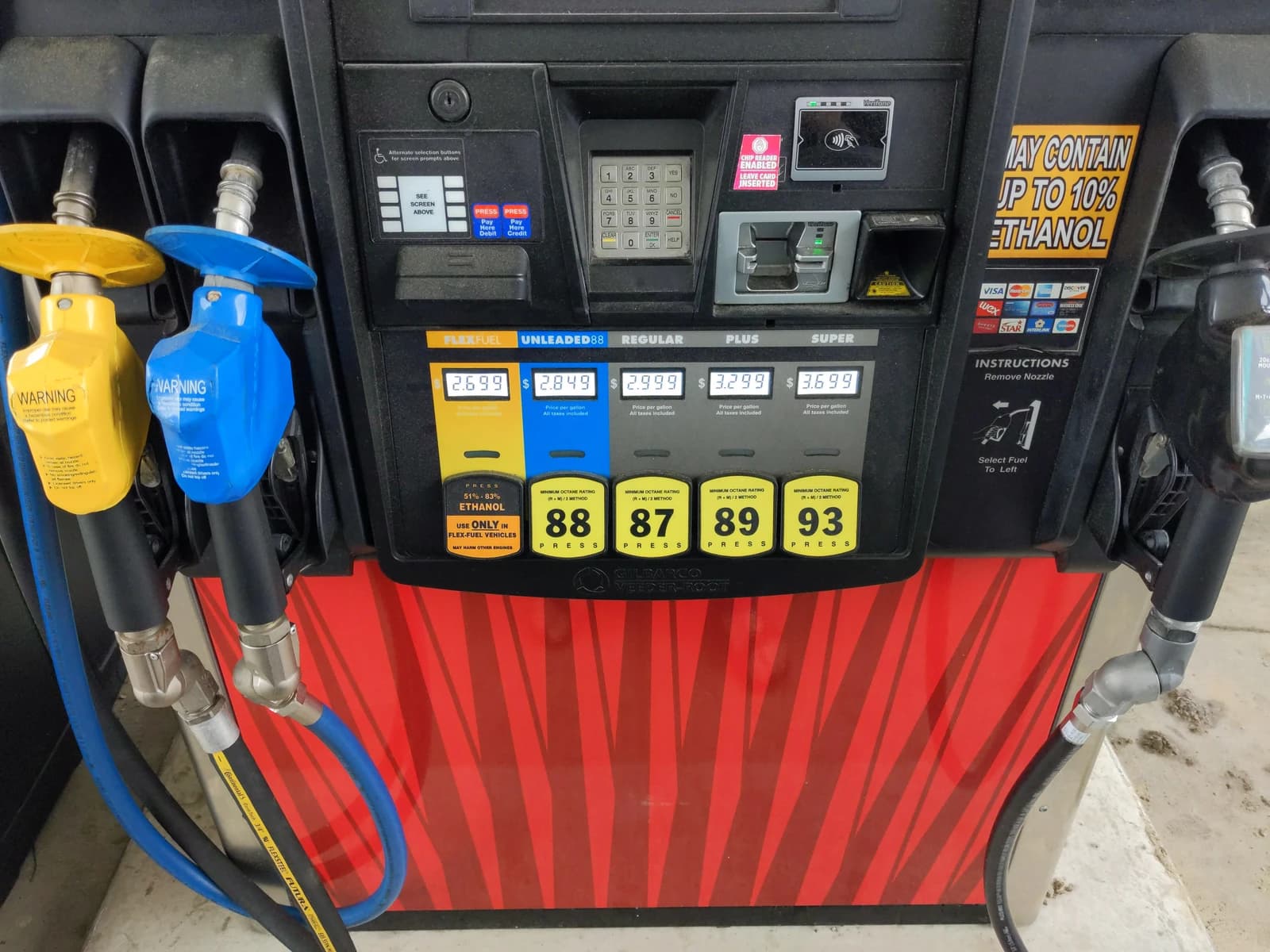
Ipsos’ latest Issues Monitor found 64% of respondents still rank inflation and cost of living as the country’s top issue, with healthcare and hospitals second at 45%. The bigger market-political signal is fuel: concern about petrol prices surged 14 percentage points from the prior wave to 31%, vaulting from seventh to third place and reaching its highest level since the survey began in 2018.
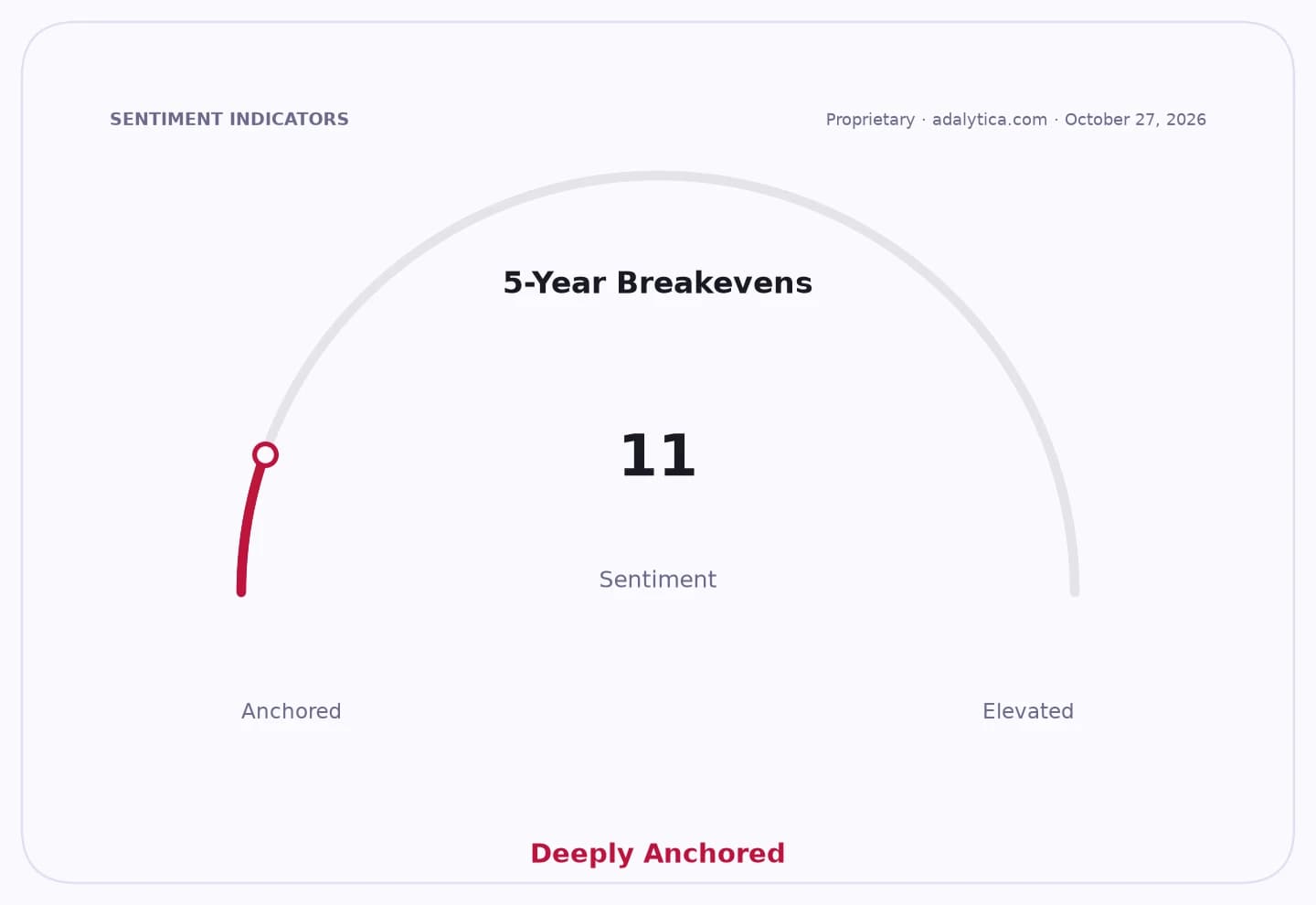
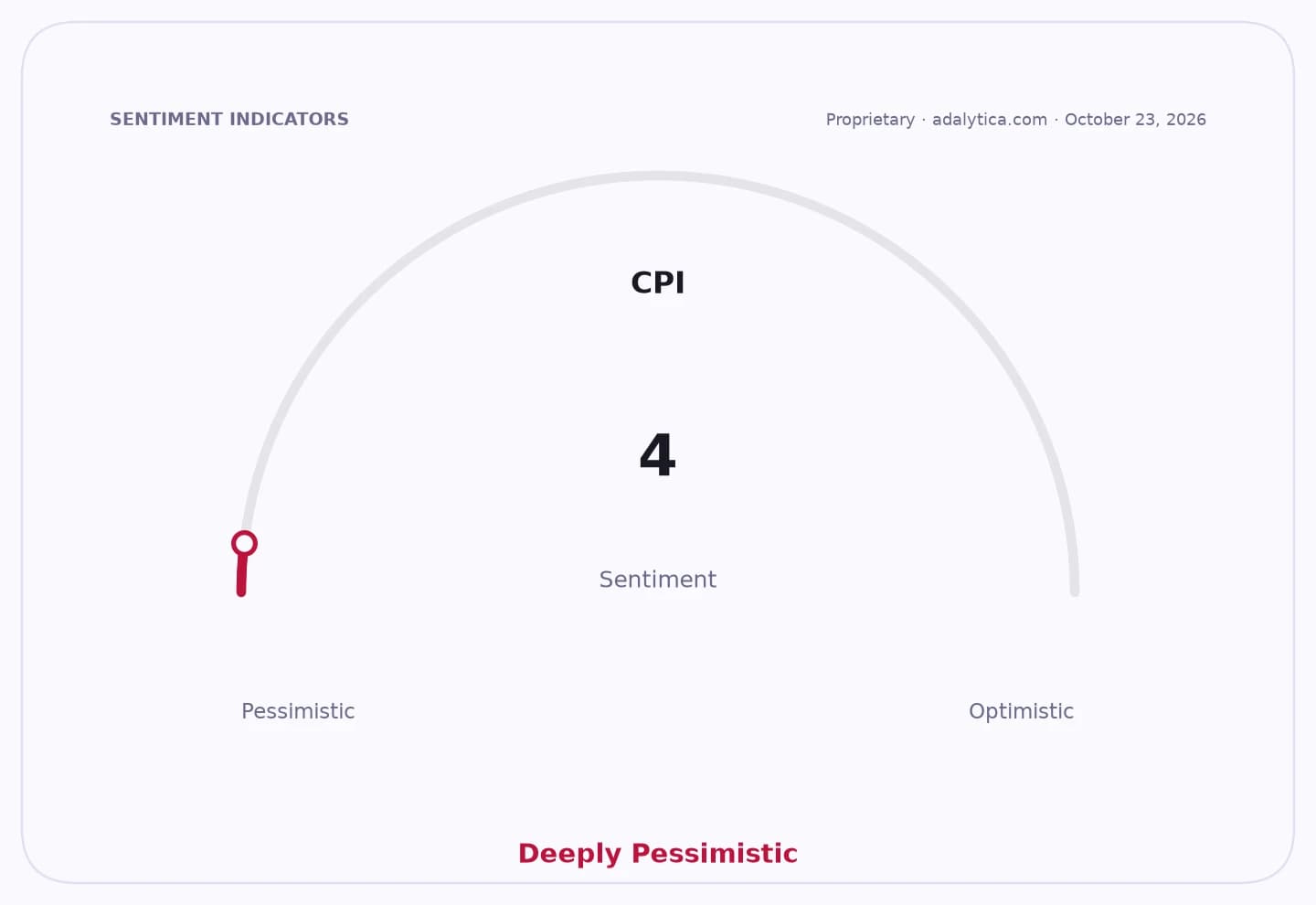
Sentiment Indicators
That matters because petrol is one of the fastest ways rising household costs become visible to voters, and it feeds directly into expectations for broader inflation. When fuel becomes a top-tier public concern, it usually implies pressure on discretionary spending, wage demands and retail confidence, even if headline inflation is not accelerating at the same pace. Ipsos said the latest survey of 1,008 New Zealanders was taken as fuel prices climbed to near-record levels, reinforcing the sense that households are still absorbing a persistent cost shock.
The survey also showed the economy slipping to fourth place at 30%, down four points, while unemployment stayed fifth at 19%. That combination points to a public debate less about abstract macro conditions than about the everyday expense of getting around, heating homes and paying bills. For policymakers, it raises the political cost of any perception that living standards are still under pressure despite efforts to cool inflation.
The data come as energy markets remain volatile. US crude benchmark West Texas Intermediate has swung sharply in recent weeks and was trading above $105 a barrel in late October, after hitting the low $80s earlier in the month, a move that can quickly pass through to pump prices in import-dependent economies such as New Zealand. New Zealand’s reliance on imported fuel means local motorists often feel global oil moves with a lag, but the political reaction can be immediate.
That is why the Ipsos reading is important for investors as well as politicians. Higher petrol prices can curb consumer spending, weigh on transport-heavy sectors and keep pressure on inflation expectations, which in turn influences interest-rate settings and bond yields. If households continue to see fuel as the most visible sign of inflation, the Reserve Bank of New Zealand may find it harder to declare victory over price pressures even if broader measures stabilize.
The survey also carries a clear electoral dimension. Labour was perceived as the party best able to handle all five of the top concerns for the third straight wave, with its lead on inflation improving to 38% from 24% for National. On healthcare, Labour held a 42% to 21% advantage. National still led on crime, but only narrowly.
For now, the main message is straightforward: New Zealanders are not just worried about inflation in the abstract. They are increasingly reacting to the costs they encounter at the petrol pump, and that makes the cost-of-living debate more politically potent and economically sticky heading into the election.
| Entity | Gains | Losses |
|---|---|---|
| Labour | ▲Stronger issue credibility | ▼Pressure to prove relief |
| National | ▲Can target household pain | ▼Trails on top concerns |
| Consumers | ▲More political focus on costs | ▼Higher fuel bills |
| Fuel retailers/importers | ▲Demand visibility | ▼Margin pressure if costs rise |