Retail sales in New Zealand rose 2.2% in the September quarter, but the gain looks increasingly like a ticket-size story rather than a broad-based pickup in shoppers.
New Zealand retail sales rise on higher basket values
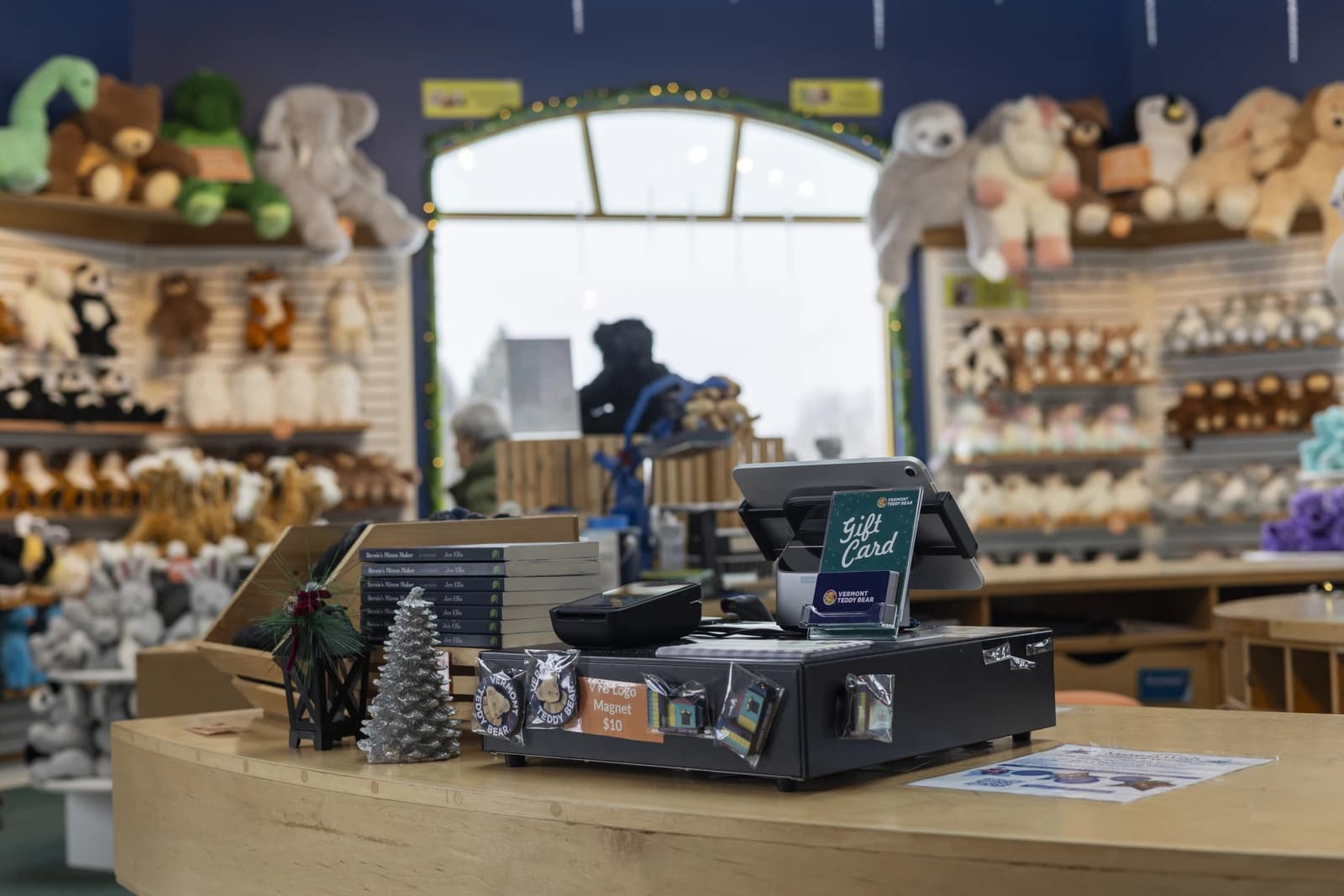
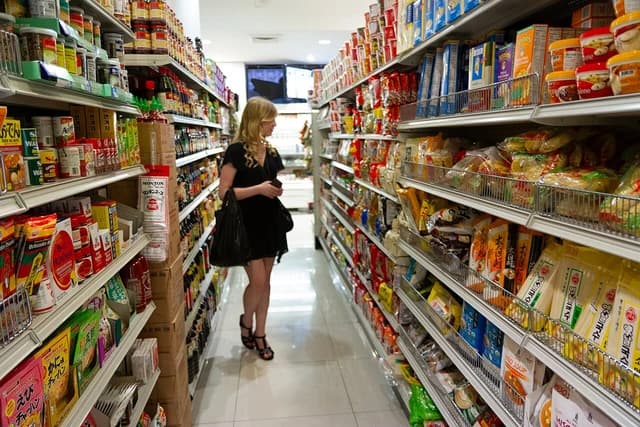
That matters because higher sales without more people walking through doors or clicking “buy” online is not the kind of demand recovery retailers — or the economy — can easily build on. It suggests inflation, freight pass-through and bigger basket values are doing more of the work than a healthier consumer.
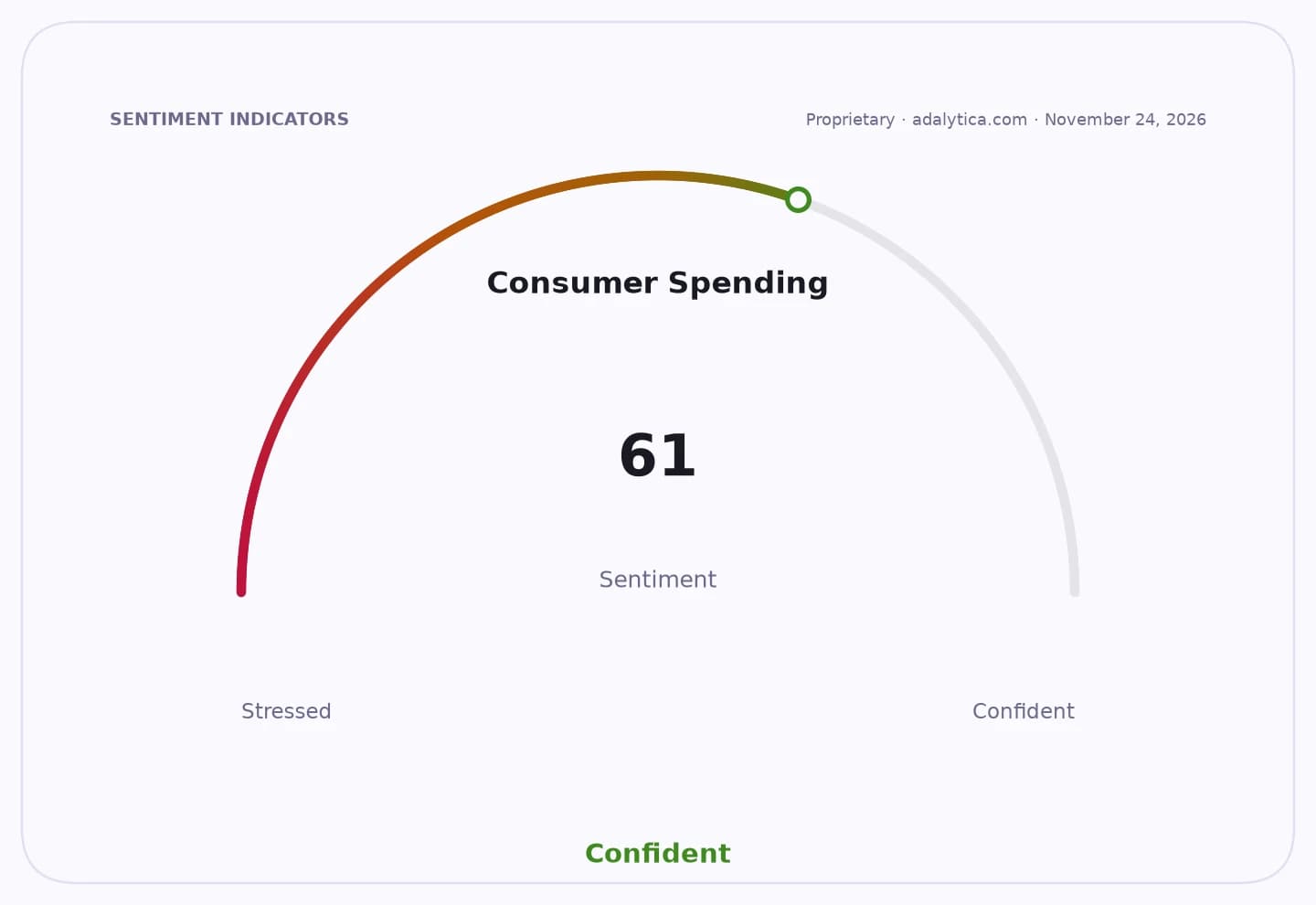
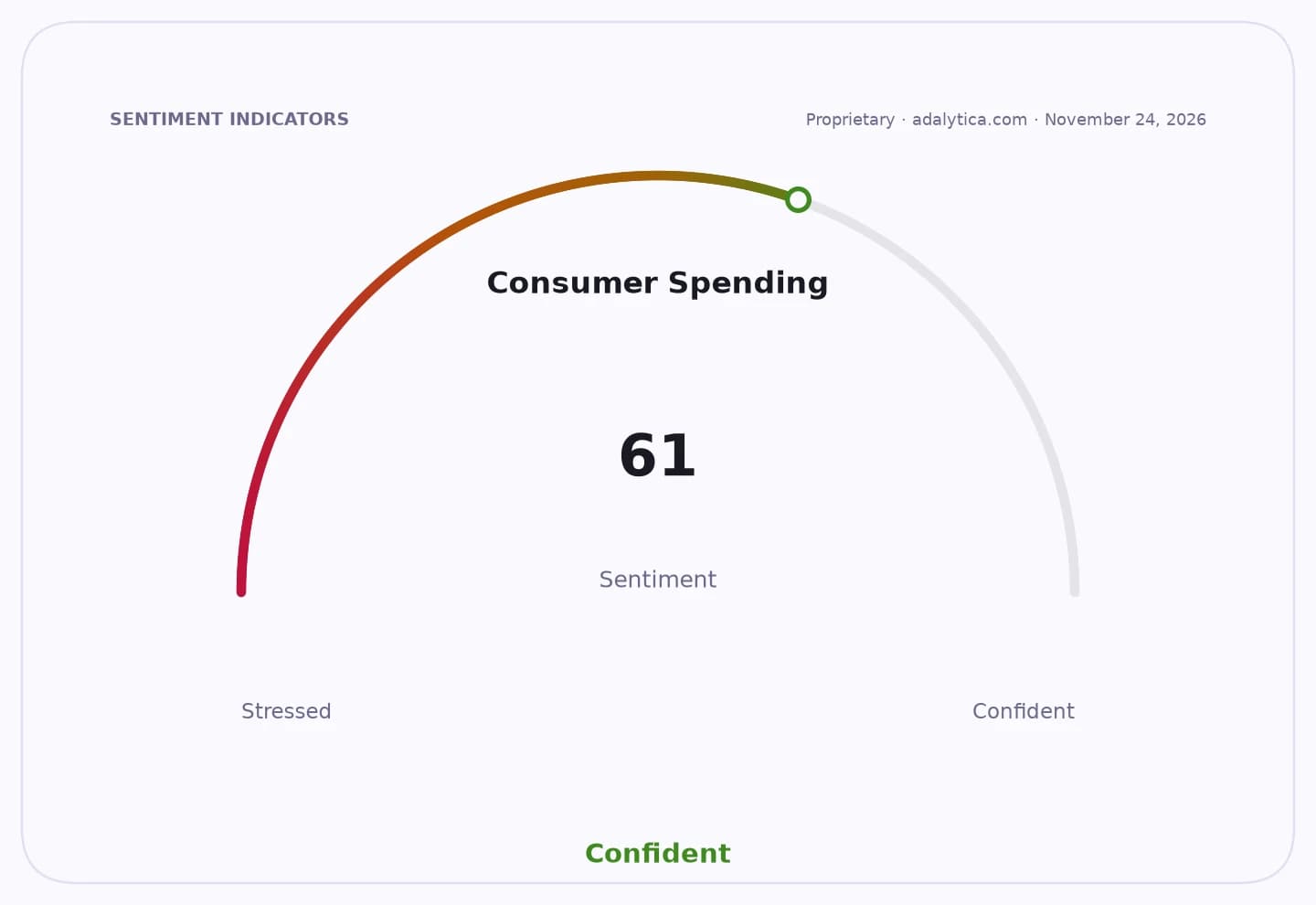
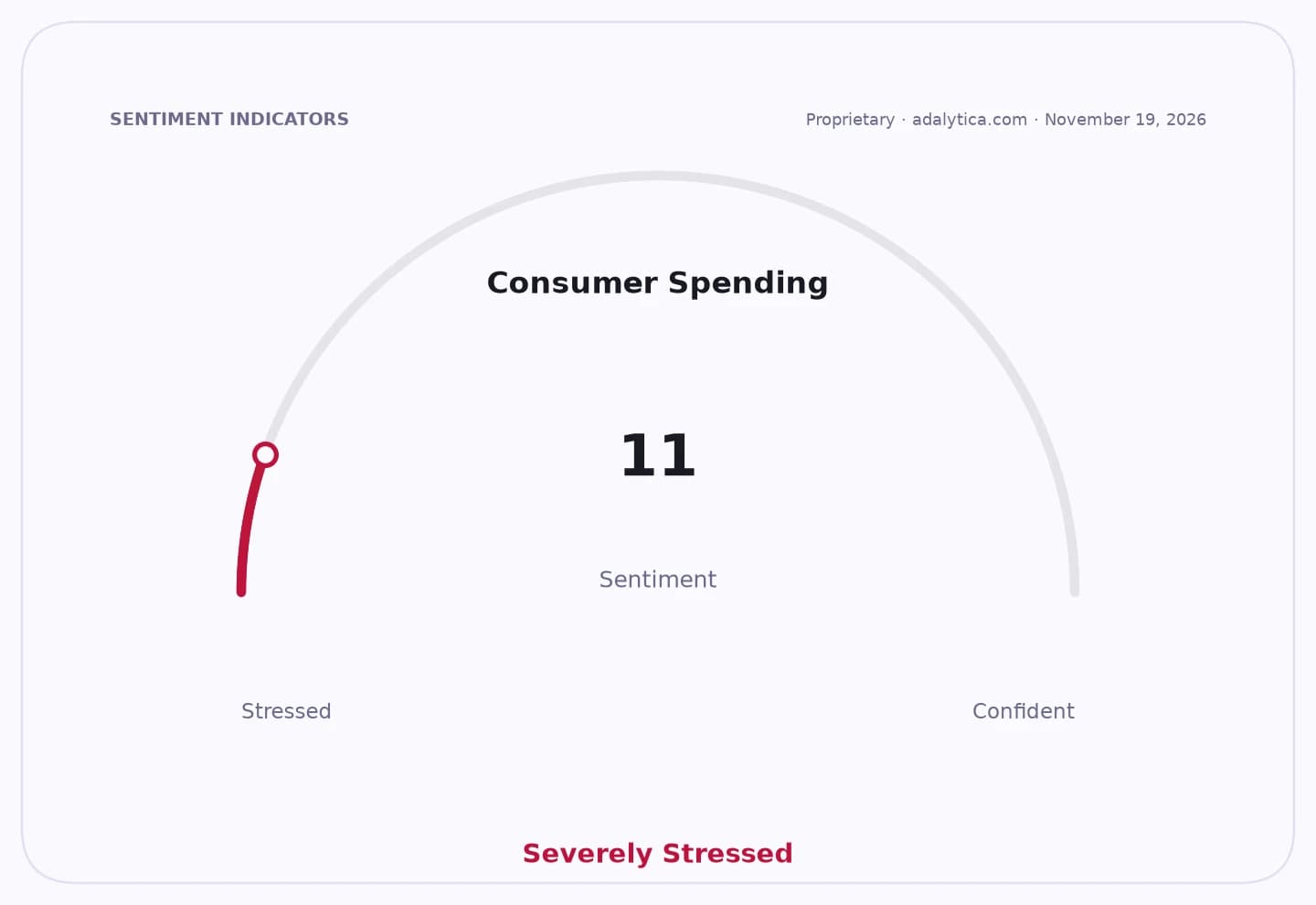
Sentiment Indicators
Total retail sales volume increased by $561 million from the June quarter, with the biggest rises concentrated in motor vehicles and parts, pharmaceuticals and fuel. First Retail Group managing director Chris Wilkinson said freight costs were now being reflected in big-ticket items, even as the number of buyers and visits to stores and websites was not expanding.
For investors, that is a warning that revenue growth may be flatter underneath the surface than headline sales data implies. When transaction values rise faster than traffic, margins can remain under pressure if retailers are forced to absorb higher logistics costs, discounting intensifies, or demand simply fails to widen beyond essentials and replacement purchases.
Consumer Spending
The split also highlights a broader economic tension: household spending is holding up on paper, but the composition looks defensive. Fuel and pharmaceuticals are necessities, while motor vehicles can lift totals when financing, pricing or replacement cycles move in retailers’ favor. That is less convincing than a true discretionary upswing.
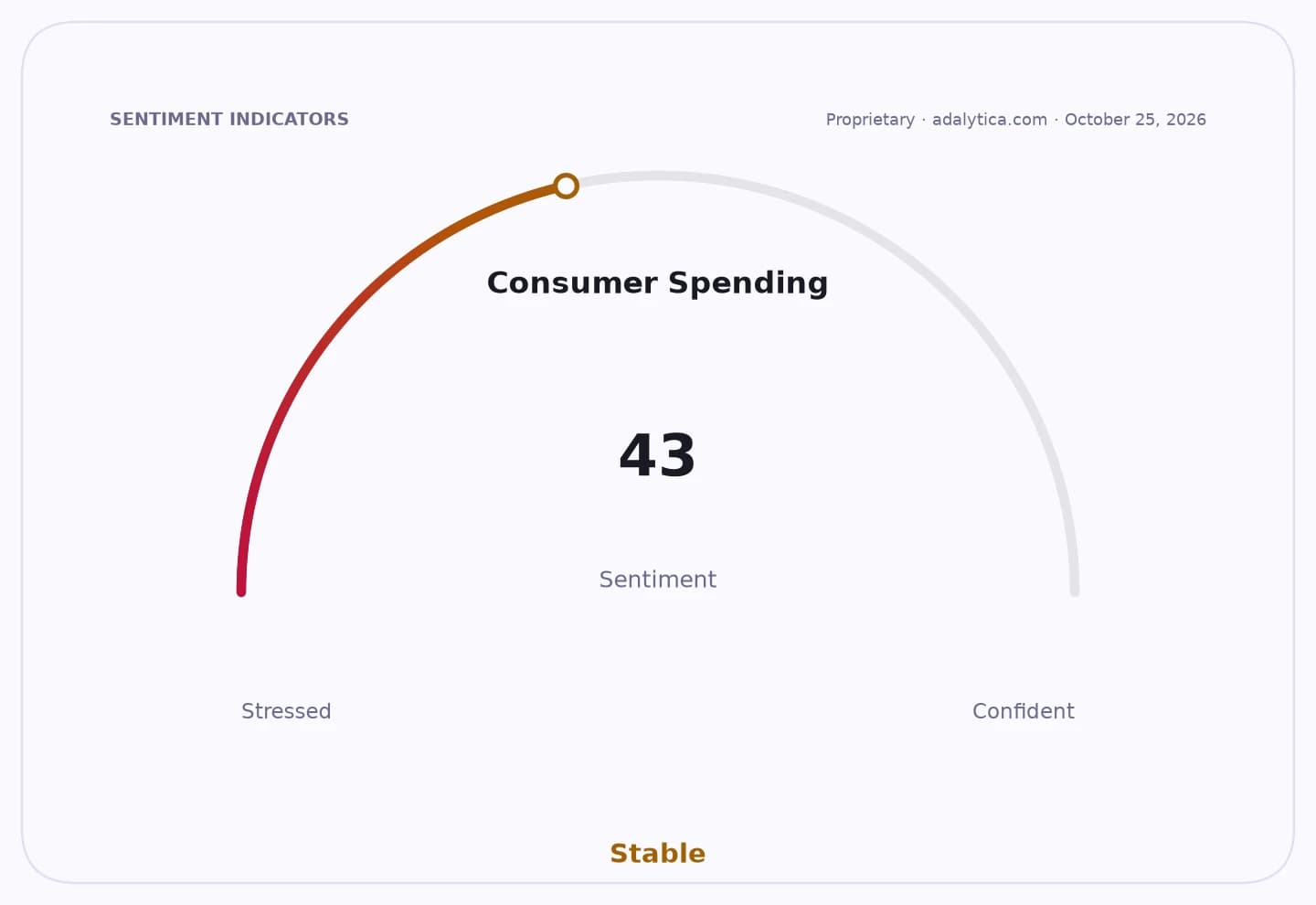
The reading comes with unemployment still at 4.1%, suggesting the labor market is not yet flashing outright distress. But the combination of steady joblessness, firmer retail receipts and weak footfall points to a consumer that is cautious, selective and still very price aware.
That is exactly the setup where the market often misprices the next phase. The biggest winners are the operators with scale, pricing power and omnichannel reach; the laggards are the chains relying on pure volume growth. If freight inflation keeps feeding through to shelf prices without a matching lift in traffic, the next leg of the retail trade will belong to businesses that can protect margins, monetize fulfillment, and convert fewer visits into larger orders.
For now, the message is simple: sales are rising, but the underlying shopper is not yet returning in force. That is a caution flag for the sector and a reason to favor the retailers and platforms best positioned to thrive in a low-traffic, high-ticket environment.
| Entity | Gains | Losses |
|---|---|---|
| Large omnichannel retailers | ▲Higher basket values | ▼Weak store traffic |
| Freight-exposed suppliers | ▲Pass-through pricing | ▼Margin squeeze if demand softens |
| Pure-footfall retailers | ▲Temporary sales lift | ▼Fewer shoppers |
| E-commerce and fulfillment leaders | ▲More need for convenience | ▼Traffic-based models |