Nigeria is building the infrastructure, data and skills base needed for artificial intelligence to become a meaningful commercial engine, and the economic payoff will depend on whether private companies move quickly enough to turn those public investments into products and jobs.
Nigeria builds AI infrastructure for commercial growth
Communications and Digital Economy Minister Bosun Tijani said the Federal Government is laying the foundation for AI adoption by focusing on five core inputs: connectivity, compute and data infrastructure, data, skills and research capacity, and policy and institutions. The message is important because AI’s growth is no longer just a technology story; it is becoming a productivity and competitiveness issue for emerging economies that risk falling behind if they do not build the right digital rails.
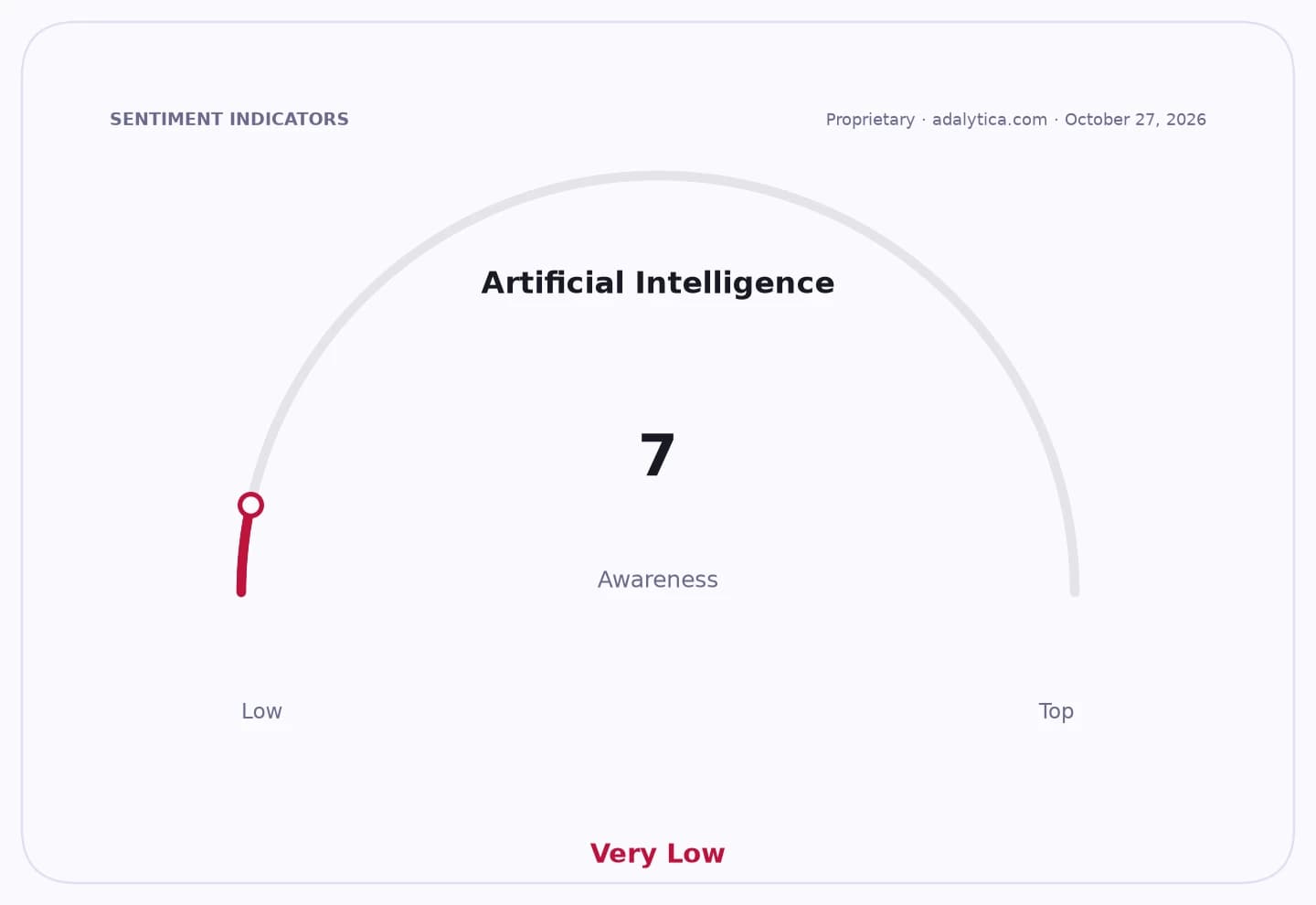
Sentiment Indicators
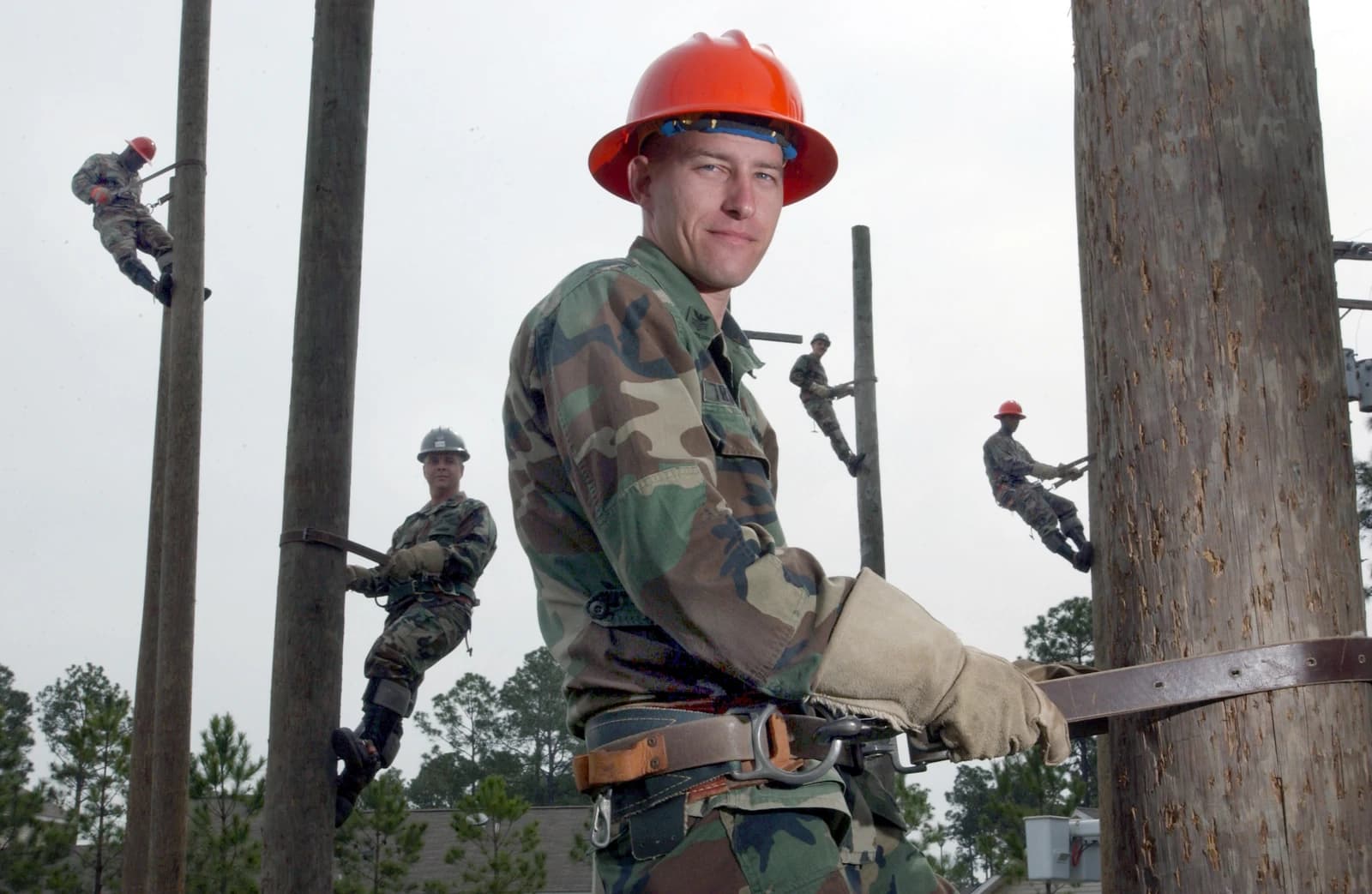
Tijani said Nigeria is investing $2 billion in an open-access fibre network spanning 90,000 kilometres, a scale that could materially improve broadband access if execution matches ambition. He also said the government is creating shared computing capacity for researchers, building local AI capabilities and aiming to train three million technical workers. Those steps matter because AI adoption is constrained less by hype than by access to reliable connectivity, affordable computing power and a workforce able to build and deploy applications.
The government is also trying to localize AI in a country where language and data constraints have long limited the usefulness of imported digital tools. Tijani said Nigeria has developed a government-backed large language model that can communicate in Yoruba, Hausa, Igbo, Ibibio and accented English. That could be commercially significant if it helps banks, telecoms, health-care providers and public agencies build tools that work for local users rather than forcing foreign models into Nigerian conditions.
For investors, the key question is whether this becomes a repeat of the mobile-phone liberalisation that followed sector reform in 2001. Tijani pointed to that period as proof that government action can unlock private capital and create spillovers across fintech, commerce and logistics. A similar dynamic in AI could benefit telecom operators, cloud and data-centre providers, software developers and systems integrators, while opening new revenue pools in agriculture, education and health care.
The opportunity is sizeable, but so is the risk of value leakage. Arunma Oteh, who convened the Oxford Global Think Tank, said Africa must shape AI’s future or be left behind, while Chidinma Okolo warned the continent risks repeating the pattern seen in cocoa, crude oil and cobalt if it fails to own the technology and the economic value it generates. That is the central investment issue: whether Nigeria and Africa build domestic platforms and data ownership, or remain consumers of foreign AI systems.
The broader market backdrop reinforces the urgency. Global AI sentiment remains cautious even as adoption accelerates, with concerns about control, regulation and the ability to convert productivity gains into durable growth. In that environment, countries that can combine policy clarity with real infrastructure are more likely to attract long-term capital than those relying on headline-grabbing announcements alone.
For Nigeria, the next test is execution. If the fibre build-out, compute access and talent programme move from policy to deployment, AI could become a new layer of growth on top of the country’s digital economy. If not, the benefits may flow mainly to foreign platforms and vendors rather than Nigerian firms and workers.
| Entity | Gains | Losses |
|---|---|---|
| Nigerian businesses | ▲New AI tools and market opportunities | ▼Higher execution and adoption costs |
| Federal Government of Nigeria | ▲Credibility as digital-policy driver | ▼Pressure to deliver on infrastructure promises |
| Telecoms and tech firms | ▲Demand for connectivity, cloud and AI services | ▼Delays if fibre and compute rollouts lag |
| Foreign AI vendors | ▲Access to a growing market | ▼Local competition if Nigeria builds domestic models |