Nigeria’s banking reforms are beginning to open the credit tap for households and companies, but the cost of borrowing is still too high to unlock a broad-based lending boom.
Nigeria banks lending rises as borrowing costs stay high
That is the central message from bankers and economists reacting to the Central Bank of Nigeria’s latest Credit Conditions Survey, which showed stronger demand for secured, unsecured and corporate loans, higher approval rates and lower default rates across major categories. The shift matters because credit availability is one of the clearest transmission channels from monetary and banking reform to real economic activity: if banks can lend more and borrowers can service debt, household consumption, business investment and jobs all improve.
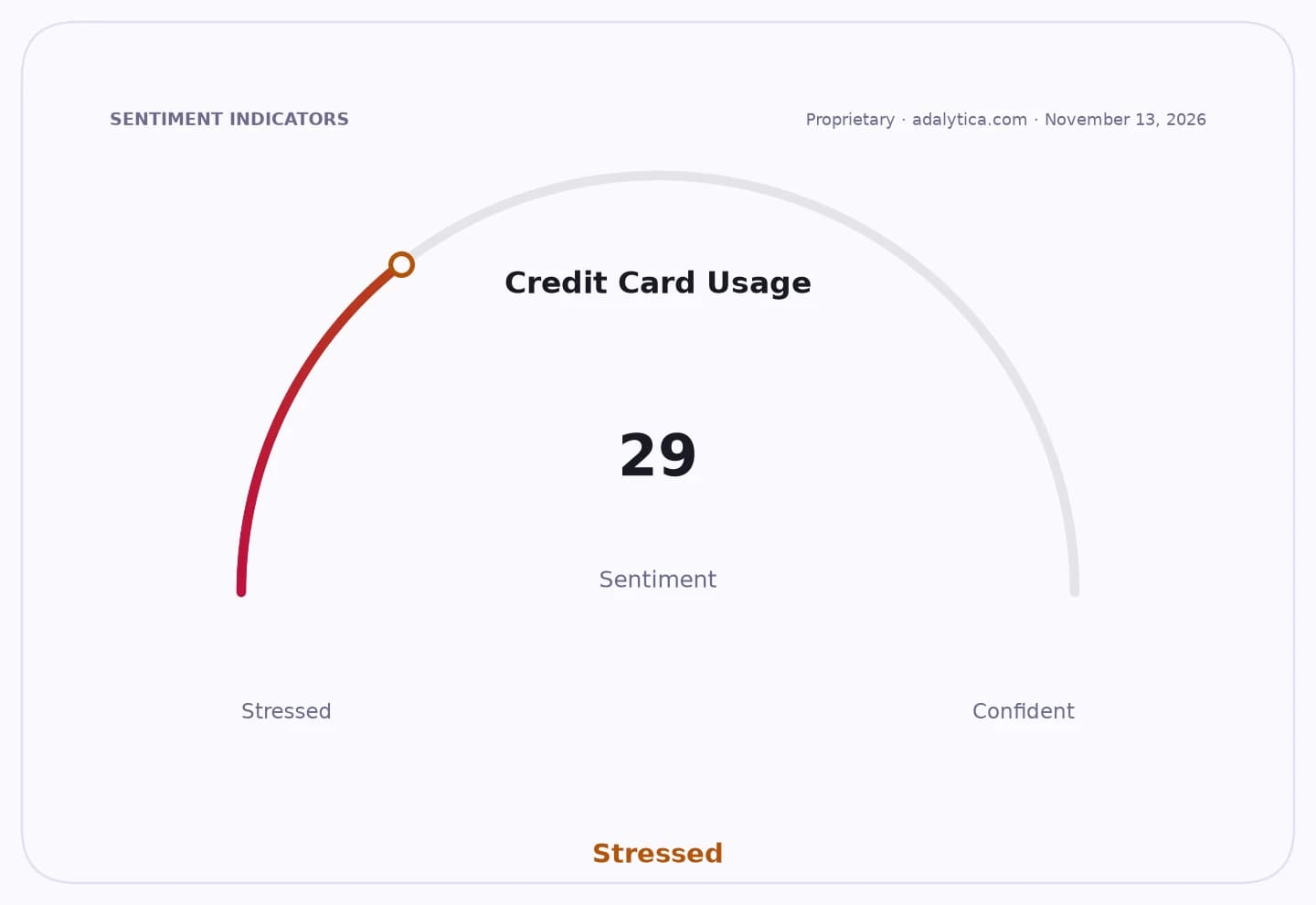
Sentiment Indicators
The survey pointed to especially strong demand for secured lending, with an index of 25.6, while consumer loans to households registered 42.9 and credit for house purchases 28.0. Mortgage and remortgage lending came in at 12.0, suggesting demand is improving but still far from a full housing-finance expansion. Lending to small businesses by households, however, remained weak at minus 19.7, underscoring how uneven the recovery in credit access remains.
The backdrop is the CBN’s recapitalisation drive, which has strengthened bank balance sheets and, according to lenders, increased their ability to deploy capital profitably. Optimus Bank chief executive Ademola Odeyemi said lending had “picked up” because banks raised capital and now have the capacity to expand their loan books. That is significant for the sector because higher capital buffers reduce solvency pressure and allow banks to take more credit risk, but only if that risk is priced appropriately and the economy can support repayment.
The catch is that interest rates remain punitive for many borrowers. High borrowing costs limit the number of households and firms that can translate demand into actual borrowing, especially in an economy still wrestling with inflation, currency volatility and thin cash flows. In practical terms, that means the reform dividend is being felt first at the banking-system level — stronger liquidity, more lending capacity and better supervision — rather than in a sudden surge in credit-led growth.
Economist Ayo Teriba argued that Nigeria is in a broader liquidity expansion that is beginning to reach the banking system after first lifting foreign exchange and capital markets. He said the current cycle differs from the 2006-07 expansion because it is being driven by domestic reforms rather than a boom in oil prices. If that thesis holds, the macro implications are important: stronger liquidity, a firmer naira and moderating inflation could eventually ease funding costs and support a more durable rise in lending.
For investors, the story cuts two ways. Banks stand to benefit from stronger loan growth and potentially better profitability if capital is put to work efficiently. But the risk is that a weak business environment and expensive credit could still produce a new wave of non-performing loans, eroding the gains from recapitalisation. That is why the CBN’s higher supervision standards matter as much as the capital hike itself.
The household angle is also changing. Muda Yusuf of the Centre for the Promotion of Private Enterprise said financial inclusion, especially through fintechs and digital lending platforms, has widened access to consumer credit via small loans and overdrafts. That supports spending and demand for goods and services, but it also raises the stakes for credit quality if lending grows faster than incomes.
The near-term outlook therefore hinges on whether Nigeria can move from credit access to credit affordability. If borrowing costs begin to fall, the current improvement in demand and approvals could broaden into a real credit cycle. If they stay elevated, the reforms will still strengthen the banking system — but the macro payoff will arrive more slowly than lenders and policymakers would like.
| Entity | Gains | Losses |
|---|---|---|
| Nigerian banks | ▲Stronger lending capacity | ▼Pressure to manage credit risk |
| Households and businesses | ▲Better access to formal credit | ▼High borrowing costs |
| Central Bank of Nigeria | ▲Stronger reform credibility | ▼Need to prevent bad loans |
| Borrowers in small business segment | ▲Potential future access | ▼Current weak credit demand |