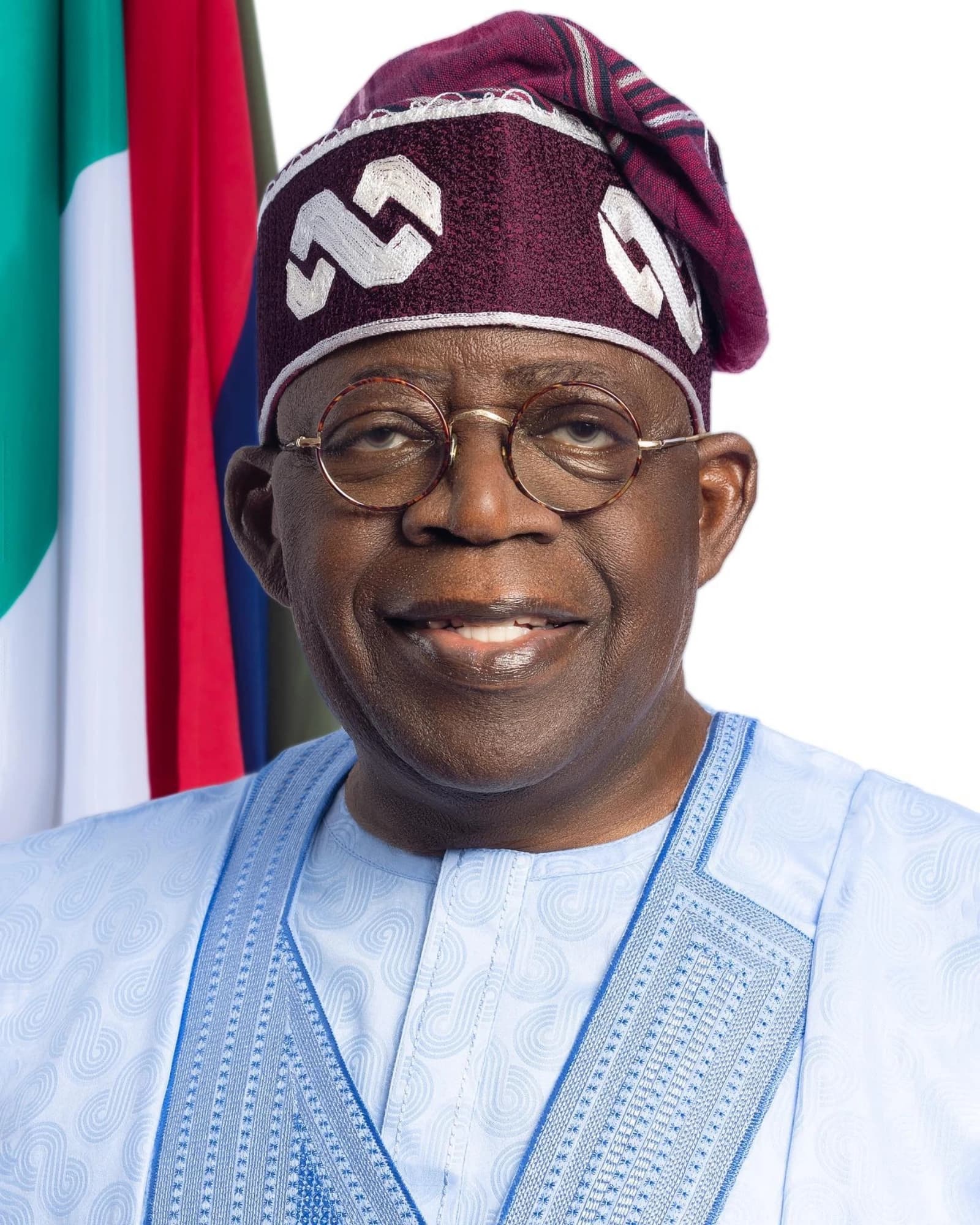
President Bola Tinubu’s push to build a “credit culture” could become the most consequential part of his economic reset, because Nigeria’s recovery will depend not just on tighter fiscal discipline but on whether households and businesses can borrow, spend and invest at scale.
Nigeria Credit Culture Push Could Lift Lending

For an economy that has struggled for years with weak growth, high inflation and limited formal financing, the proposal matters because credit is the transmission mechanism for consumption and capital formation. Without broader access to loans, Nigeria risks remaining trapped in a cash-constrained model where small businesses cannot expand, consumers cannot smooth spending and banks remain disconnected from the real economy.
Sentiment Indicators
The policy logic is straightforward: if borrowing becomes cheaper, easier and more widely available, domestic demand could strengthen and private investment could follow. That would support sectors such as retail, manufacturing, telecoms and payments, all of which depend on more active consumer finance. It would also help move economic activity away from an overreliance on cash and short-term liquidity management.
The challenge is that credit creation is only helpful if incomes, inflation and underwriting improve alongside it. Nigeria’s banks can extend more loans, but rapid credit growth in a high-rate, high-inflation environment can quickly turn into asset-quality stress if borrowers are already stretched. Investors will be watching whether the administration can expand credit without repeating the experience of other emerging markets where aggressive lending later produced defaults and tighter regulation.
The broader market implications extend beyond local lenders. A deeper credit economy would be positive for banks, fintechs and payment companies that benefit from more formal financial activity and higher transaction volumes. It could also improve the investment case for consumer-facing companies if financing starts supporting durable spending rather than episodic demand.
Still, the policy will be judged by execution rather than rhetoric. If Tinubu can pair easier access to credit with stronger institutions, better data on borrowers and policies that reduce inflation pressure, the proposal could help unlock a more durable growth cycle. If not, it risks becoming another reform slogan in an economy that has already seen too many.
| Entity | Gains | Losses |
|---|---|---|
| Nigerian banks | ▲More loan growth | ▼Higher credit risk |
| Consumers and SMEs | ▲Easier borrowing | ▼Debt burden if rates stay high |
| Payment firms | ▲Higher transaction volumes | ▼Slower adoption if trust stays low |
| Government | ▲Faster growth channel | ▼Political cost if defaults rise |