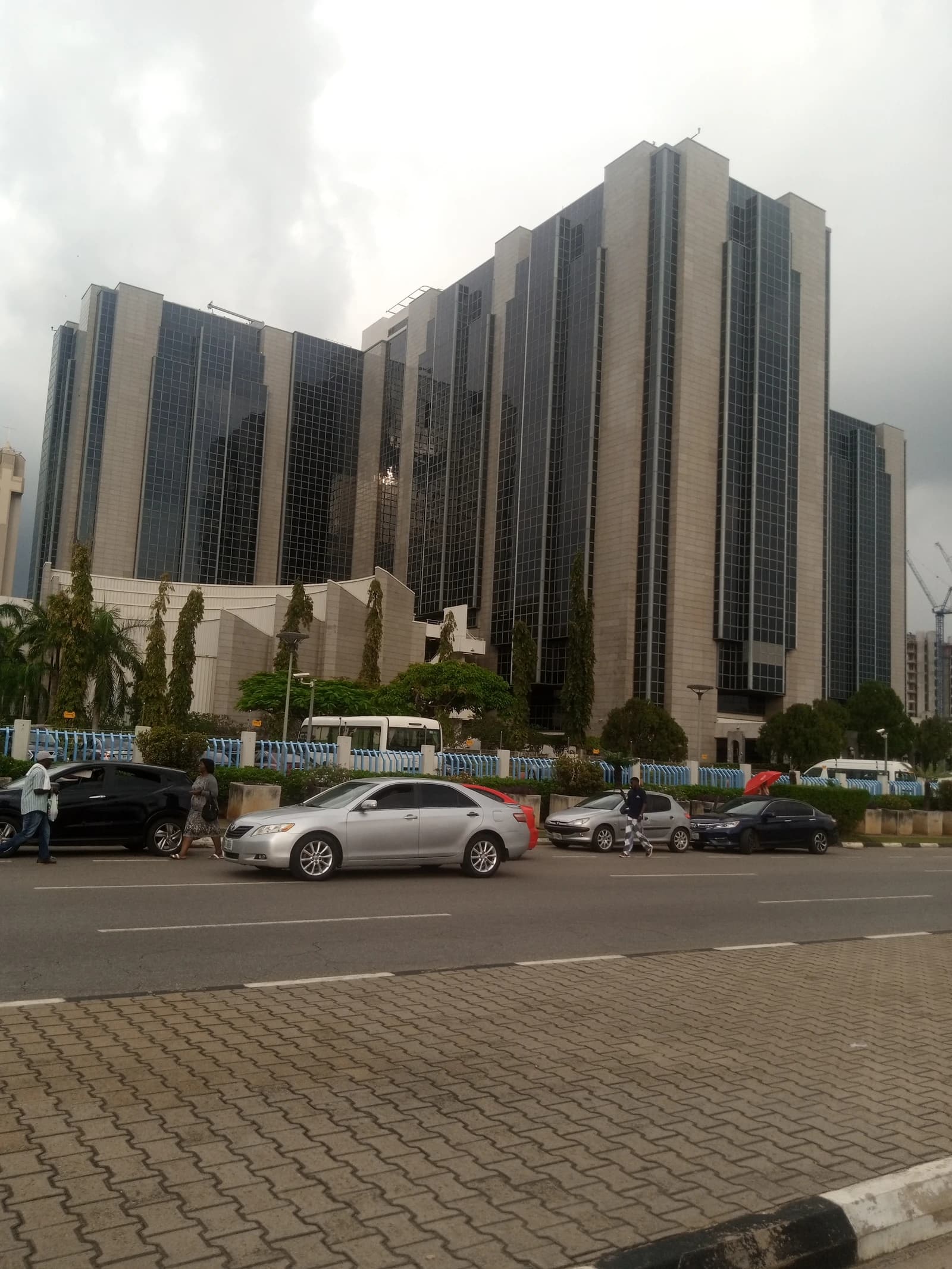
Nigeria’s plan to seek another $21.7 billion in loans is now as much a test of trust as it is of fiscal policy.
Nigeria borrowing plan faces trust test over projects
That is because the country is asking lawmakers and investors to look past a public debt stock that already stood at N166.79 trillion at the end of June and focus on whether any fresh borrowing will actually produce roads, power lines, water systems and security assets Nigerians can see and use.
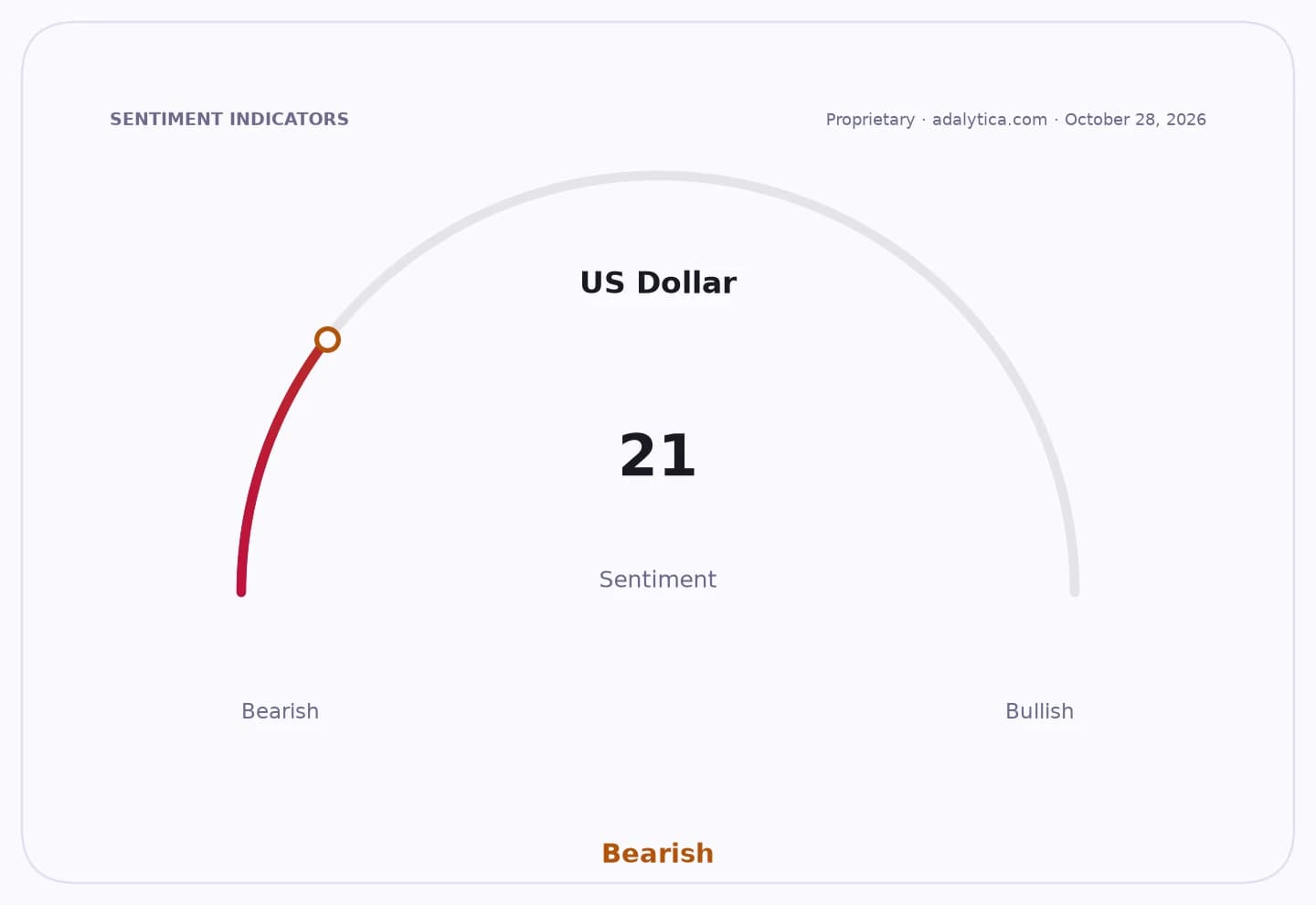
Sentiment Indicators
The government says the new external financing — $20.52 billion and €1.045 billion across 2026 and 2027 — is needed to close infrastructure gaps in sectors from transport and health to agriculture and education. But the bigger issue is not whether Nigeria needs capital. It clearly does. The question is whether the state can turn borrowing into completed projects rather than another round of promises, abandoned sites and rising debt service.
That skepticism is hard-earned. BudgIT’s Tracka found that hundreds of public projects were either abandoned, unexecuted or still unfinished in recent monitoring rounds, while broader estimates of abandoned projects across the country run into the trillions of naira. When that history meets a new borrowing request, investors and citizens naturally ask a simple question: what will be different this time?
This is where Sukuk enters the debate. Economists and project-finance specialists argue that Nigeria should expand project-linked funding, especially sovereign Sukuk, because it ties borrowing to identifiable assets and can improve transparency. The appeal is obvious for long-term investors. Sukuk is not a cure-all, but it creates a clearer link between proceeds, project delivery and public accountability than conventional borrowing often does.
Nigeria’s own experience supports that argument. Its sovereign Sukuk programme, launched in 2017, has been used mainly for road rehabilitation. States such as Osun and Lagos have also tapped the market for infrastructure. The instrument matters because it forces a more visible discipline: named projects, disclosed locations, defined timelines and stronger reporting. For a country struggling with trust, that structure is valuable.
But the financing vehicle alone will not solve the problem. The more important reform is governance. Experts want the National Assembly to demand a full borrowing dossier, including every project, lender, interest rate, grace period and repayment schedule, before approving the plan. They also want stress tests for currency depreciation, because dollar borrowing can become far more expensive if the naira weakens again.
That risk is not theoretical. Debt service is already crowding out development spending, and analysts warn that interest costs could keep rising fast enough to squeeze agriculture, health, works, defense and education. In investor terms, that is the real macro story: if debt service keeps consuming fiscal space, Nigeria’s growth story becomes weaker, not stronger, no matter how many loans are approved.
For equity investors and holders of Nigerian assets, the stakes are broader than sovereign accounting. Better infrastructure can lift productivity, ease logistics bottlenecks and support corporate earnings across banking, industrials and consumer sectors. But if borrowing keeps funding poor execution, then the result is slower growth, more pressure on the currency and a heavier burden on future budgets.
The good news is that the debate itself is moving in the right direction. More voices are now pushing for project-level disclosure, independent audits and traceable disbursements. That is exactly the kind of discipline long-term investors should want before committing capital to Nigeria’s story.
Sukuk can help restore confidence, but only if the government proves that borrowed money is tied to visible, productive assets and that the public can track the money from issue to completion. Until then, Tinubu’s borrowing plan remains a credibility test, not just a financing package.
| Entity | Gains | Losses |
|---|---|---|
| Nigerian government | ▲More infrastructure funding | ▼More scrutiny over credibility |
| Sukuk investors | ▲Asset-backed transparency | ▼Limited scale if reforms stall |
| Taxpayers | ▲Better projects if delivered | ▼Higher repayment burden |
| Conventional bondholders | ▲Continued issuance opportunities | ▼Lower appeal versus project-linked debt |