The naira weakened further against the dollar on Wednesday as Nigeria’s external reserves continued to drift lower, underscoring how the currency remains sensitive to swings in the country’s foreign-exchange buffer.
Nigeria naira weakens as reserves fall

At the official market, the naira eased to N1,347.79 per dollar from N1,346.93 on Tuesday, a marginal day-on-day decline that still points to persistent pressure on the local currency. In the parallel market, it traded around N1,400 per dollar, wider than the official rate and a reminder that underlying FX demand remains elevated outside the formal market.
Sentiment Indicators
The move matters economically because reserves are the first line of defense for a central bank managing currency stability in an import-dependent economy. Nigeria’s external reserves fell for a second time this week to $55.15 billion on Nov. 3, limiting the cushion available to support the naira, smooth volatility and reassure traders that dollar liquidity is sufficient. Even small daily declines can matter when the market is already pricing in pressure on foreign-currency supply.
For investors, the direction of reserves is often more important than the daily move itself. A weakening naira can feed imported inflation, raise funding costs for companies with dollar liabilities and complicate planning for businesses that rely on foreign inputs. It also keeps pressure on fixed-income and equity valuations, since currency weakness can erode real returns and force further tightening from policymakers if inflation becomes harder to contain.
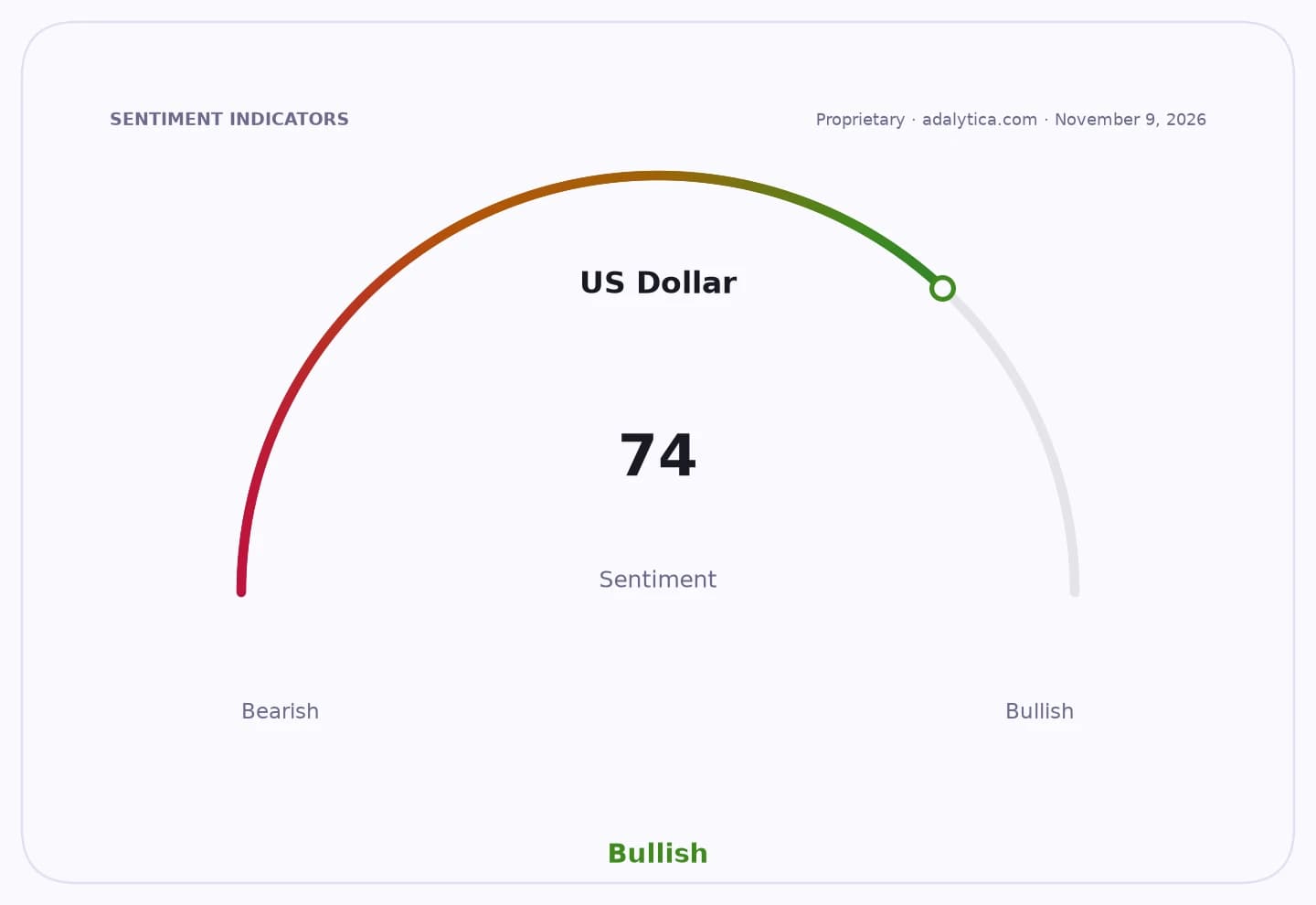
The latest move comes against a backdrop of tighter global financial conditions and a stronger dollar environment that can make capital flows into emerging markets more fragile. Adalytica’s US dollar trade signals show neutral sentiment but elevated awareness, while FX volatility indicators remain in an extreme-greed zone, suggesting traders are still alert to sharp swings in currency markets.
For now, the official market remains relatively orderly, but the widening gap with the parallel market shows that demand for hard currency has not fully normalized. If reserves keep falling, the central bank may have less room to defend the naira without either tightening domestic liquidity further or accepting a slower, more market-driven depreciation.
The key question for the coming sessions is whether reserve losses stabilize enough to anchor expectations. If they do not, the naira’s drift lower could accelerate, with knock-on effects for inflation, corporate margins and portfolio flows.
| Entity | Gains | Losses |
|---|---|---|
| Importers | ▲None | ▼Higher dollar costs |
| Exporters | ▲Naira revenue boost | ▼Imported input inflation |
| Consumers | ▲None | ▼Pricier imported goods |
| Central Bank of Nigeria | ▲More policy pressure | ▼Less FX buffer |