The Indonesian rupiah firmed on the back of a softer U.S. dollar, giving investors a reminder that even battered emerging-market currencies can rebound when the greenback loses momentum.
Indonesian Rupiah Firms as U.S. Dollar Weakens
US Dollar
That is the key story here: the rupiah’s gain was not driven by a sudden domestic policy shock, but by a shift in global currency sentiment. On Thursday, the rupiah closed at 18,082 per dollar, strengthening 86 points, or 0.47%, from 18,168 in the previous session, according to ANTARA. Bank Indonesia’s JISDOR reference rate also improved to 18,094 from 18,140, reinforcing the view that the move was broad-based rather than a one-off print.
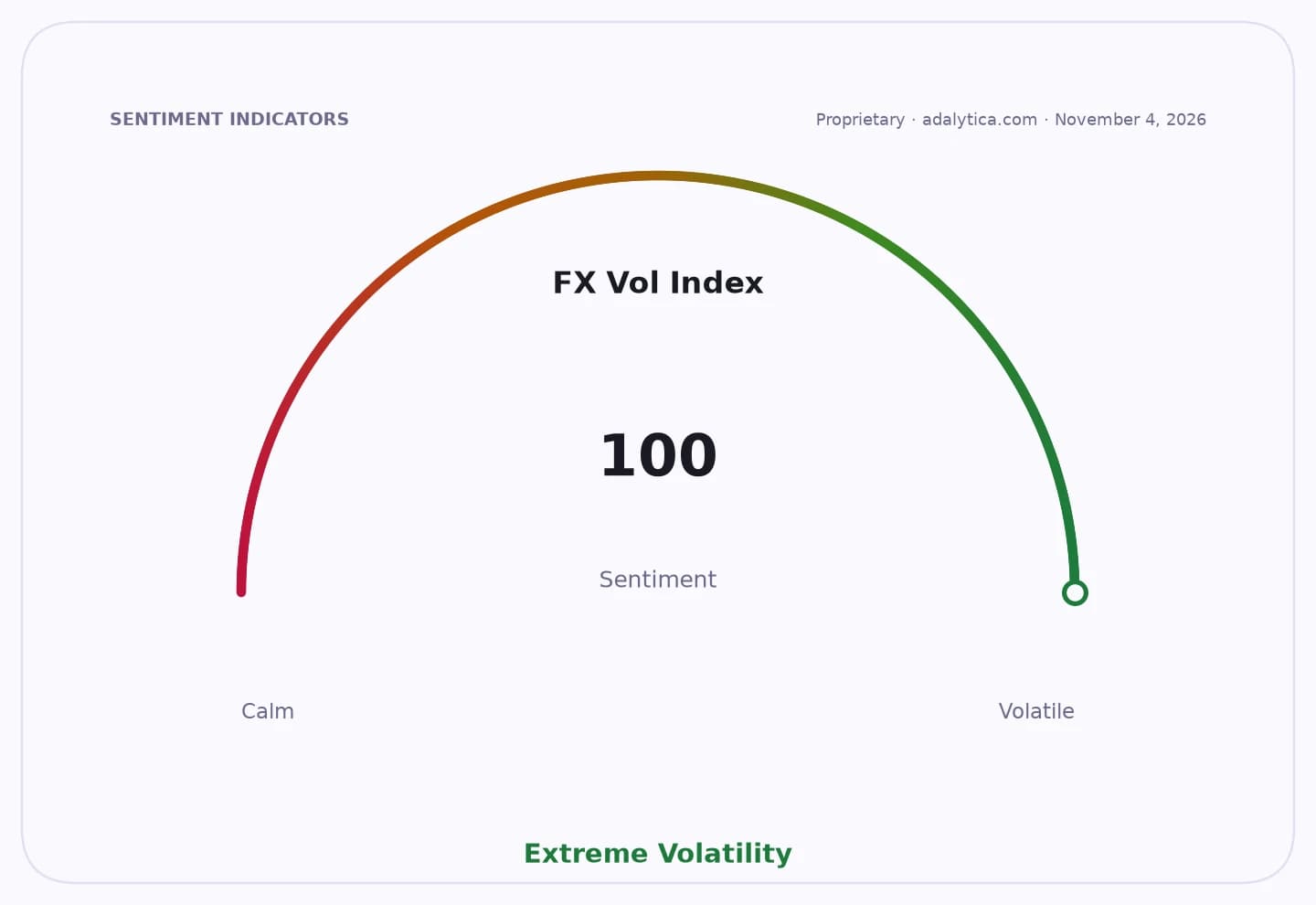
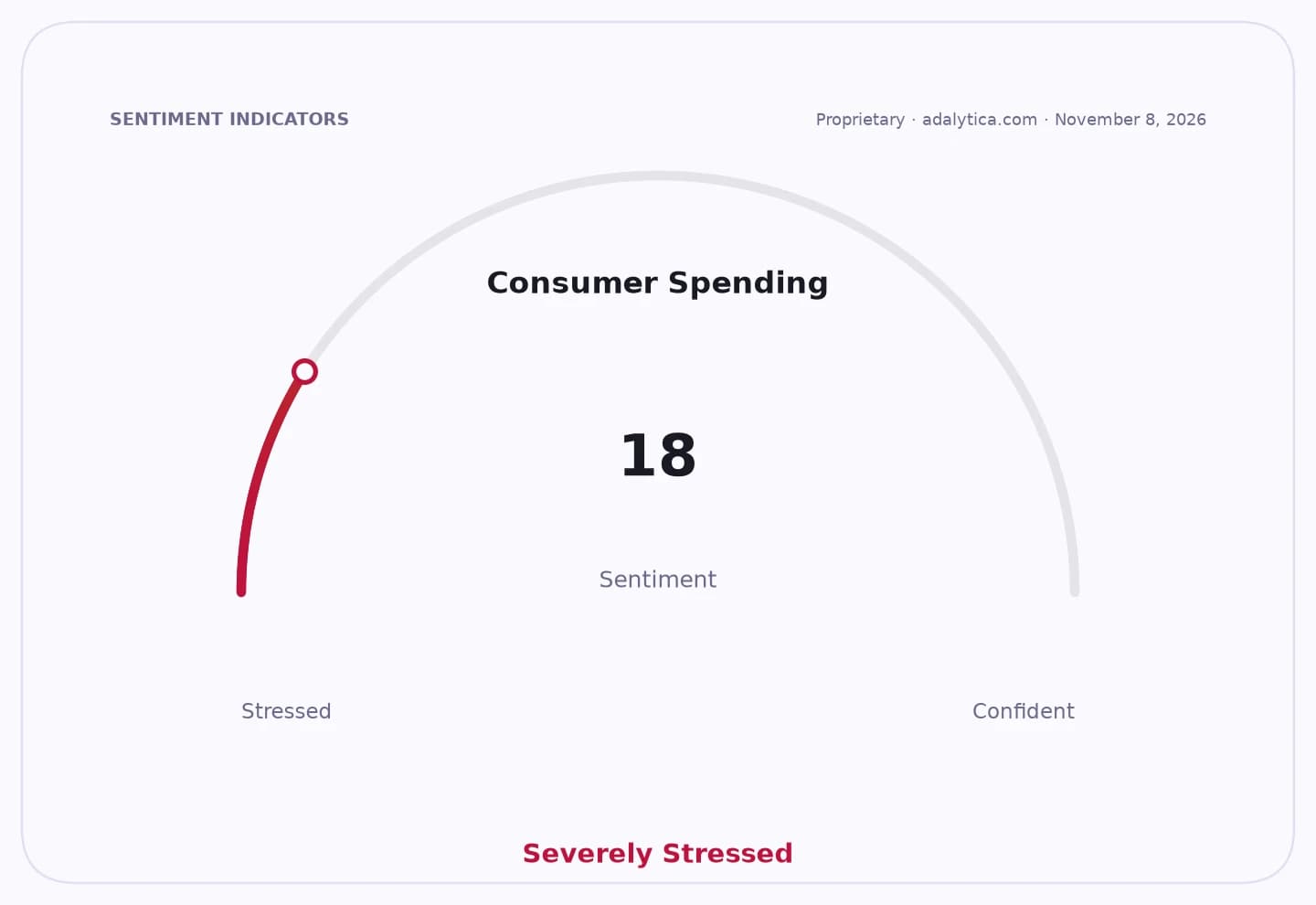
Sentiment Indicators
For long-term investors, that matters because currency moves feed directly into imported inflation, energy costs and the cost of servicing foreign-currency debt. A stronger rupiah eases pressure on Indonesia’s import bill, particularly for fuel, and can help support margins for businesses that rely on dollar-priced inputs. It also tends to improve sentiment toward local assets more generally, especially when global investors are looking for yield outside the United States.
The immediate catalyst was a weaker dollar in global markets, which came under pressure after U.S. political and rates developments dented appetite for dollar assets. Falling U.S. Treasury yields also made dollar-denominated holdings less attractive, opening the door for emerging-market currencies like the rupiah to recover. That is the classic macro transmission investors should watch: when the dollar softens, capital often becomes a little more willing to rotate into higher-yielding currencies and risk assets.
There is still a catch. The U.S. economy has not rolled over, and that limits how far the dollar may fall. The ADP report showed private payrolls rose by 86,000 in October, above expectations, while the services sector remained in expansion territory. In other words, the U.S. backdrop is mixed, not decisively weak. That helps explain why the rupiah’s improvement may be real but uneven rather than a straight-line trend.
Indonesia, though, has its own support. Growth in the third quarter came in at 5.47% year on year, above the previous quarter and ahead of expectations, with household consumption and exports doing much of the work. That is the sort of domestic backdrop investors want to see: a currency gaining help from both external dollar weakness and better-than-expected local growth. It does not remove volatility, but it does improve the fundamental case for holding Indonesian assets over a multiyear horizon.
The caution for investors is that currencies rarely move cleanly. The rupiah is still vulnerable to swings in U.S. rates expectations, energy prices and global risk appetite. Recent U.S. labor data and the still-firm services economy show why the dollar is unlikely to stay weak without a fight. For patient investors, the better takeaway is not to chase every day’s move, but to recognize when the macro backdrop is turning more supportive. In that sense, the rupiah’s bounce is worth watching, especially for those with exposure to Indonesia’s economy, but it is best treated as a signal to stay diversified rather than a reason to make a big currency bet.
| Entity | Gains | Losses |
|---|---|---|
| Rupiah | ▲Lower import pressure | ▼Short-term dollar buyers |
| Indonesian importers | ▲Cheaper energy costs | ▼FX hedgers with weak-rupiah bets |
| U.S. dollar | ▲None from this move | ▼Yield-sensitive investors |
| Indonesian assets | ▲Better sentiment | ▼Exporters earning dollars in local terms |