The rupiah is under pressure to end the year weaker, with market watchers warning the currency could slide to Rp18,350 per US dollar if capital outflows persist and external risks stay elevated.
Rupiah Weakens as Year-End Outflow Risks Build
That forecast matters because Indonesia’s currency now sits at the intersection of tighter global financial conditions, higher US yields and a fragile domestic capital-flow backdrop. For investors, the implications run from imported inflation and a heavier hedging bill to weaker returns for local assets that are sensitive to foreign ownership, including bonds and equities.
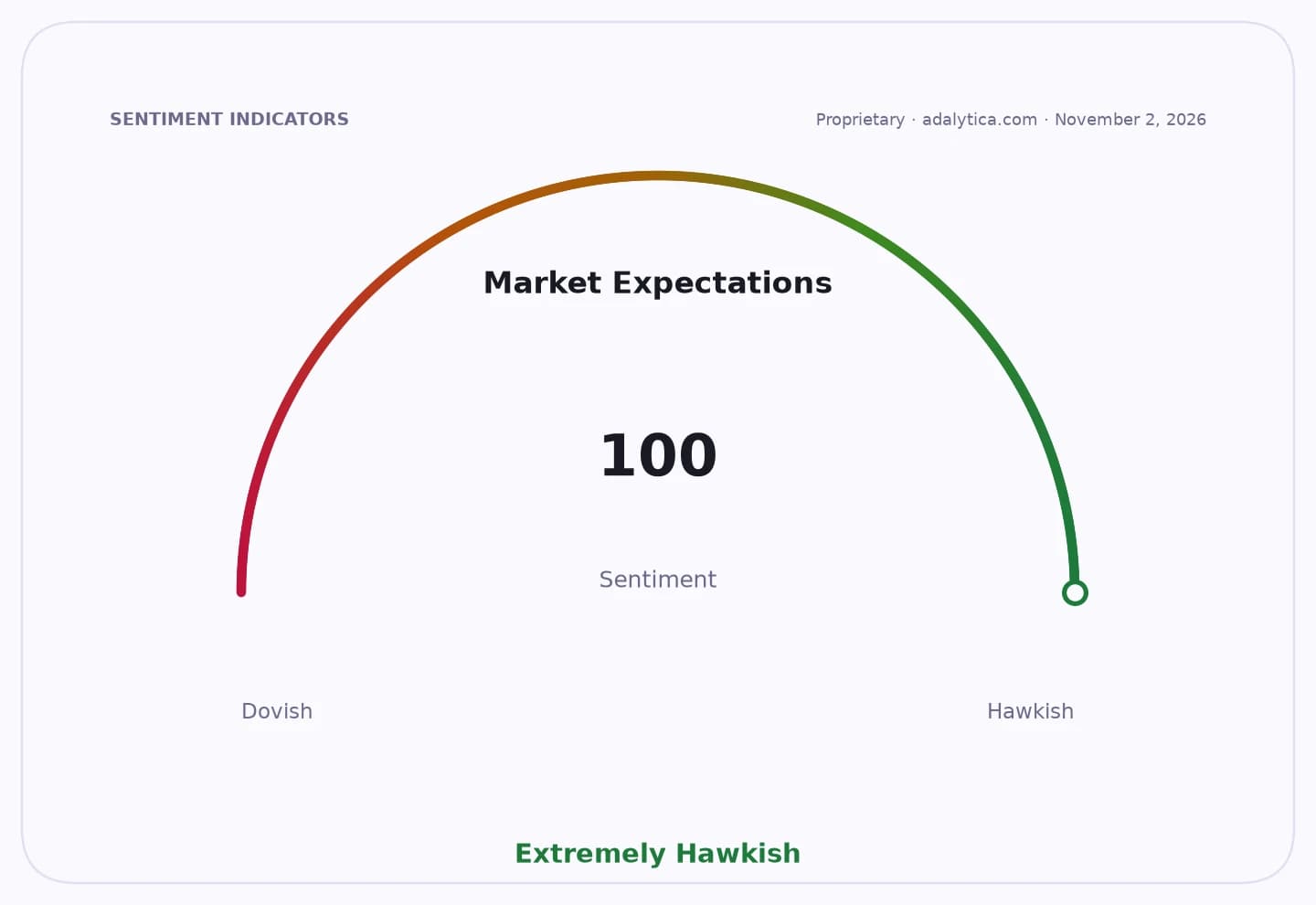
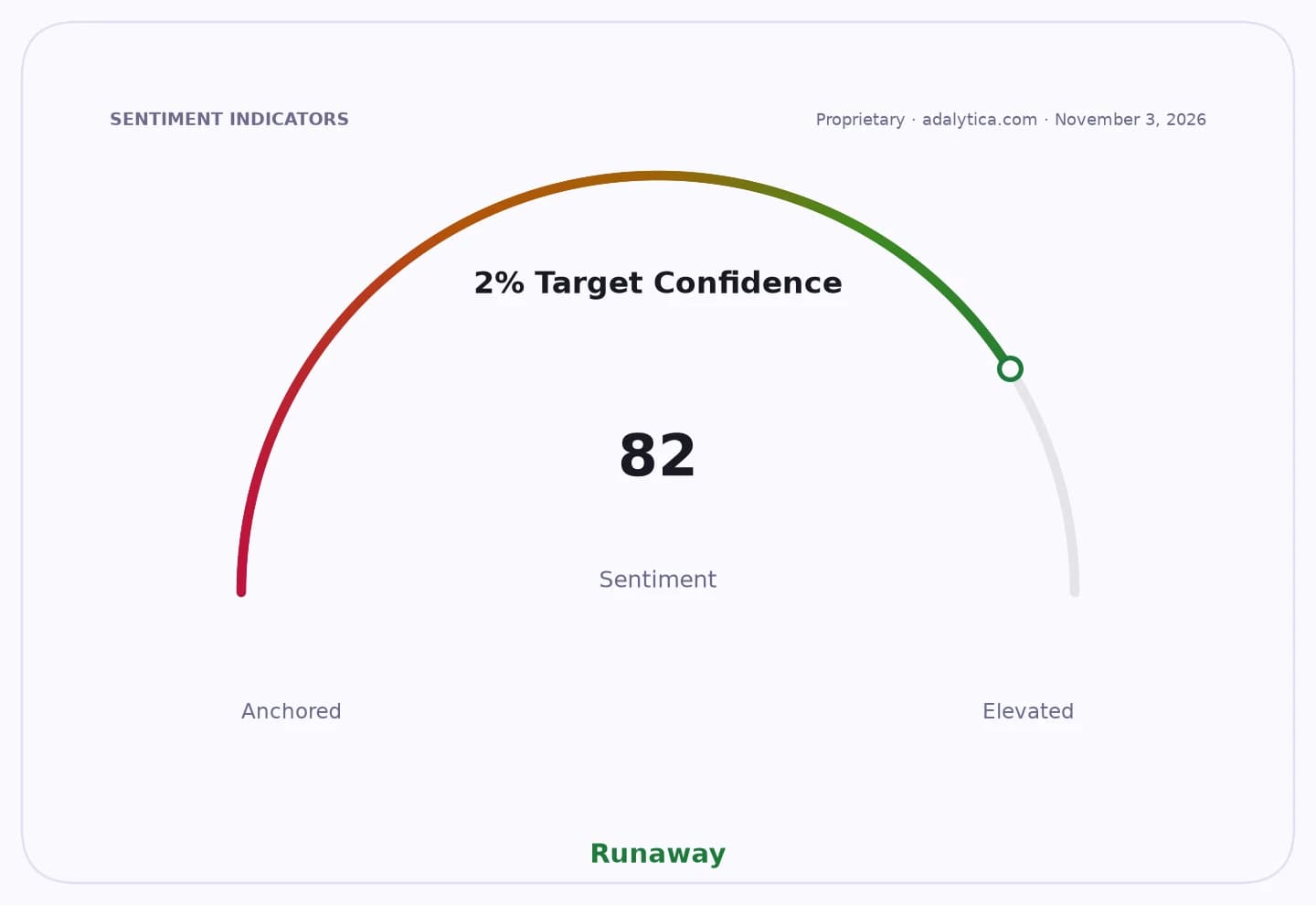
Sentiment Indicators
The latest trading shows the market is already leaning in that direction. The dollar was quoted around Rp18,155 on Nov. 4, after opening a touch stronger earlier in the session and trading in the Rp18,100s, close to recent highs. Against that backdrop, Lukman Leong, a currency watcher, said the rupiah could remain under pressure through the rest of the year and into early 2027 unless there is a meaningful change in the external environment or in Indonesia’s market classification outlook.
He pointed to three overlapping forces: the Federal Reserve’s policy stance, elevated US bond yields and still-high global oil prices on the external side, and uncertainty around MSCI’s review of Indonesia that has already encouraged foreign capital outflows. Higher oil prices are especially important for Indonesia because they tend to widen the import bill and add pressure to the current account, while a stronger dollar and higher US yields increase the appeal of dollar assets relative to emerging-market currencies.

A weaker rupiah also feeds directly into corporate earnings and portfolio allocations. Importers and companies with foreign-currency liabilities face higher costs, while businesses able to pass through currency weakness may fare better. At the same time, a falling currency can deter foreign inflows into local bonds and stocks if investors demand a bigger risk premium to compensate for exchange-rate losses.
Senior economist Tauhid Ahmad offered a less bearish central case, saying the rupiah is more likely to stay in the Rp18,000-Rp18,100 range through year-end. But he also argued that a sustained move back toward the Rp17,000s looks difficult without support from Bank Indonesia and improved global sentiment. He said the central bank is expected to lean on intervention and to encourage hedging through swap instruments and Domestic Non-Deliverable Forwards, a sign authorities want to limit disorderly moves rather than defend a specific level.
Technical indicators also point to a market that remains vulnerable even after bouts of volatility. The dollar-rupiah pair is trading above both its 50-day and 200-day moving averages, while RSI readings have recovered from oversold territory, suggesting the move higher still has momentum. The broader dollar backdrop is firm as well: the dollar index proxy UUP has held near its highs, while Japanese yen proxy FXY remains weak, reinforcing the view that global FX flows are still favoring the dollar.
Adalytica’s US Dollar Trade Signals snapshot shows sentiment at 17, labeled “Fear,” while awareness is at 97, or “Extreme Greed,” a combination that suggests the market is highly attentive to the dollar but increasingly cautious on positioning. In practical terms, that leaves the rupiah exposed if US inflation data or political developments push Treasury yields and the dollar higher again.
For investors, the key question is whether Indonesia can stem outflows before year-end. If MSCI-related concerns ease and oil prices retreat, the rupiah could stabilize near current levels. If not, the path toward Rp18,350 becomes plausible, keeping pressure on domestic asset valuations and forcing companies and policymakers to manage a more expensive currency environment.
| Entity | Gains | Losses |
|---|---|---|
| US dollar | ▲Higher global demand | ▼Emerging-market currencies |
| Indonesian exporters | ▲Better rupiah revenues | ▼Importers and fuel users |
| Bank Indonesia | ▲Stronger case for intervention | ▼Policy flexibility |
| Foreign bond and equity holders | ▲Hedging opportunity | ▼FX-adjusted returns |