Nigeria’s navy said it uncovered about 99,000 liters of suspected stolen crude oil and illegally refined automotive gas oil hidden in forest sites in Rivers and Delta states, a fresh sign that oil theft remains a material drag on Africa’s biggest producer and a persistent risk for investors exposed to West African supply.
Nigeria navy seizes stolen crude in Rivers, Delta
The find matters because oil theft in the Niger Delta does more than steal barrels: it erodes export revenues, weakens government finances, undermines official production data and adds operational risk for producers, pipelines and traders. Nigeria depends heavily on crude exports for foreign exchange and fiscal income, so every shutdown of a theft network helps protect supply, even if only temporarily.
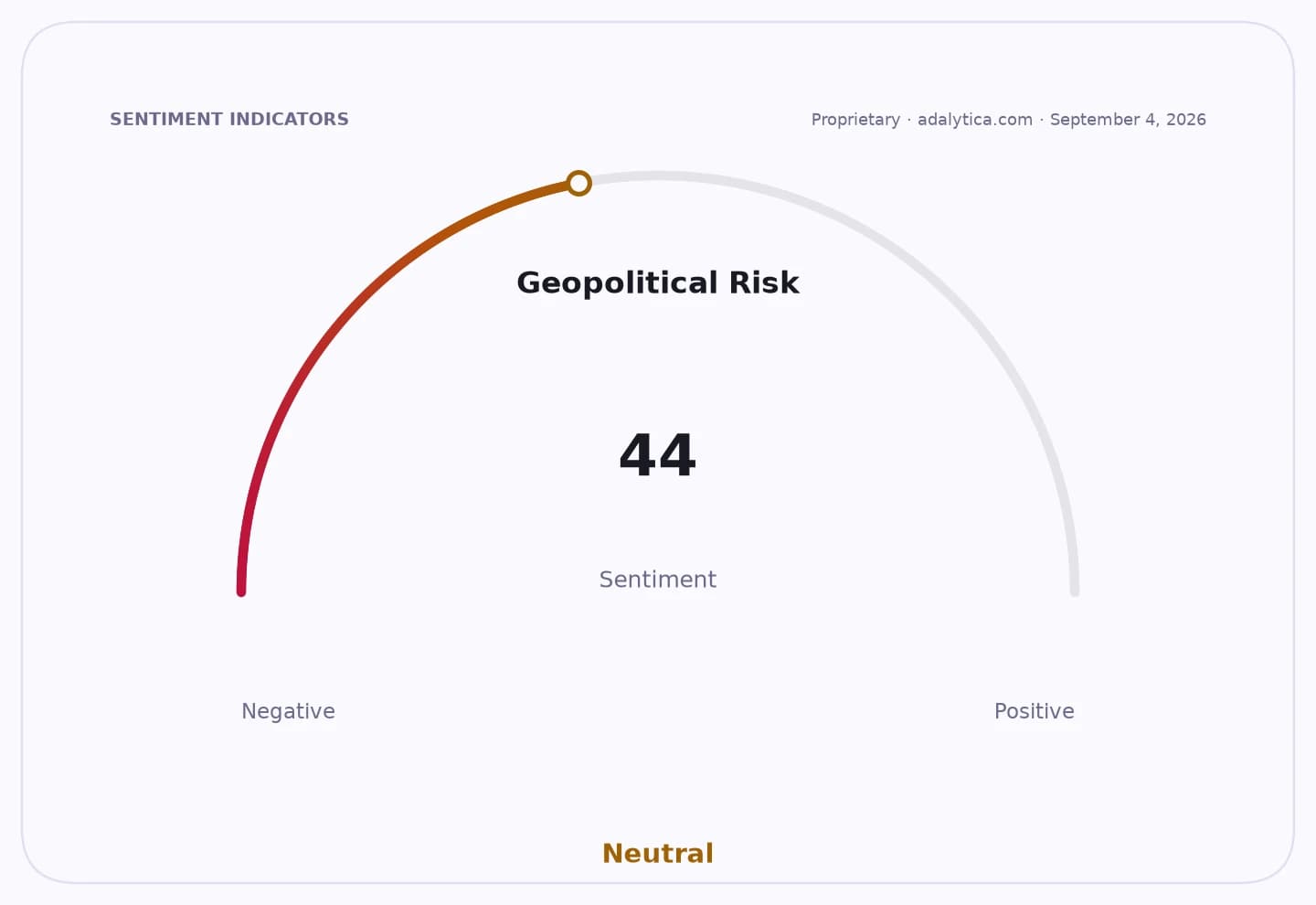
Sentiment IndicatorsⓘProprietary · adalytica.com · September 4, 2026
This is a snapshot — live sentiment, awareness and momentum for 130+ markets update continuously in the dashboard.Open AlphaPulse
The navy said vessels NNS SOROH and NNS DELTA carried out the raids on Aug. 31, 2026, acting on intelligence about illegal petroleum activity. Officers found three suspected illegal refining sites, six reservoirs and a furnace, along with storage pits dug into the ground and product believed to be stolen crude and illegally refined diesel.
The hidden storage is the important detail. Using a forested pond or excavated reservoir to conceal oil points to an organized network rather than opportunistic theft. It also shows how criminal groups adapt their logistics to evade surveillance, turning remote terrain into a shadow supply chain for crude and fuel. That makes enforcement a continuing cat-and-mouse game, not a one-off raid.
For the market, the immediate impact is limited. Ninety-nine thousand liters is small relative to global crude flows, but the broader issue is not the volume in one raid. Nigeria has long struggled to keep production, exports and pipeline throughput stable because of theft, vandalism and illegal refining. Persistent losses can constrain government revenue and keep a ceiling on how much crude reaches international buyers.
That is why investors watch these operations closely. Upstream producers, service companies and traders with Nigerian exposure care less about the headline seizure itself than about whether authorities can sustain pressure on theft networks and reduce disruption. If enforcement tightens, the upside is steadier output and better cash recovery for the state and operators. If it fails, the country remains vulnerable to lower effective supply, higher security costs and unpredictable shutdowns.
The navy said the sites and recovered products were handled under established procedures, part of a wider campaign to deny criminal groups the infrastructure needed to keep stealing and refining crude. The question for investors is whether this latest success marks a durable improvement in security or just another tactical win in a long-running fight that has repeatedly frustrated Nigeria’s oil sector.
| Entity | Gains | Losses |
|---|---|---|
| Nigerian Navy | ▲Enforcement credibility | ▼Criminal refining networks |
| Nigeria government | ▲Better oil revenue protection | ▼Lost crude income |
| Legitimate producers | ▲Fewer theft disruptions | ▼Illegal operators |
| Oil buyers/traders | ▲More stable supply outlook | ▼Supply uncertainty |