Nigeria is moving to finish a long-running power sector debt reduction plan with a N729 billion bond, and that matters because the country’s electricity market cannot attract serious capital until its arrears are brought under control.
Nigeria debt cleanup could improve power sector funding
For investors, this is not just another government financing exercise. It is an attempt to restore credibility to a sector that has spent years choking on unpaid bills, underfunded utilities and weak cash collection. If the bond succeeds in clearing the final phase of the debt cleanup, it could lower counterparty risk across the power value chain, improve payment discipline and make it easier for generators, gas suppliers and lenders to do business.
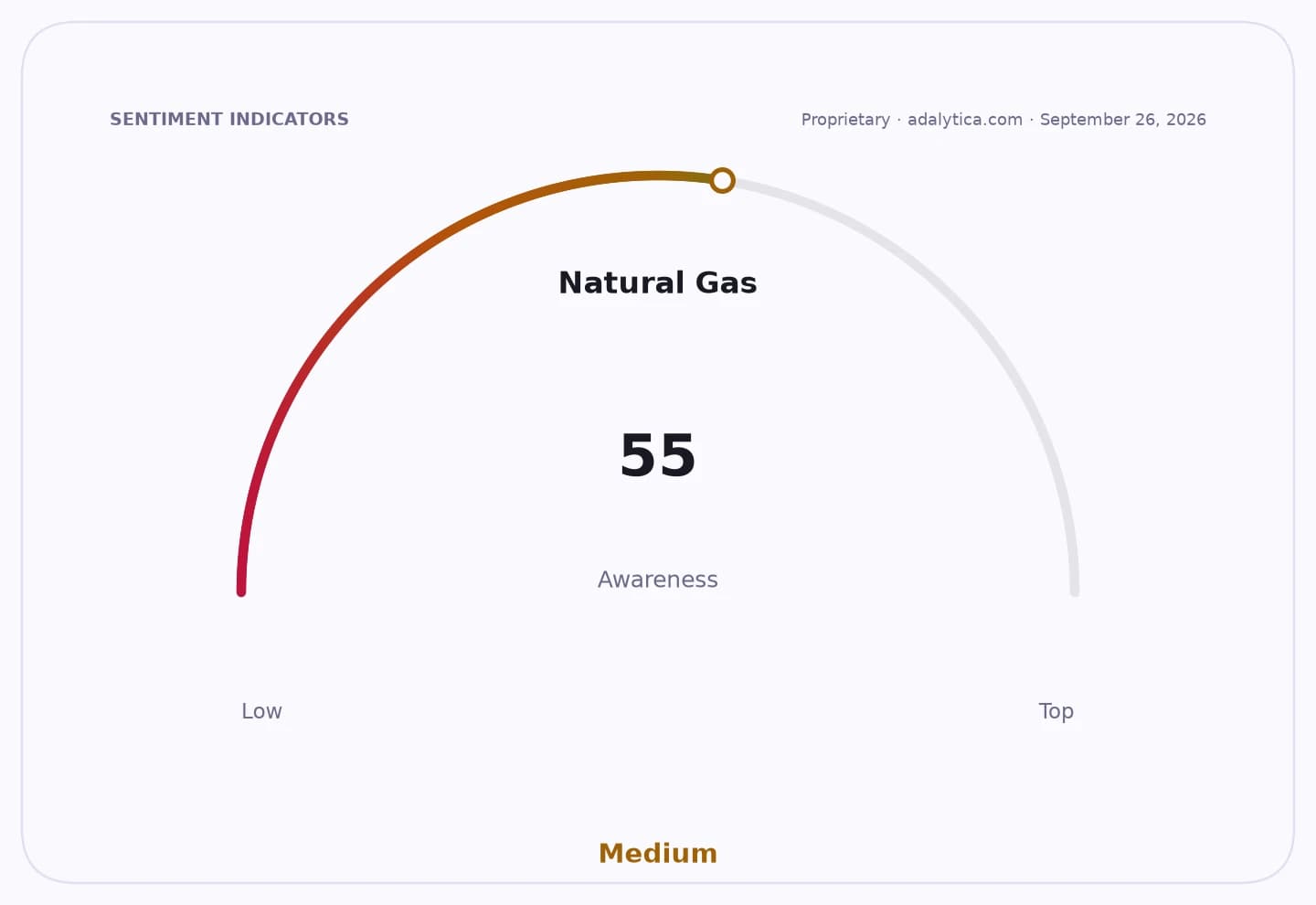
Sentiment IndicatorsⓘProprietary · adalytica.com · July 21, 2026
This is a snapshot — live sentiment, awareness and momentum for 130+ markets update continuously in the dashboard.Open AlphaPulse
The economic logic is straightforward: power shortages raise operating costs, suppress industrial output and keep inflation sticky. Nigeria’s economy needs a better-functioning electricity system to support manufacturing, services and long-term growth. A cleaner balance sheet in the sector would not solve every structural problem, but it can reduce one of the biggest bottlenecks holding back investment.
That is why the bond matters beyond Abuja’s financing needs. It signals that policymakers are still trying to stabilize the sector rather than let arrears snowball into a deeper fiscal and industrial problem. For companies exposed to the grid, stronger payment assurance could eventually translate into more predictable revenues and a better case for capital expenditure. For banks and bondholders, it may also reduce the risk premium attached to power-sector lending.
The market reaction should be read in that light. In a sector where cash flow has often been more promise than reality, any credible mechanism that converts arrears into funded obligations is a step toward normalizing financing. The recent price behavior in Nigeria-linked power names suggests investors are already watching for signs that the debt overhang is easing, even if the road to durable profitability remains long. Standard technical indicators, including the 50-day moving average and RSI readings, point to a market that has been active but still sensitive to headlines rather than fundamentals.
The broader backdrop is still challenging. Emerging-market power sectors often suffer from the same mix of low tariffs, collection losses and political interference, and Nigeria has been one of the clearest examples. That makes this bond less of a victory lap and more of a bridge: it can buy time, but only if reforms follow. Without better metering, tariff discipline and governance, another round of arrears could build just as quickly.
Still, investors should see the bond as constructive. Debt resolution is usually the first step before a sector can reset, attract capital and compound value over years instead of quarters. If Nigeria keeps pushing the cleanup through, the power industry could become a more investable story — not tomorrow, but eventually. Worth watching for long-term investors who can tolerate policy risk.
| Entity | Gains | Losses |
|---|---|---|
| FG of Nigeria | ▲Cleans up arrears | ▼Takes on more debt |
| Power generators and suppliers | ▲Better payment visibility | ▼Still face reform delays |
| Lenders and bond investors | ▲Backed repayment plan | ▼Exposed to policy execution risk |
| Electricity users and industry | ▲More stable supply outlook | ▼May face higher tariffs later |