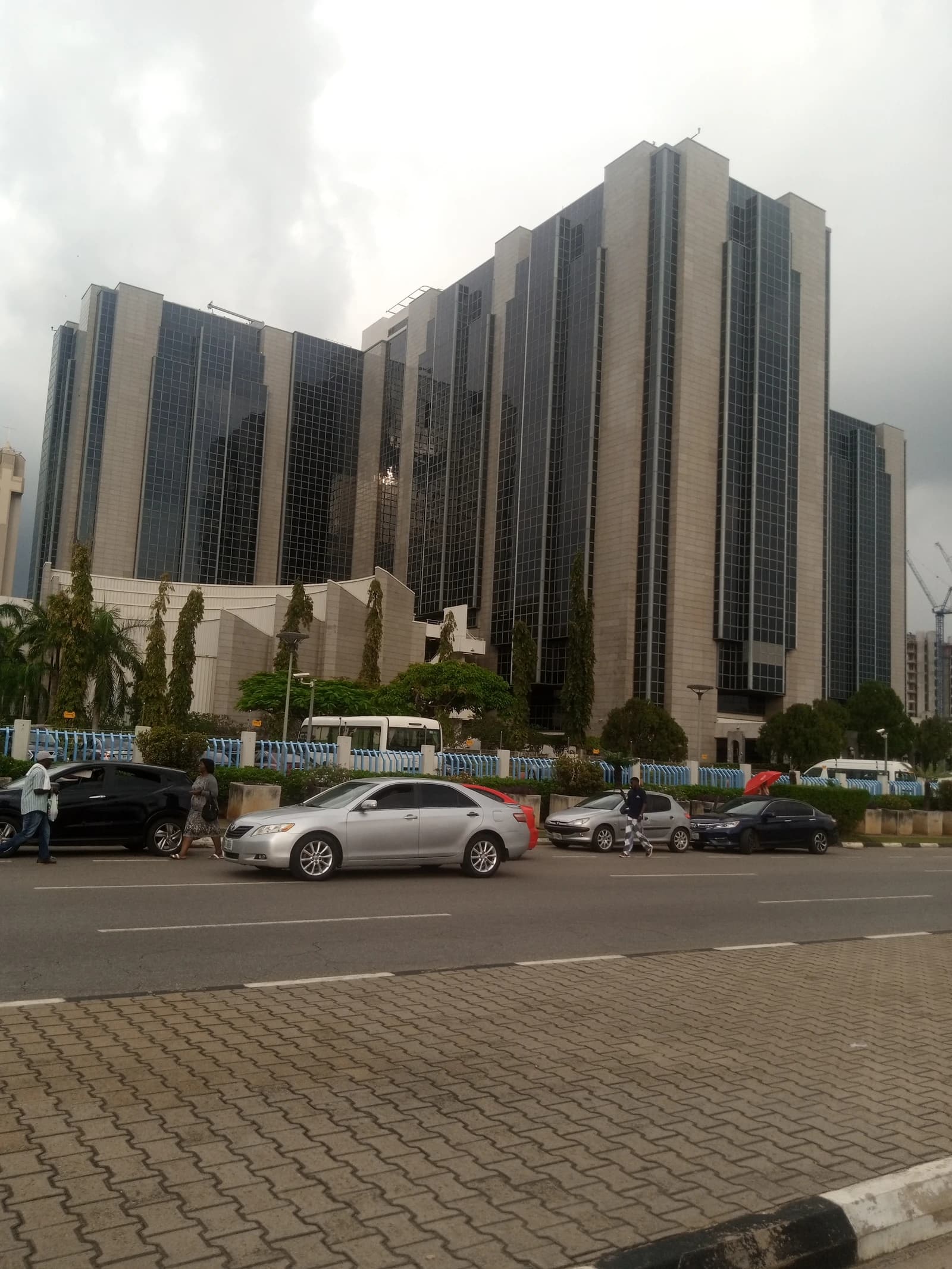
Nigeria is funding a growing electricity subsidy bill with bond sales after the Federal Government’s arrears to power generation companies swelled to about N6 trillion, a stopgap that could ease pressure on gas suppliers and generators but also underscores how far the sector remains from commercial self-sufficiency.
Nigeria Funds Power Subsidy Debt With N728.9bn Bond
The move matters because the debt overhang is now large enough to distort investment, fuel supply and generation decisions across the power chain. NERC said the Federal Government’s gross tariff subsidy obligation reached N1.928 trillion in 2025, or 57.44% of the total NBET invoice, an average of N160.69 billion a month, even after a slight decline from 2024. That burden, combined with legacy arrears, has left generation companies and their gas suppliers short of cash and forced the government back to the domestic debt market.
Sentiment IndicatorsⓘProprietary · adalytica.com · October 23, 2026
This is a snapshot — live sentiment, awareness and momentum for 130+ markets update continuously in the dashboard.Open AlphaPulse
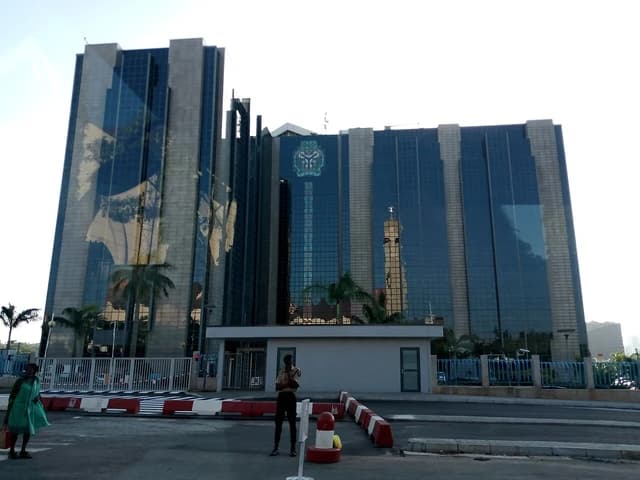
NBET said it has begun settlement of participating GenCos and associated gas companies after the successful issuance and signing of a N728.979 billion Series 2 bond under the N4 trillion Power Sector Debt Reduction Programme. The package includes N402 billion in cash bonds raised from the domestic capital market and N326.979 billion in non-cash bonds. For investors, that signals the state is choosing refinancing over a full fiscal fix, shifting the burden from the power sector balance sheet to sovereign debt markets.
The programme offers a near-term liquidity bridge for utilities and fuel suppliers, who have long argued that unpaid invoices have constrained generation and maintenance. But it also highlights the structural weakness in Nigeria’s electricity model: a market that still depends on government support to keep the lights on. Special Adviser to the President on Power, Lanre Babalola, said reforms remain unfinished and the sector has not yet completed the transition to a competitive market, while regulators continue to grapple with weak collections, estimated billing and underinvestment.
The government says supply is improving, pointing to generation and transmission above 5,000MW in recent weeks, up from 3,700MW to 4,700MW before June, and upgrades that unlocked additional grid capacity in Lagos and Abuja. Yet those gains are modest against the scale of the debt and the subsidy bill. The larger question for investors is whether the bond programme marks the start of a credible clean-up, or just another roll-over of obligations that keeps the sector liquid without making it bankable.
For bondholders, the immediate appeal is the sovereign backstop. For power investors, the risk remains that Nigeria is financing the symptoms of a broken market rather than fixing the tariffs, governance and payment discipline needed to restore commercial viability.
| Entity | Gains | Losses |
|---|---|---|
| GenCos and gas suppliers | ▲partial debt recovery | ▼prolonged cash-flow stress |
| Federal Government | ▲avoids immediate cash outlay | ▼higher sovereign debt burden |
| Bond investors | ▲sovereign-backed paper | ▼exposure to fiscal strain |
| Electricity consumers | ▲possible supply stability | ▼continued subsidy costs |