A Colombian beauty and personal-care brand that began by selling nipple covers on Instagram is now in more than 20 countries and is taking its next big step with Walmart in the United States.
Nipskin expands with Walmart U.S. stores
That matters because retail distribution, not social-media virality, is what turns a promising niche product into a durable consumer business. For Nipskin, the move from direct-to-consumer sales to one of the world’s biggest retailers could accelerate volume, broaden brand recognition and make the company more investable over the long run.
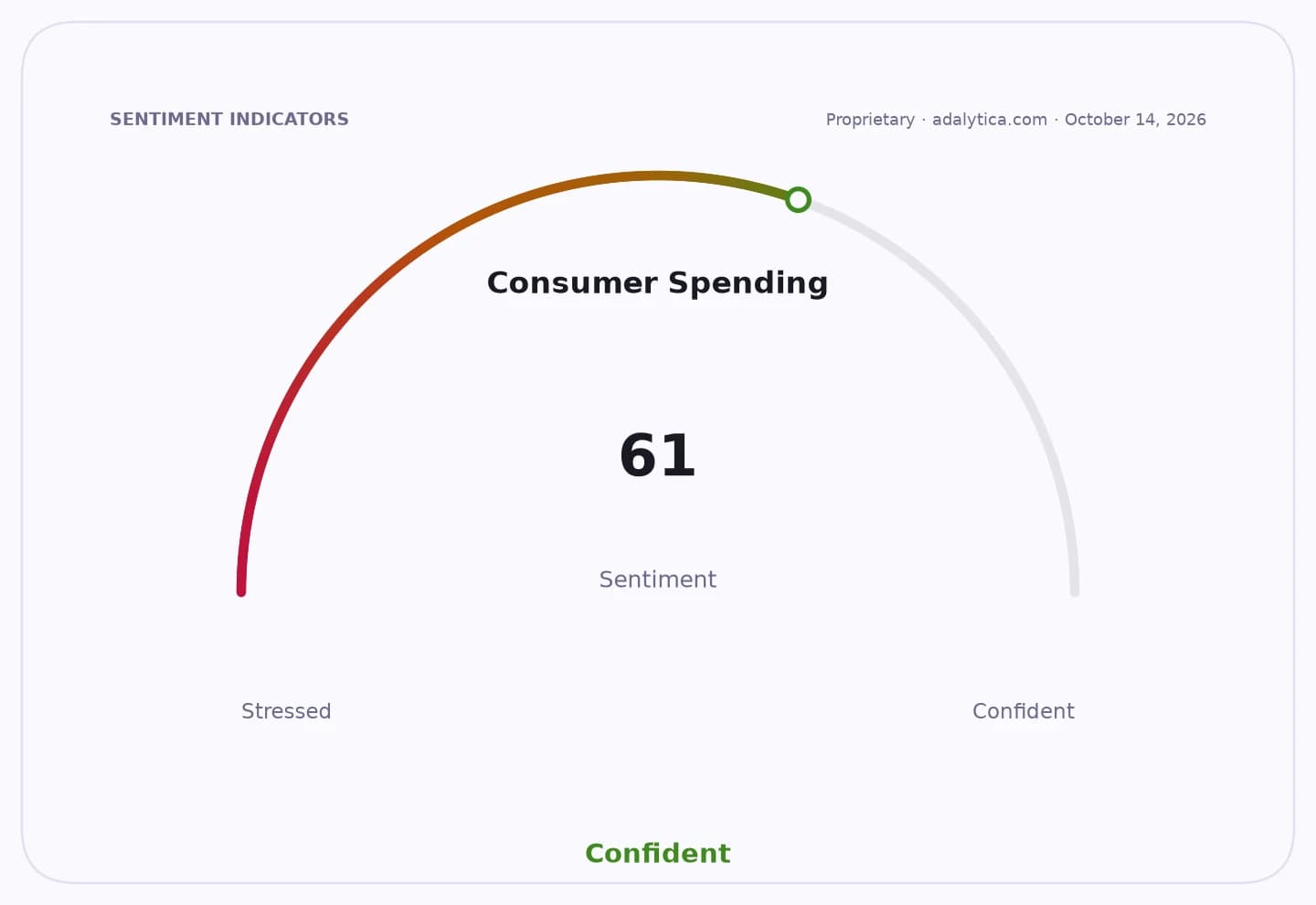
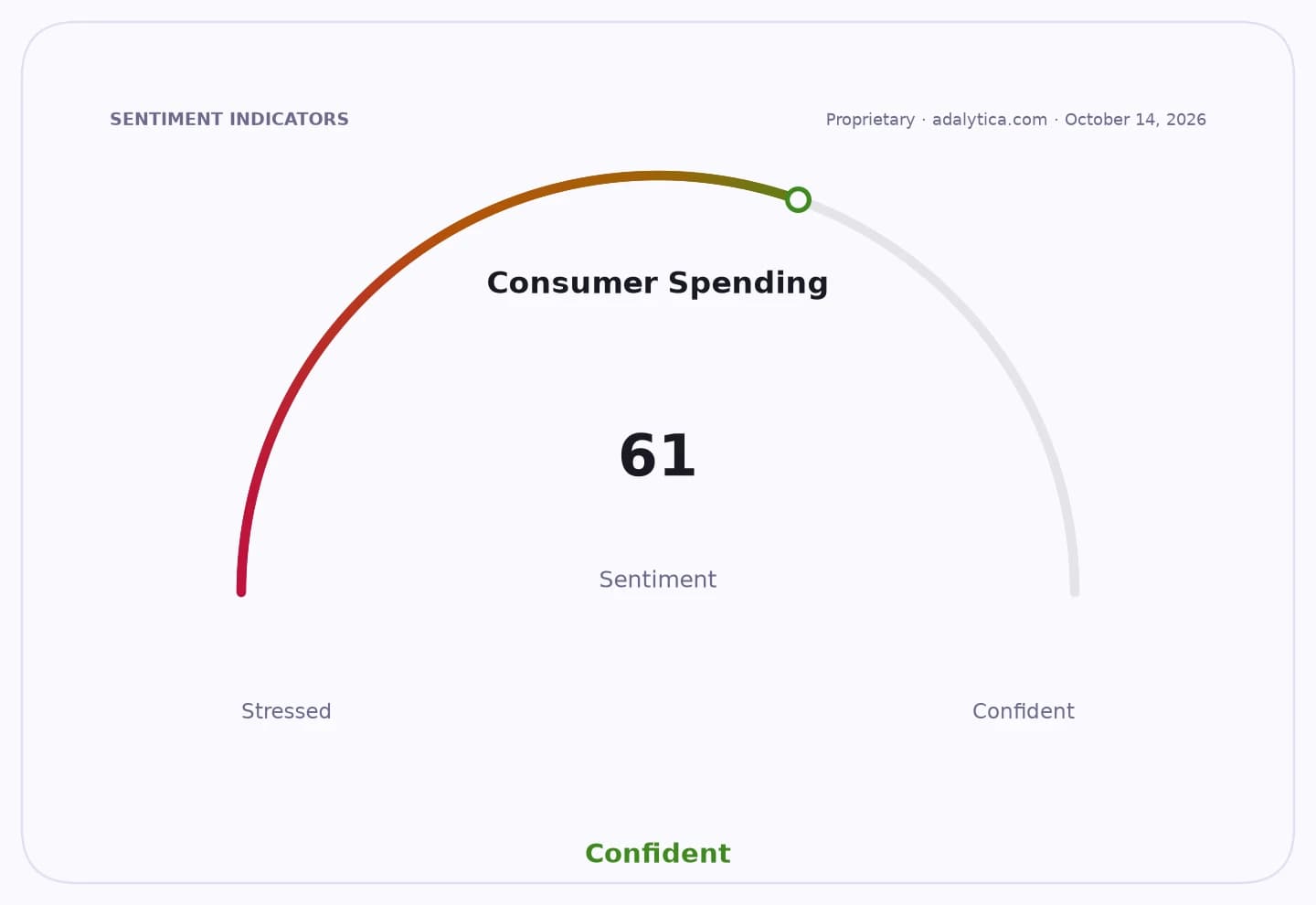
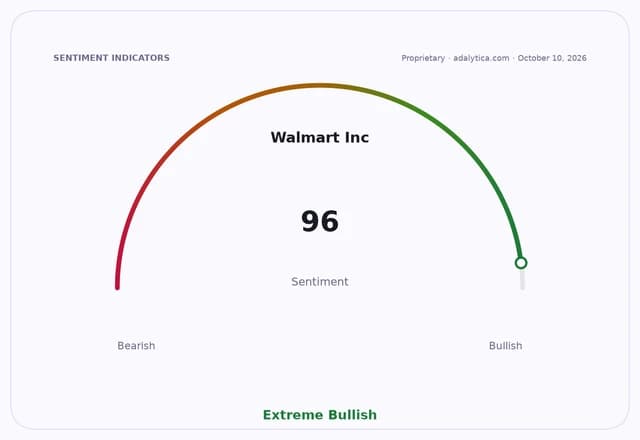
Sentiment IndicatorsⓘProprietary · adalytica.com · October 10, 2026
This is a snapshot — live sentiment, awareness and momentum for 130+ markets update continuously in the dashboard.Open AlphaPulse
Founded by Juliana Ambrad after she looked for a bra alternative that would not irritate her skin, Nipskin started with just three products. It now has nearly 100 items spanning nipple covers, pimple patches, adhesive tapes, makeup products and sports-related solutions designed to prevent irritation during activity.
The company’s growth story is really a lesson in how modern consumer brands are built: identify a personal problem, validate demand online, then use that proof to win larger retail doors. That path has become especially powerful for small brands in beauty and wellness, where social media can create awareness quickly but scale usually depends on distribution.
Nipskin says it expects to finish 2026 with more than 1 million units sold and wants to double that in 2027. Those are still small numbers by global consumer standards, but they show a brand moving from experimentation toward repeatable scale. For investors, that is the point where unit economics, supply-chain discipline and retail execution start to matter more than the founding story alone.
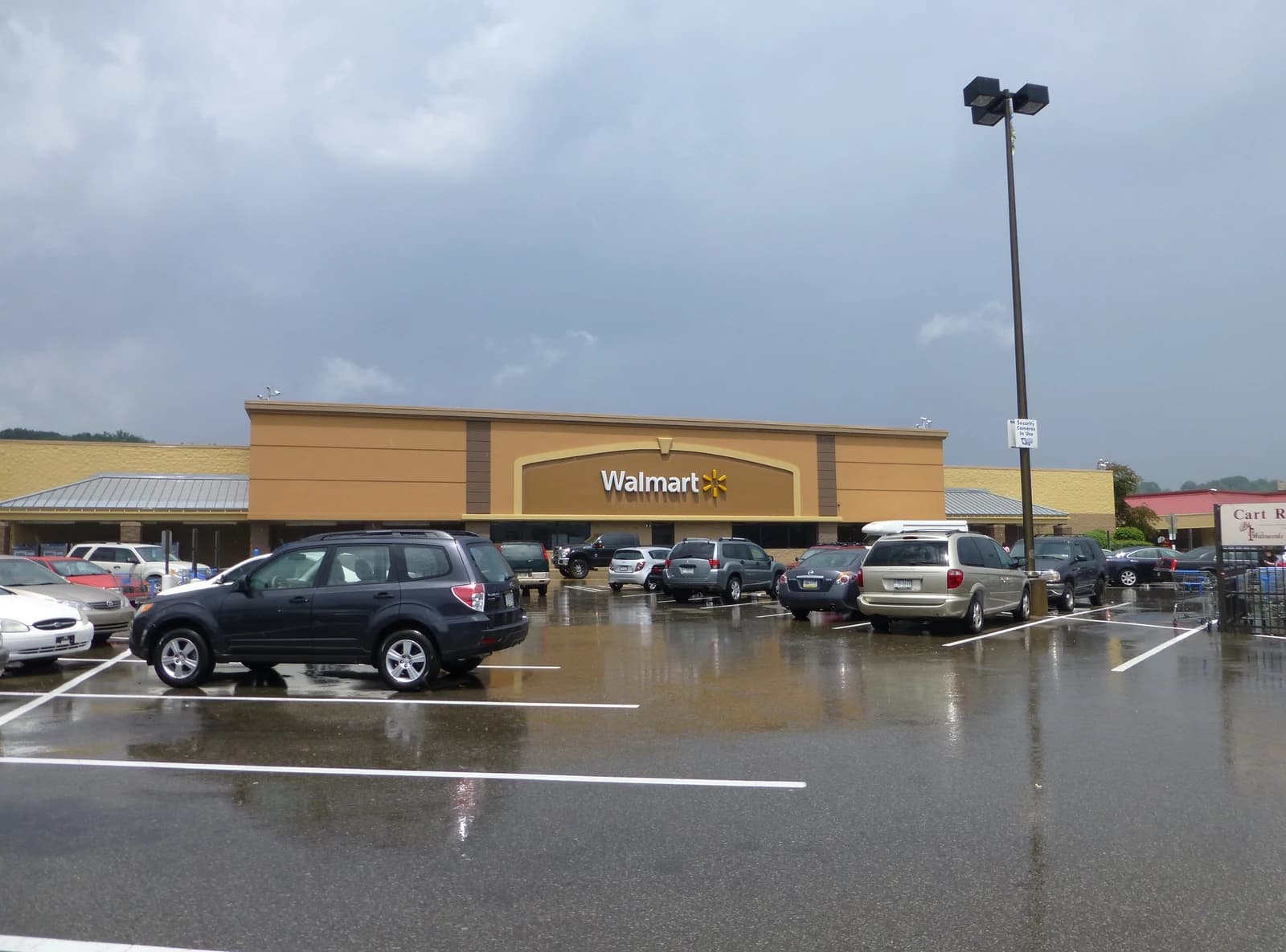
Walmart is the most important piece of the expansion. The brand already sells online through Walmart in the U.S. and plans to enter physical stores next year, a move that could dramatically lift reach and credibility. Shelf space at Walmart can be a powerful growth engine for emerging consumer brands because it brings access to mainstream shoppers who may never have discovered the product on Instagram.
The company is also preparing to expand into Uruguay, Guatemala and Bolivia while deepening its presence in Latin America and the U.S. Production is spread across Colombia, South Korea and China, depending on the technology required, which suggests a flexible sourcing model but also one that will need careful management as volumes rise.
For long-term investors, the broader narrative is attractive: a Latin American consumer brand is building itself around a real product need, broadening its catalog and using omnichannel distribution to move from founder-led marketing to something closer to a scalable franchise. The risks are the usual ones for fast-growing consumer companies — competition, supply-chain complexity and the challenge of keeping quality consistent as the business expands.
Still, this is the kind of business development that can compound for years if execution stays strong. If Nipskin can prove it can sell through Walmart stores, not just online, it would mark the transition from a scrappy startup to a brand with staying power. That makes it worth watching closely.
| Entity | Gains | Losses |
|---|---|---|
| Nipskin | ▲Wider reach, faster sales growth | ▼Higher execution risk |
| Walmart | ▲Fresh niche brand traffic | ▼More assortment complexity |
| Colombian consumer brands | ▲Global credibility | ▼Pressure to scale fast |
| Instagram-first sellers | ▲Easier launch path | ▼Harder to sustain growth |