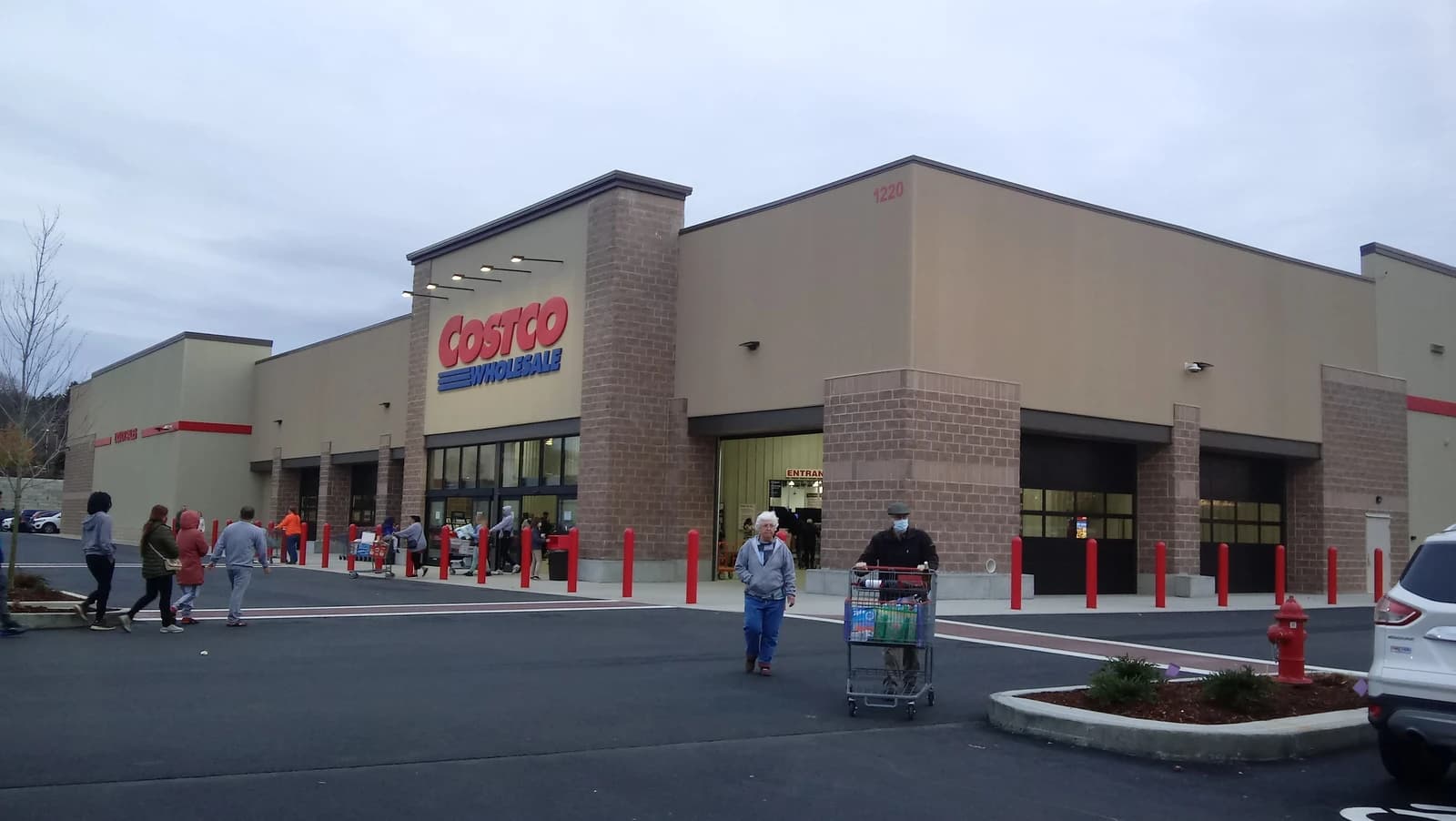
A new grocery chain moving into Metro Detroit is stepping into one of the toughest battles in American retail: a market where shoppers are hunting for lower prices, incumbents are cutting costs, and the entire sector is fighting to protect margins.
Metro Detroit grocery chain faces price war
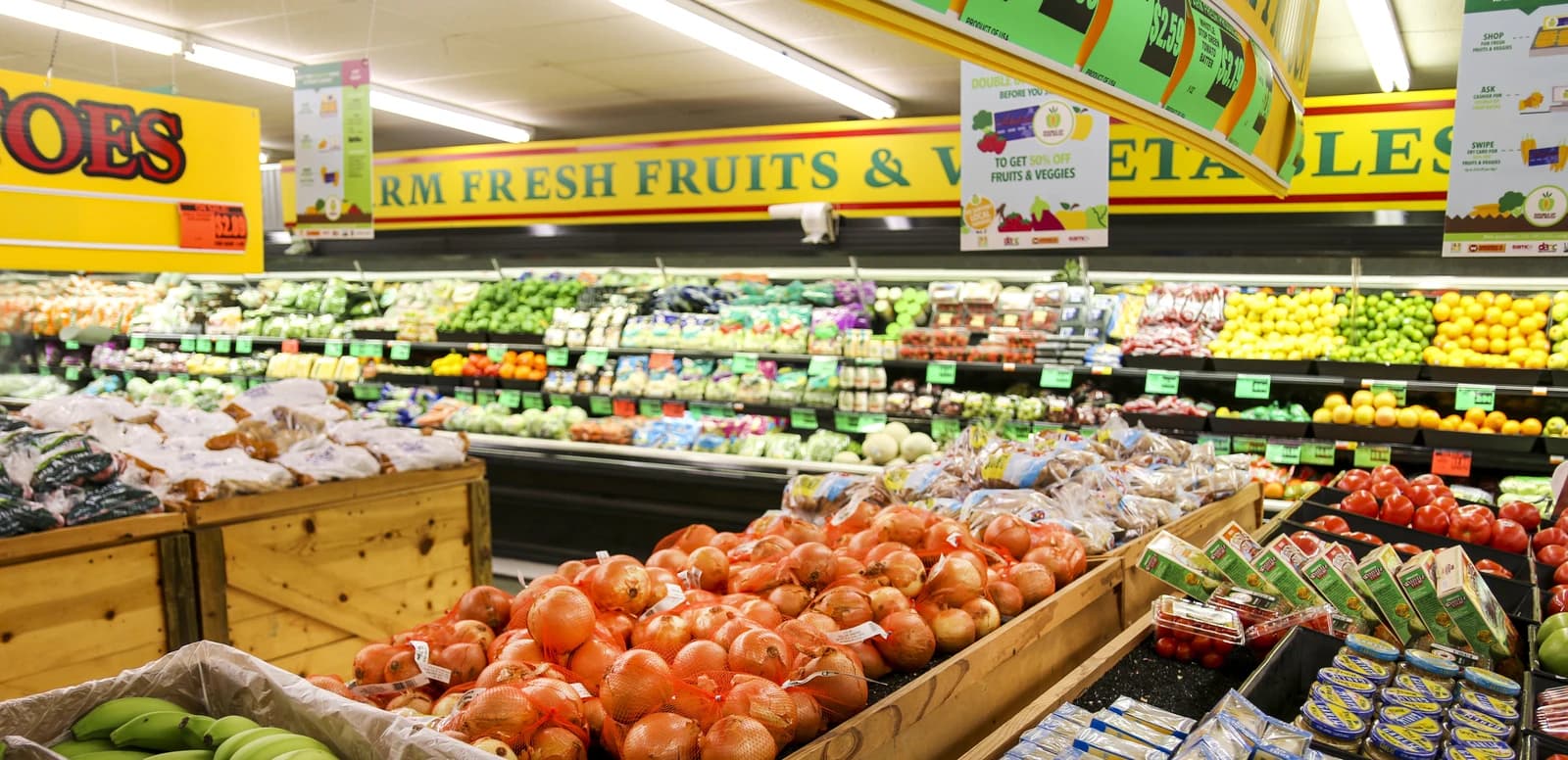
That matters because groceries are not a discretionary buy. When households get squeezed, they still have to eat, which makes food retail one of the most defensive parts of consumer spending. But it also means every rival competes on the same thin sliver of loyalty: price, convenience, and trust. In Metro Detroit, a newcomer won’t just be opening stores — it will be challenging established chains that are already under pressure to sharpen their value proposition.
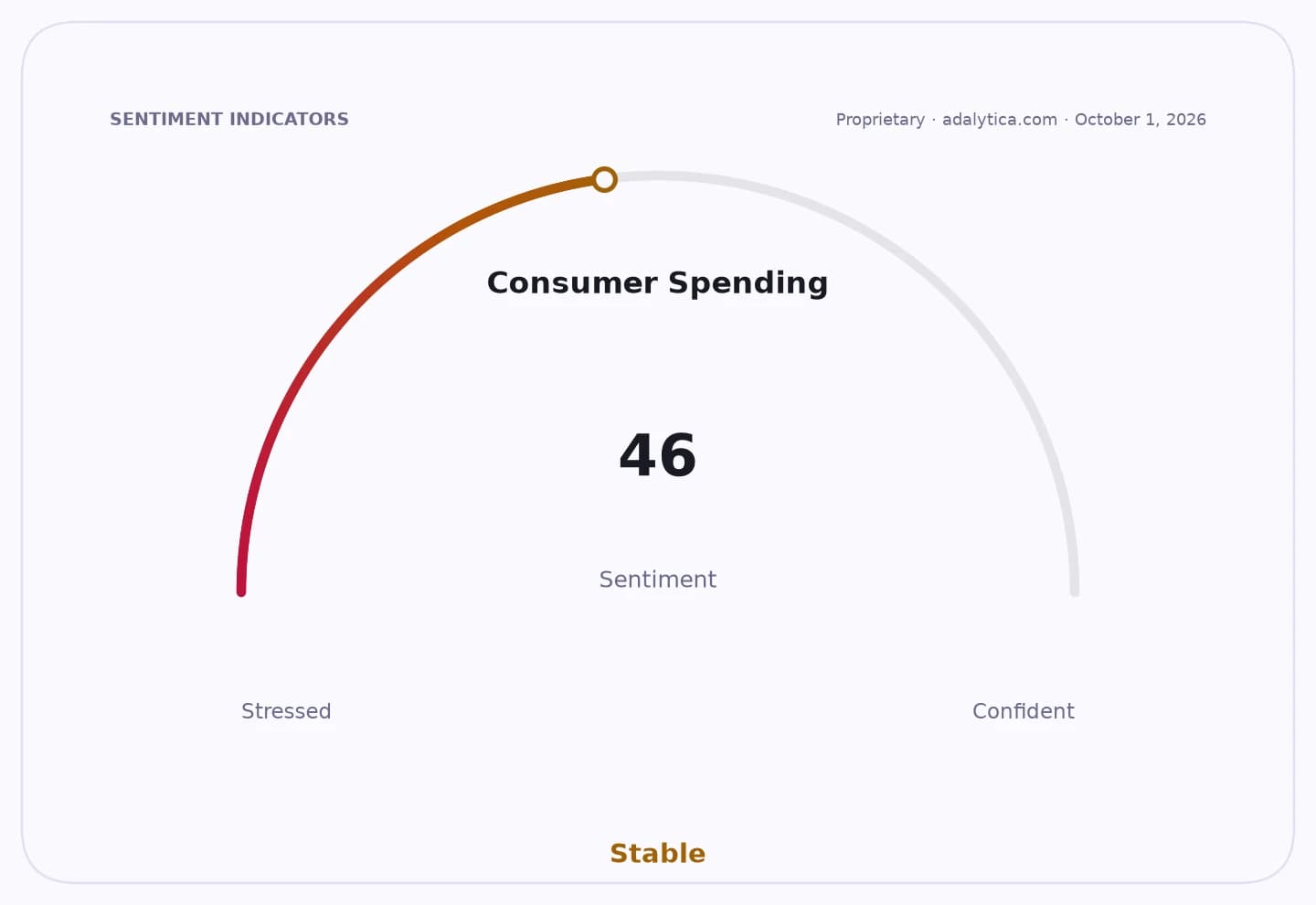
Sentiment IndicatorsⓘProprietary · adalytica.com · October 14, 2026
This is a snapshot — live sentiment, awareness and momentum for 130+ markets update continuously in the dashboard.Open AlphaPulse
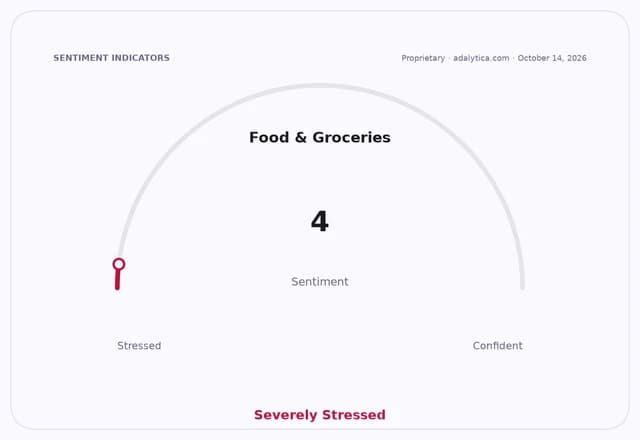
Kroger’s decision to eliminate 3,000 corporate jobs and restructure around lower costs underscores how intense the pricing fight has become. The company is trying to free up resources to compete more aggressively on shelf prices, a sign that grocers can no longer rely on scale alone to preserve market share. For consumers, that is good news: more competition often means better deals and more promotions. For investors, it is a reminder that grocery is a volume business, where even modest changes in pricing or traffic can have an outsized effect on earnings.
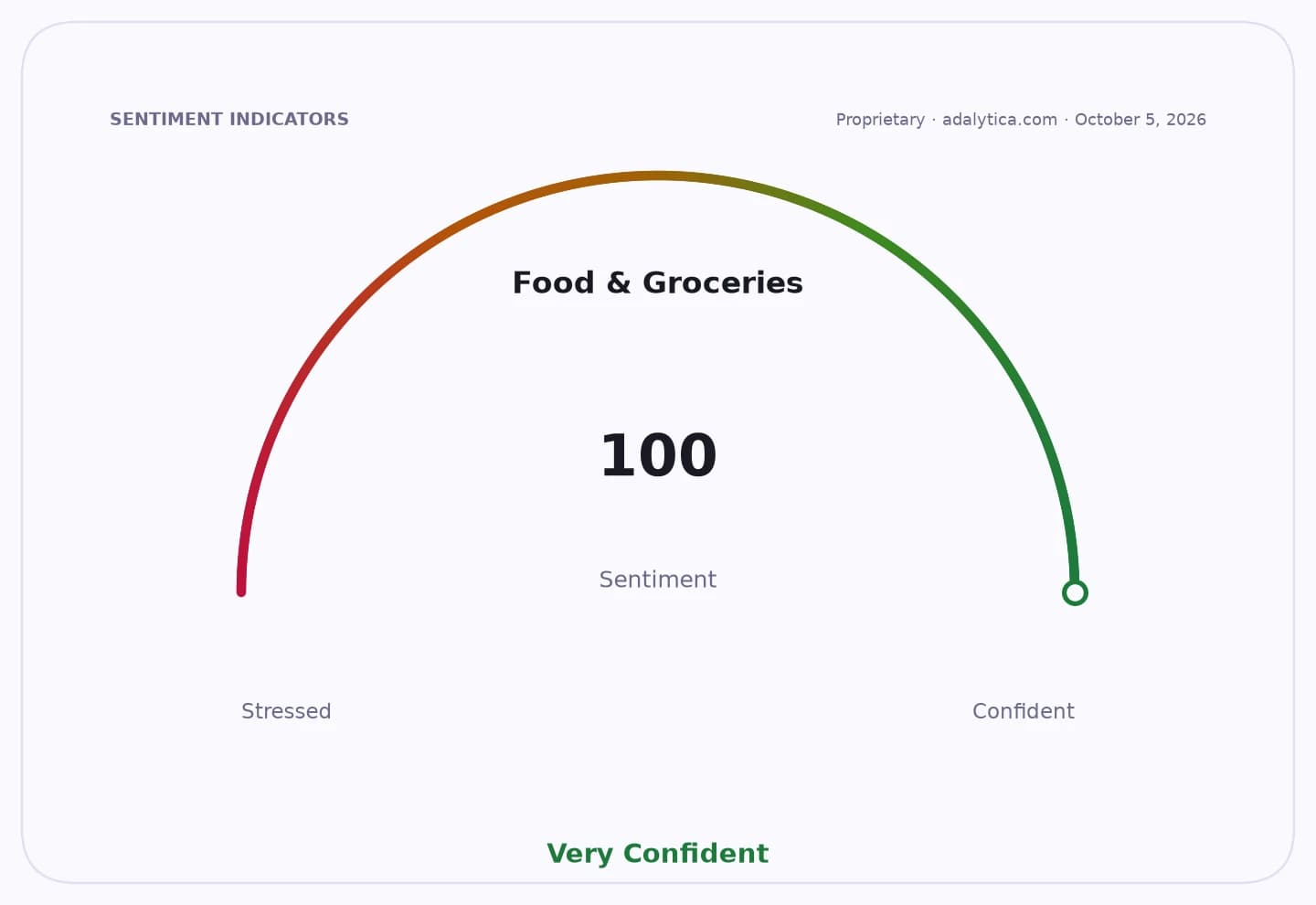
The stakes extend beyond one chain’s store opening. Adalytica’s Food and Grocery Spending sentiment is sitting in “Extreme Fear,” suggesting households are still highly sensitive to food inflation and likely to trade down whenever they can. That creates an opening for discount-oriented operators and value merchants, but it can also compress profitability across the industry if everyone keeps matching prices to defend traffic.
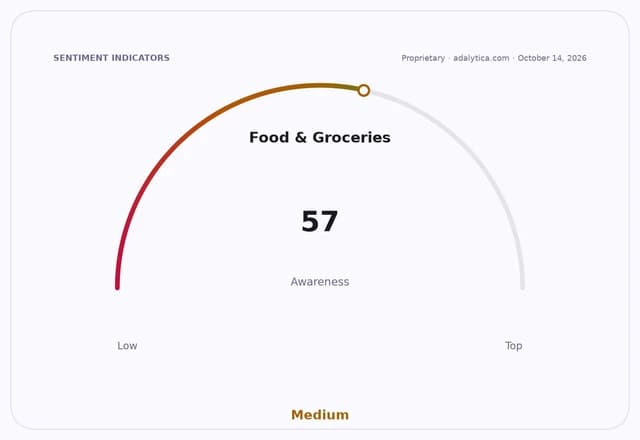
The market backdrop is telling as well. Grocery Outlet, which has been expanding with a clustered store model in new markets, has seen its shares swing sharply over the past year as investors reassess how much growth is worth in a low-margin category. McDonald’s, meanwhile, has held up far better, reflecting the advantage of scale, brand power and pricing flexibility in a cautious consumer environment. The contrast is useful for investors: companies that can absorb cost pressure and still grow traffic tend to win over time.
For Metro Detroit shoppers, the immediate result should be more choice and potentially lower prices. For investors, the longer-term question is which grocers can build durable local density without sacrificing margins. In a sector where every basis point matters, the winners will be the chains that combine disciplined expansion with enough scale to keep prices competitive. This new entrant is worth watching, but so is the response from Kroger, Walmart and regional peers.
| Entity | Gains | Losses |
|---|---|---|
| Metro Detroit shoppers | ▲More competition, lower prices | ▼Less if service slips |
| New grocery chain | ▲Fresh market entry, growth upside | ▼Tight margins, strong rivals |
| Kroger and peers | ▲Push to improve efficiency | ▼Margin pressure from price war |
| Value-focused retailers | ▲More traffic from bargain hunters | ▼Higher operating strain |