A local initiative in Niterói is turning homelessness into a labor-market issue with a measurable economic payoff: more than 700 people have already been placed back to work through the city’s Recomeço program. That matters because the fastest path from social assistance to self-sufficiency is not a benefit check, but a paycheck — and businesses facing labor shortages are increasingly willing to help provide it.
Niterói Recomeço Program Places 700 Back to Work
The Conexão Niterói meeting, hosted by Niterói Rotativo, brought together city officials, business leaders and industry groups to widen that pipeline. In practice, it links a vulnerable, underutilized workforce to employers that need staff, while reducing the fiscal and social burden that comes with long-term exclusion from the formal economy.
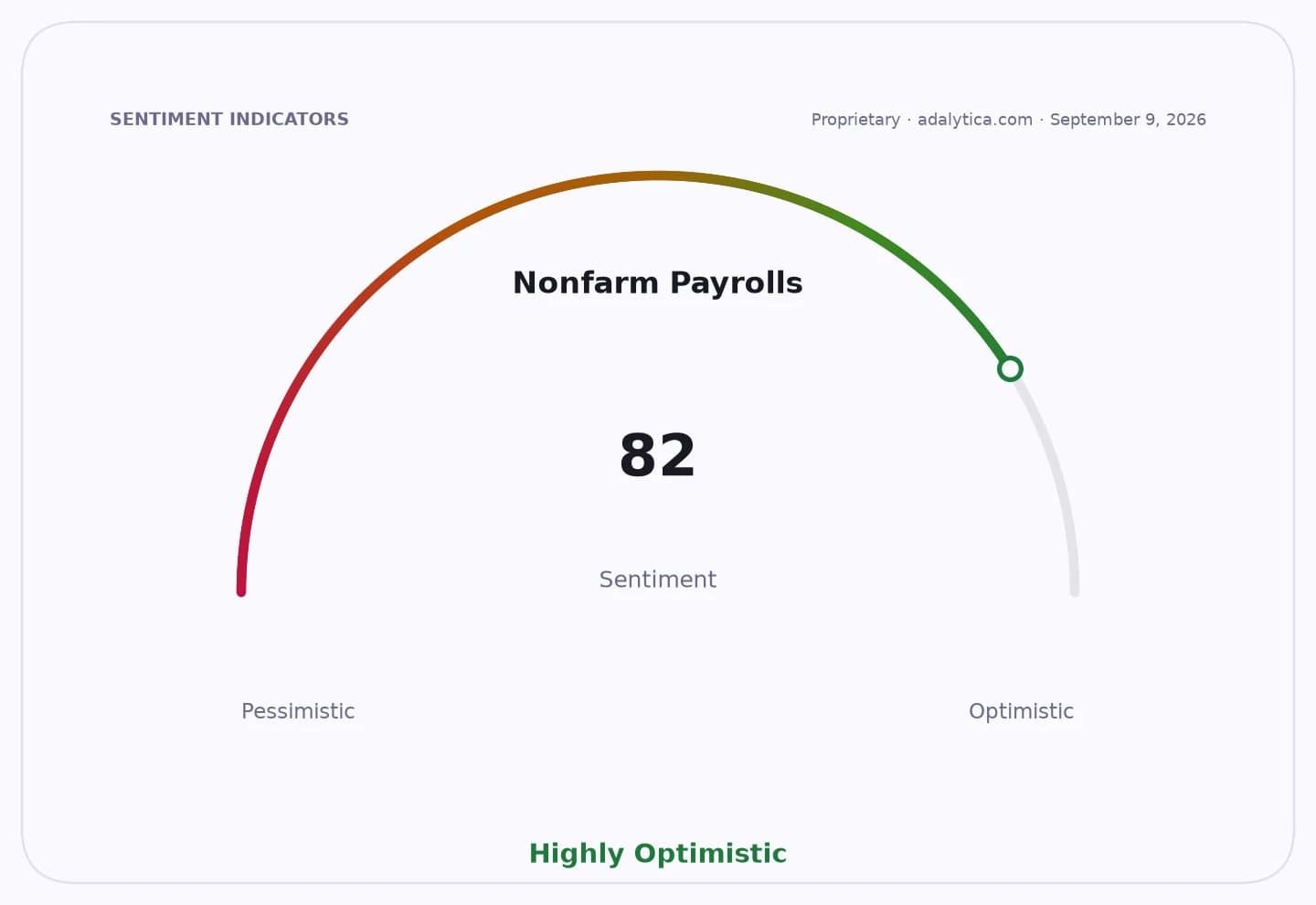
Sentiment IndicatorsⓘProprietary · adalytica.com · September 9, 2026
This is a snapshot — live sentiment, awareness and momentum for 130+ markets update continuously in the dashboard.Open AlphaPulse
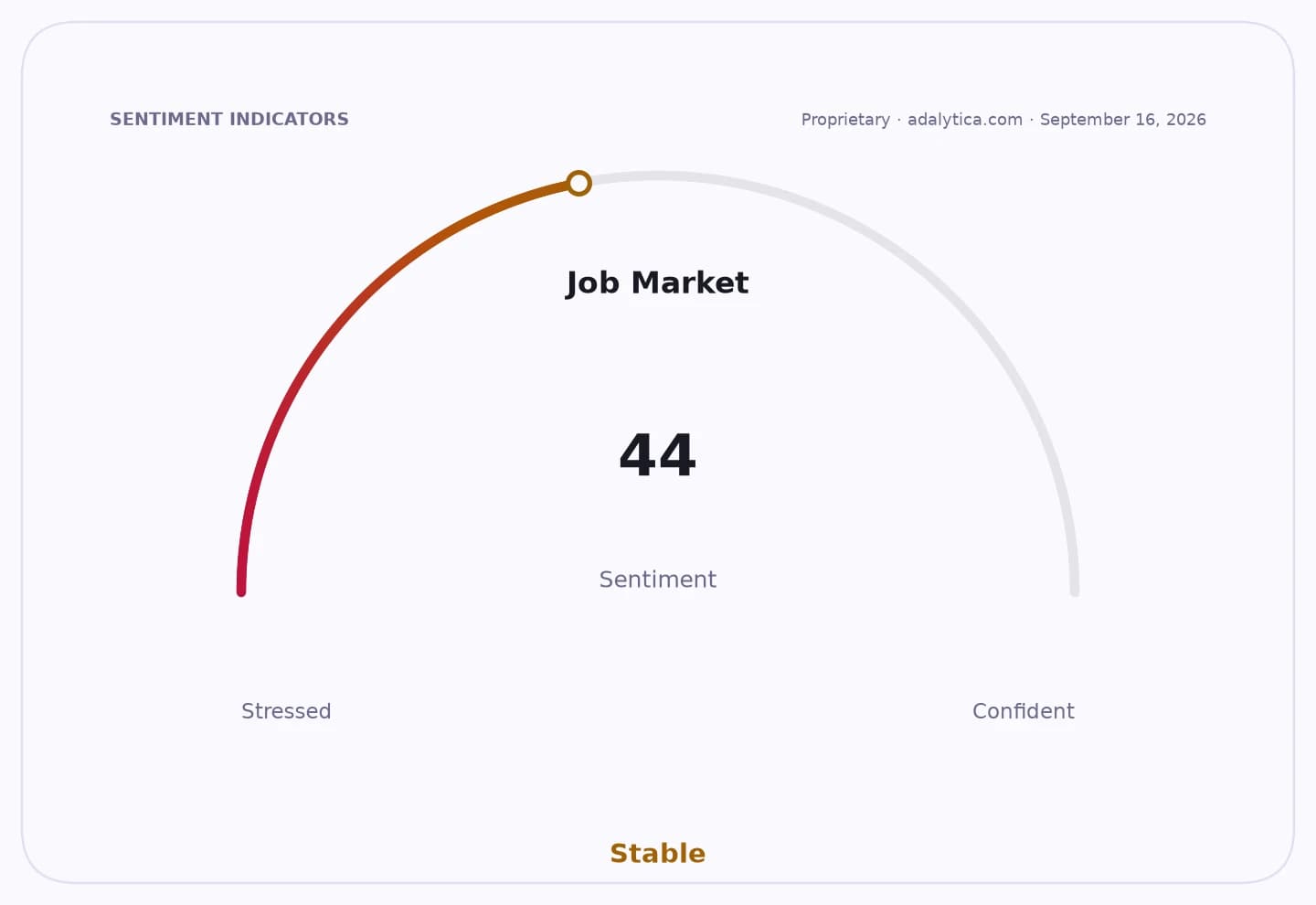
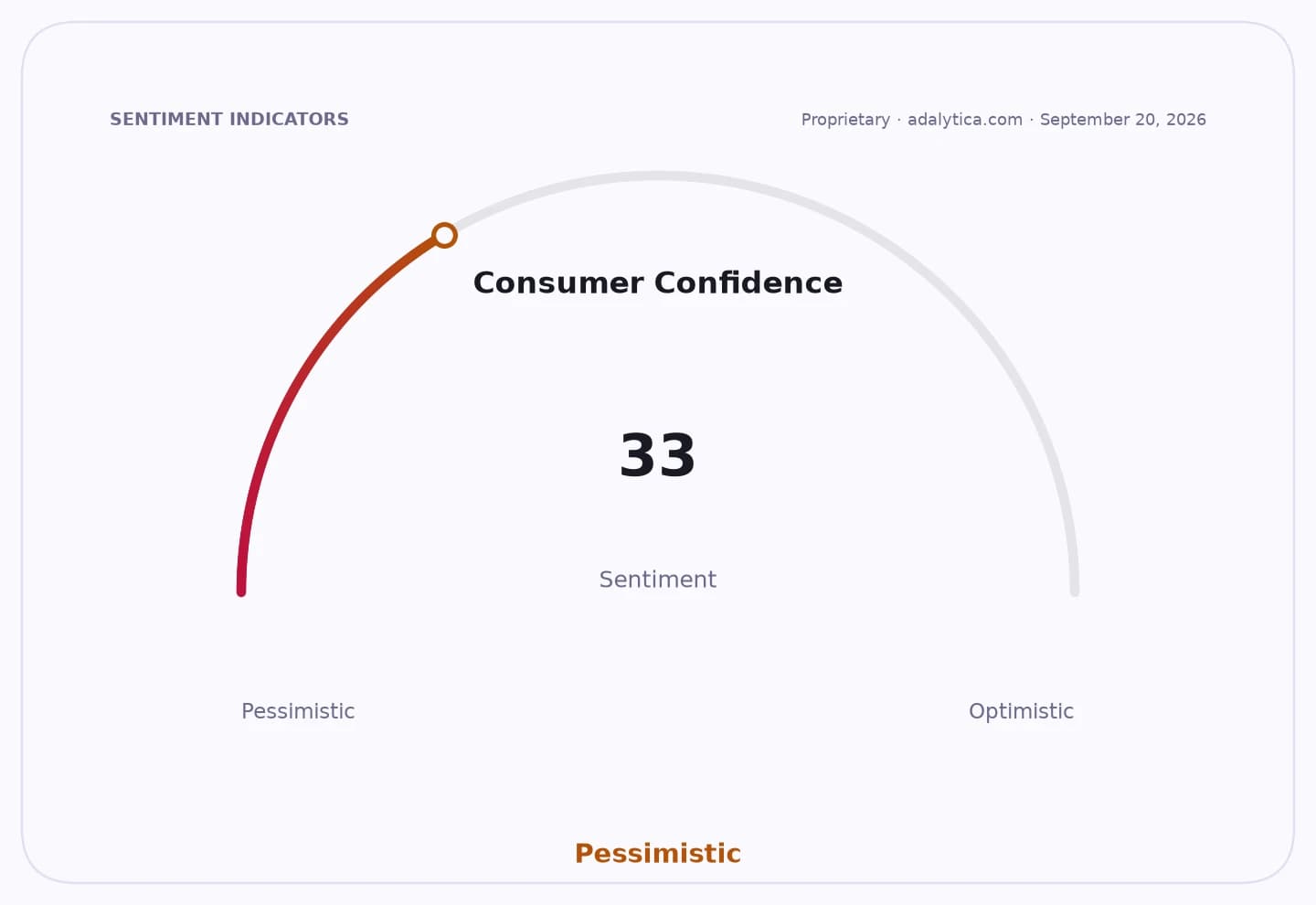
For investors, the story is bigger than a civic initiative. Labor remains one of the tightest constraints on service businesses, retail operators and logistics providers, even as broader consumer confidence remains weak. Adalytica’s Job Market Sentiment snapshot is still in “Greed” territory at 81, suggesting hiring demand is holding up. At the same time, consumer confidence sentiment is stuck in “Extreme Fear,” a reminder that households may remain cautious even as employers keep paying up for workers. That mix favors companies that can secure reliable labor supply and municipalities that can lower friction in the hiring process.
The relevance extends to publicly listed chains and employers with large frontline workforces such as McDonald’s and Amazon, both of which have acknowledged staffing pressure in regulatory filings. Any policy model that expands the available labor pool — especially through structured reintegration, training and employer partnerships — can ease wage pressure at the margin, improve service levels and support operating efficiency.
The broader investment thesis is that workforce reintegration is becoming a practical economic tool, not just a social program. If Niterói’s model keeps scaling, it offers a template for other Brazilian cities and for companies that depend on stable hourly labor. The winners are employers that embrace these partnerships early; the losers are businesses that keep treating labor shortages as a permanent cost of doing business.
| Entity | Gains | Losses |
|---|---|---|
| Niterói employers | ▲Larger labor pool | ▼Hiring friction |
| Recomeço participants | ▲Formal work access | ▼Long-term exclusion |
| City government | ▲Lower social strain | ▼Higher welfare burden |
| Labor-challenged retailers/restaurants | ▲Better staffing | ▼Wage pressure |