The New Zealand Green Party is proposing a state-backed supermarket chain that would take direct aim at the country’s grocery duopoly, arguing the plan could lower food prices in one of the economy’s most politically sensitive sectors.
New Zealand Greens propose KiwiMart supermarket chain
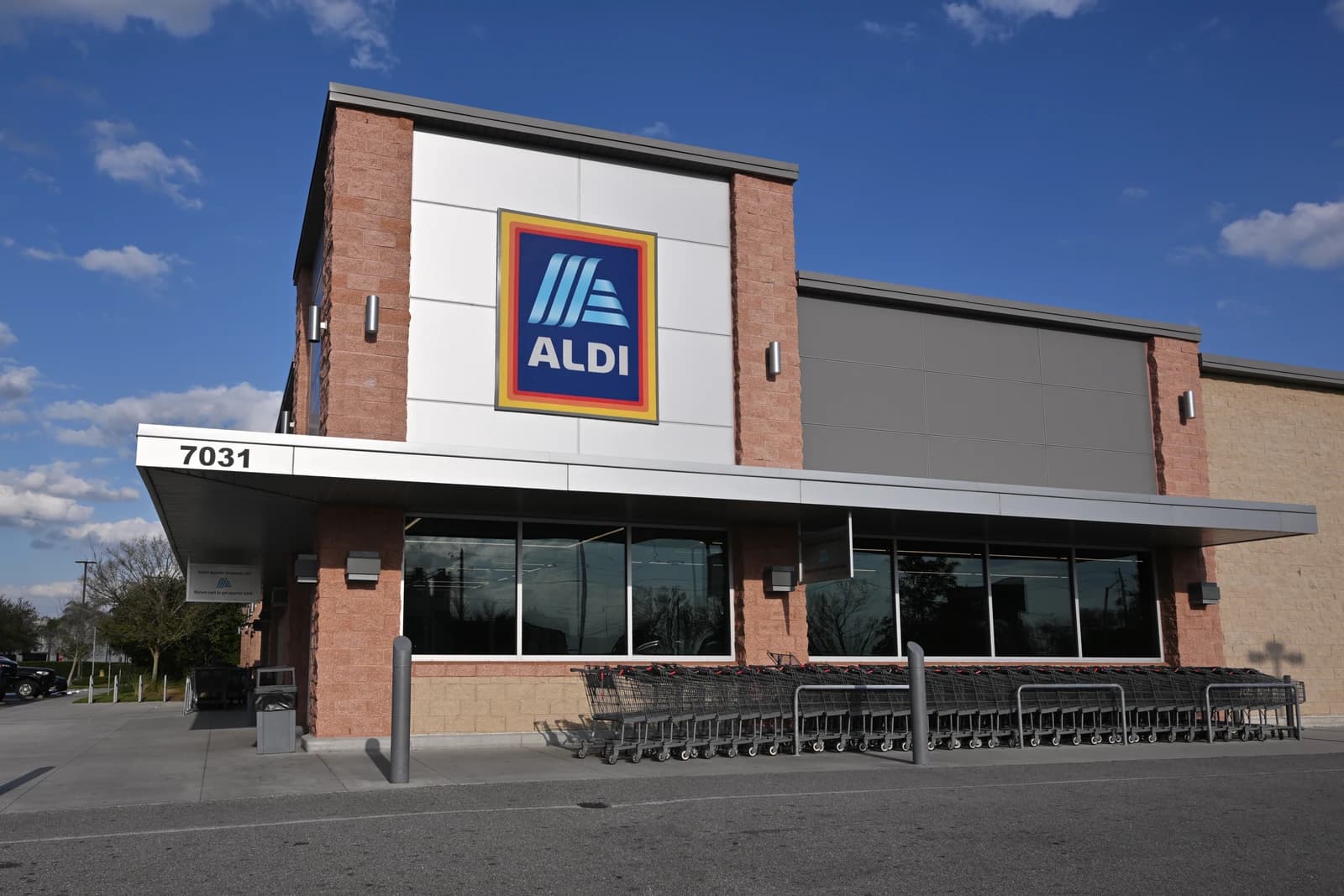
The proposal, branded KiwiMart, calls for 120 stores and two distribution centres at an estimated cost of NZ$2.8 billion, or about US$1.7 billion. The Greens say the move would challenge Woolworths and Foodstuffs, which dominate New Zealand grocery retail and have long faced criticism over pricing power.
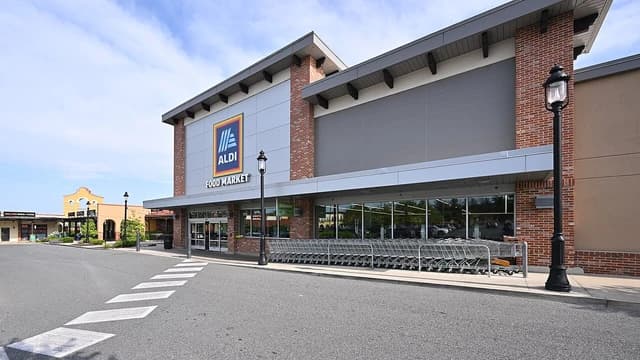
That matters because food inflation hits households quickly and leaves little room for consumers to adjust spending. Green co-leader Chlöe Swarbrick said the two incumbent chains were taking about a million dollars a day in “excess profit” from shoppers, underscoring the party’s argument that structural competition, not just temporary price relief, is needed to ease pressure on family budgets.
The plan sits inside the Greens’ broader Affordable Kai platform, which also includes banning price gouging in supermarkets and spending NZ$150 million a year on community food-security initiatives and food grants. The party is pitching the policy as a response to stubborn grocery costs that have become a live political issue ahead of the next election cycle.
For investors, the proposal matters less as an immediate earnings threat than as a reminder that grocery retail is under growing political scrutiny in New Zealand and other markets where concentrated food distribution can draw regulatory intervention. Any move toward new competition, price controls or forced market restructuring would be most relevant for the incumbent operators and their suppliers, while potentially squeezing margins in a business already built on thin returns and scale advantages.
The challenge for the Greens is whether a new chain could realistically win shelf space, logistics efficiency and customer trust fast enough to dent the incumbents’ dominance. The debate now shifts to funding, execution and whether voters view a publicly engineered competitor as a practical answer to high grocery bills.
| Entity | Gains | Losses |
|---|---|---|
| New Zealand shoppers | ▲Lower grocery prices | ▼Higher taxes/public costs if plan is funded |
| Greens / KiwiMart proposal | ▲Political momentum | ▼Execution risk, funding scrutiny |
| Woolworths and Foodstuffs | ▲Little near-term benefit | ▼Competition, pricing pressure |
| Grocery suppliers | ▲Broader retail access | ▼Margin pressure from price war |